

Creating visuals used to mean hours in Photoshop or hiring a designer. Not anymore. AI image generators have changed the game, letting anyone turn a text prompt into a polished image in seconds.
Whether you need product shots, social media graphics, or creative artwork, there is a tool out there that fits.
But with so many options available, which ones actually deliver? We tested and compared the top platforms to help you pick the right one. Here are five AI image generators that stand out in 2026.
1. Google’s NanoBanana
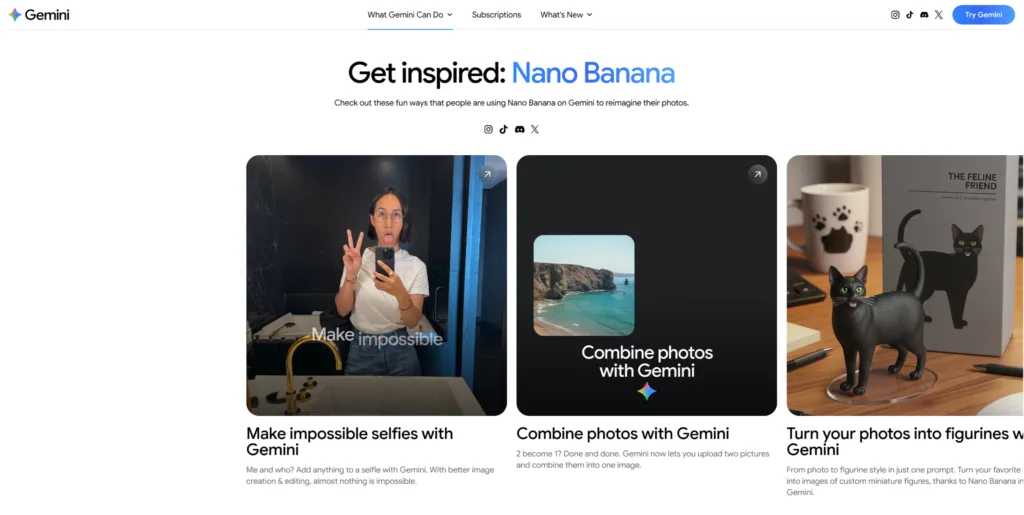
Google has been quietly building one of the most versatile image generation tools around, and things are about to get even more interesting. Their upcoming NanoBanana 3 promises a serious leap in quality and control.
What makes NanoBanana 3 exciting is how much creative flexibility it puts in your hands. Precision vibe control lets you shift the mood of an image with a simple prompt, turning a bright scene into something moody or cinematic without starting over.
Instant style transfer applies the look of a reference image to your generation in seconds, which is huge for anyone building consistent brand visuals or storyboards.
The model also handles text rendering inside images cleanly, something most AI generators still struggle with.
You can generate posters, invitations, or social graphics where the text actually looks intentional rather than garbled.
Other standout features include smart multi-size adaptation, which reformats your image for different platforms without breaking the composition, and a photo-to-figurine tool that turns real photos into collectible-style miniature visuals.
2. PicLumen AI
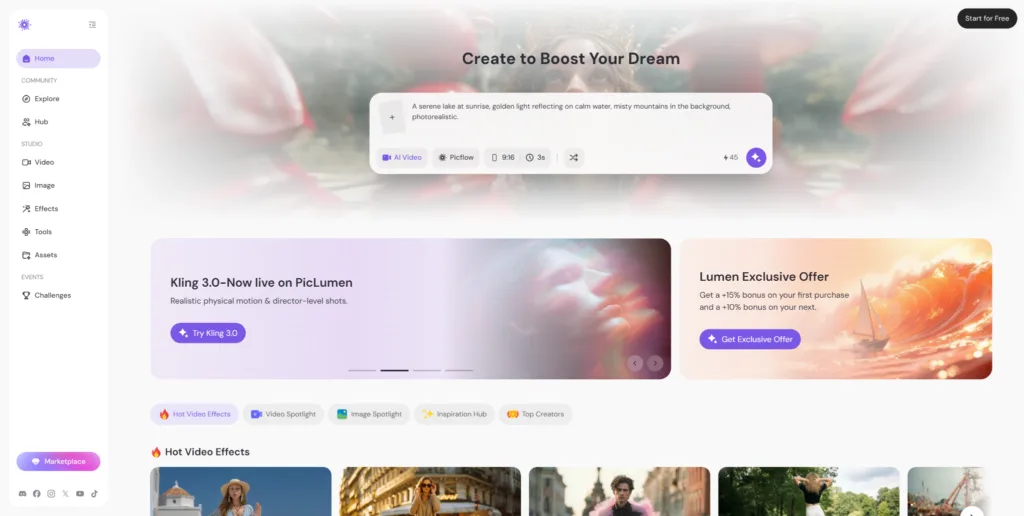
PicLumen AI takes a straightforward approach to image generation that works well for both beginners and experienced creators. The platform focuses on delivering high-resolution outputs with minimal fuss, and it does that job reliably.
One of PicLumen’s strongest points is its prompt interpretation. The model seems to understand natural language descriptions better than many competitors, so you spend less time tweaking wording and more time creating.
It supports a range of styles from photorealism to illustration, and the results tend to be consistent across different aesthetic directions. PicLumen also offers useful editing features that let you refine outputs without leaving the platform.
You can adjust specific areas of an image, swap elements, or modify lighting after generation. For creators who need fast iteration on visual concepts, this kind of post-generation control saves a lot of time.
The free tier is generous enough to get a real sense of the tool before committing, which is always appreciated.
3. Midjourney
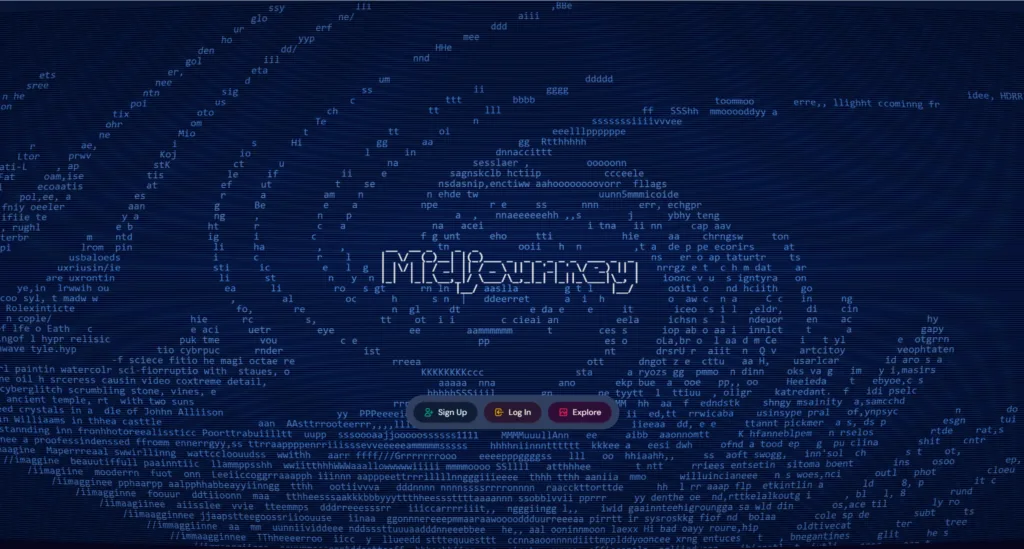
Midjourney remains one of the most popular names in AI image generation for good reason. Its artistic quality is consistently impressive, producing images with a distinctive richness in color, lighting, and composition that feels almost painterly.
The platform operates primarily through Discord, which can feel unusual at first but becomes intuitive quickly. Midjourney excels at creative and conceptual work. If you need fantasy landscapes, editorial-style portraits, or abstract art, it delivers results that often look gallery-ready.
Recent updates have improved its handling of hands, faces, and complex scenes, addressing some of the earlier criticisms. The community aspect is also a genuine advantage.
Browsing what other users create provides constant inspiration and helps you learn how to write better prompts.
For professional illustrators, concept artists, and anyone who prioritizes aesthetic quality above all else, Midjourney is hard to beat.
4. DALL-E 3
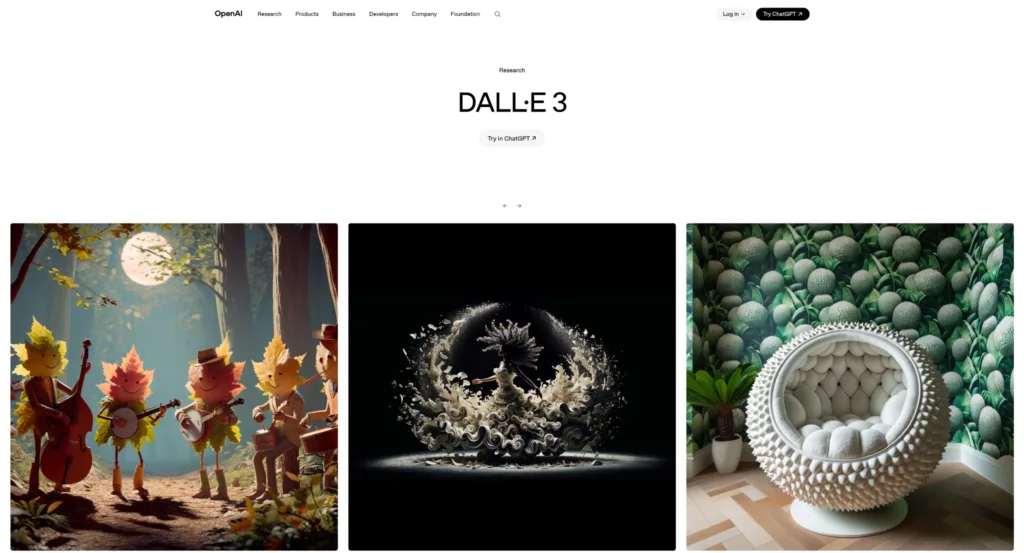
Integrated directly into ChatGPT, DALL-E 3 from OpenAI brings AI image generation to the conversational interface millions of people already use daily. That accessibility is its biggest strength.
You describe what you want in plain language, and DALL-E 3 generates it. The model is particularly good at following complex, detailed prompts accurately. If you describe a specific scene with multiple elements, spatial relationships, and particular styling, it tends to get closer to your intent than many alternatives.
It also handles text in images reasonably well and offers strong safety features that filter out problematic content.
For business users, marketers, and anyone who wants quick visuals without learning a new platform, DALL-E 3 fits naturally into existing workflows.
5. Adobe Firefly
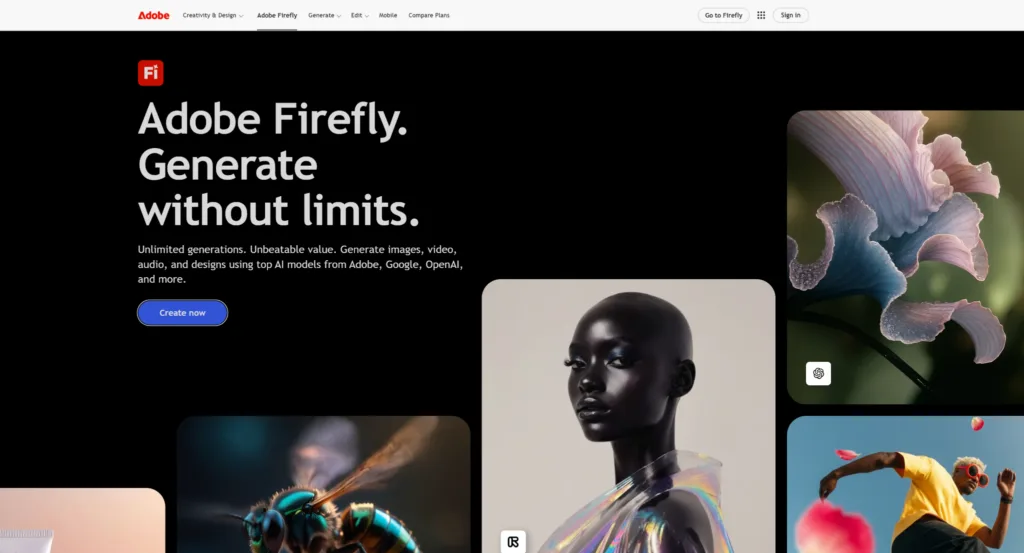
Adobe Firefly is built for professionals who already live inside the Adobe ecosystem. Its tight integration with Photoshop, Illustrator, and Express makes it a practical choice rather than just a novelty.
Firefly’s generative fill and expand features let you modify existing images intelligently, adding or removing elements while matching the original style seamlessly.
The model is trained on licensed content, which gives commercial users more confidence about copyright concerns.
Text effects, pattern generation, and template-based creation round out a feature set designed for real production work. If your workflow already involves Adobe tools, Firefly fits in without disruption.
Final Thoughts
Each of these tools has a different sweet spot. NanoBanana 3 is pushing boundaries in creative control and versatility. PicLumen keeps things simple and effective. Midjourney owns the artistic space. DALL-E 3 wins on accessibility.
Adobe Firefly serves the professional production pipeline. The best choice depends on what you actually need to create and how you prefer to work. Try a couple, see what clicks, and let the AI handle the heavy lifting.
