

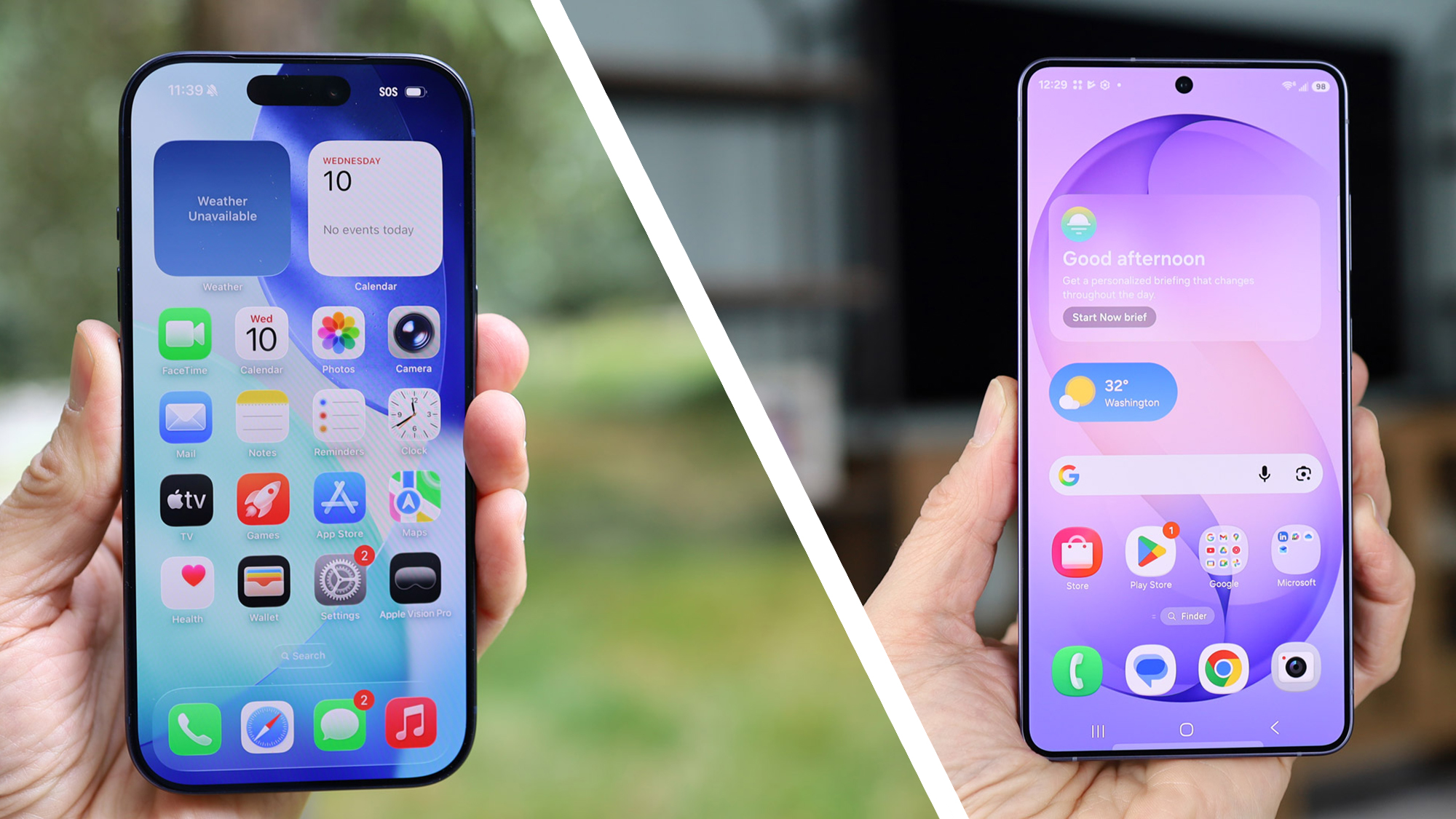
Fresh survey data from phone trade-in service SellCell (via MacRumors) suggests that iOS loyalty has hit a new high: 96.4% of iPhone owners are likely to stick with Apple handsets when they next upgrade, based on responses from over 5,000 people in the US.
That’s up from 91.9% in 2021, and means that out of every 100 iPhone users, only 3 or 4 are considering what life might be like with an Android device. It seems iOS is much loved by its users — or at least they don’t want the hassle of trying to extract themselves and their messages from iMessage.
Article continues below
Despite the lure of the best iPhones, and the increasing loyalty to the brand of iPhone users, I’m not thinking of moving away from Android — and I’ll explain why below.
For context, I do own an iPhone too — it’s part of the tech journalist job, having to write about both mobile platforms — but a Google Pixel is the phone I use day-to-day as my main device, while the Apple phone sits in a drawer until I specifically need it.
Google apps work better
For me, apps like Gmail, Google Maps, Google Docs, and Gemini are a long way ahead of their Apple Mail, Apple Maps, Apple Pages, and Siri counterparts — so it makes sense to choose a phone where these apps are most useful and most at home.
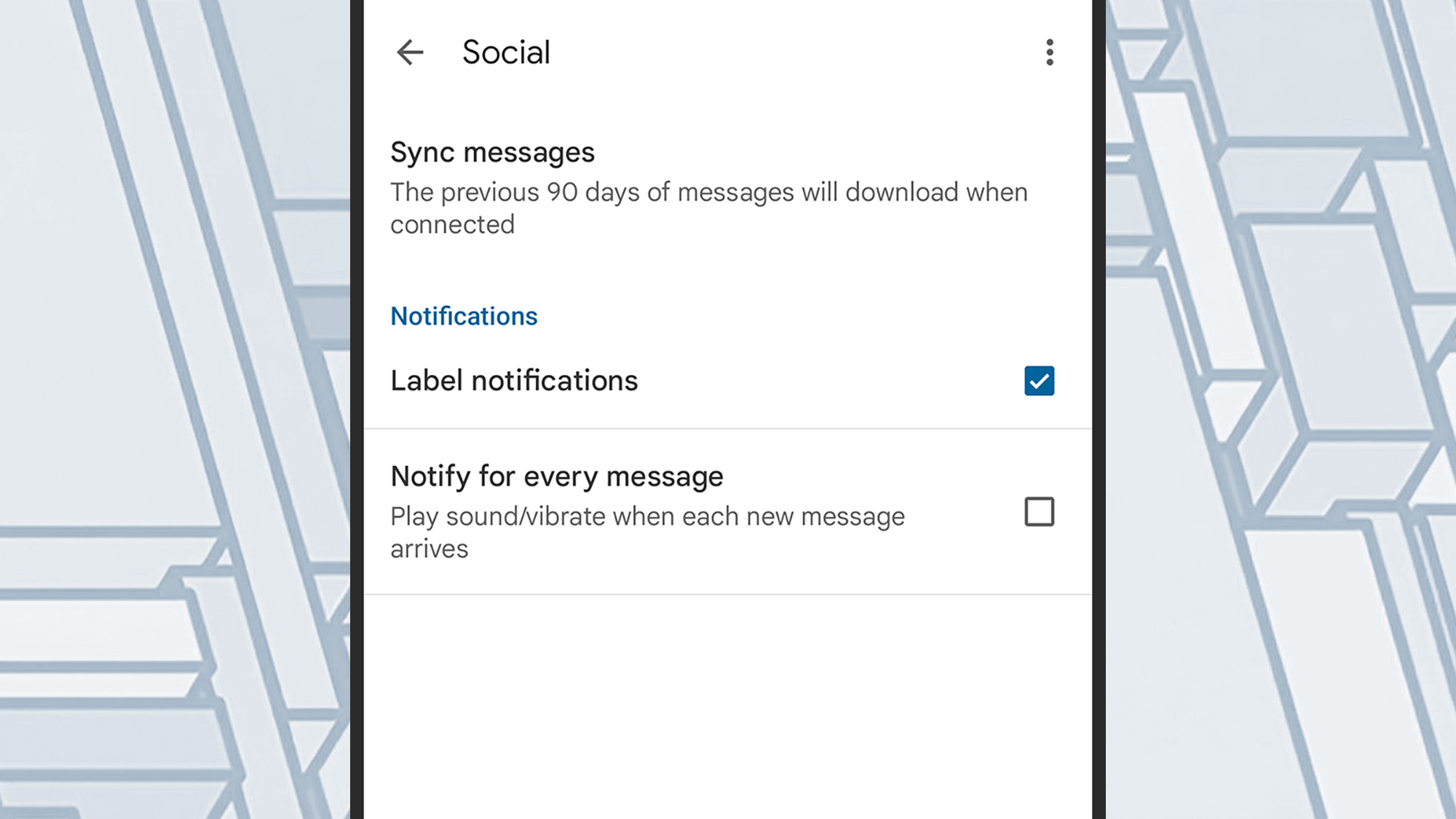
Yes, just about every Google app is available for iOS, but Apple doesn’t give them the same freedom as they have on Android. You can’t set Gemini as your default AI assistant on an iPhone, for example, or get notifications per label in Gmail like you can on Android.
Google apps are where I spend most of my mobile time, and so I want the best and most seamless Google app experience possible — which means an Android phone.
Android is more versatile
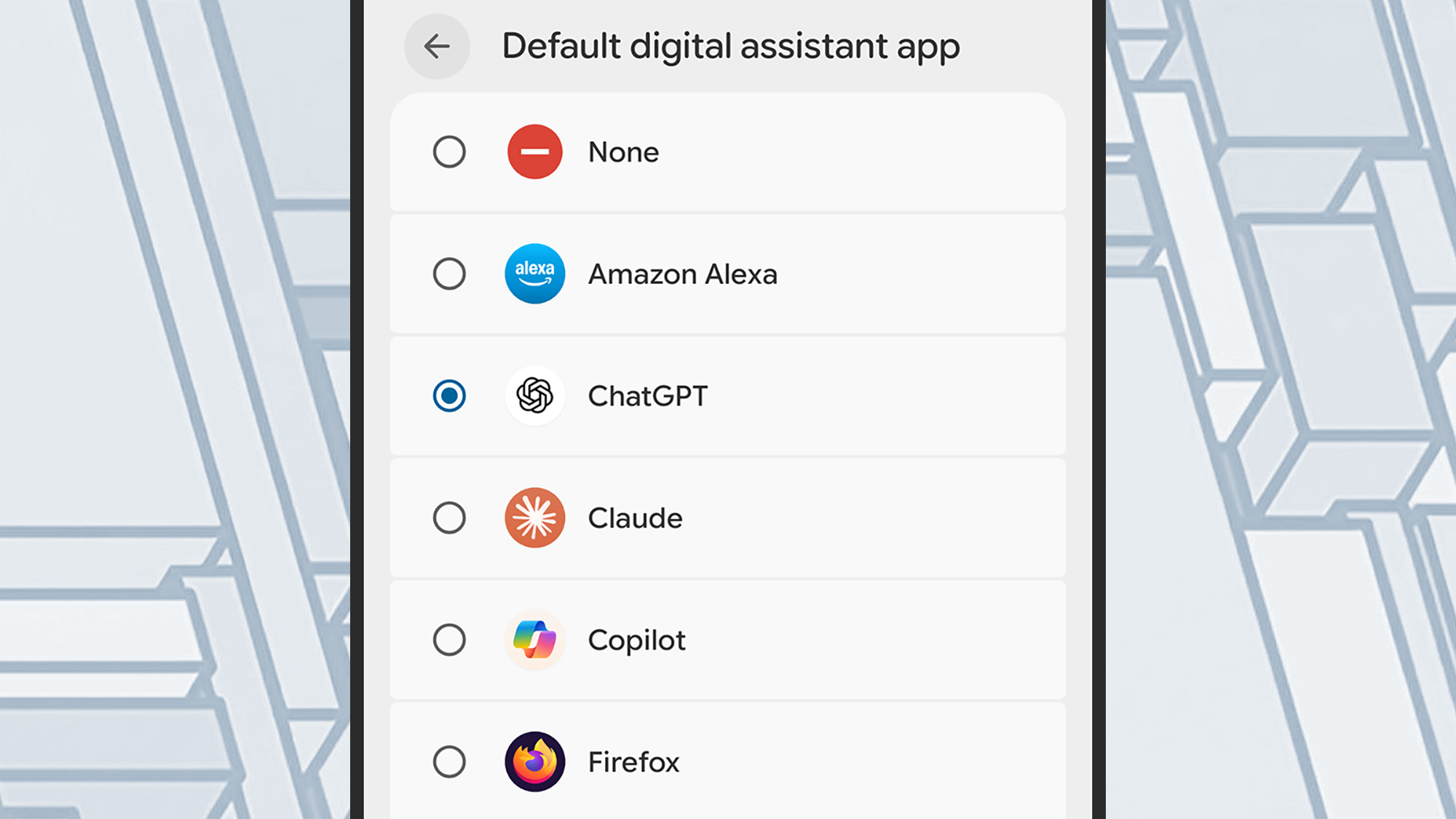
It’s fair to say Android and iOS are now closer than ever in many respects, and Apple has certainly made its mobile operating system more customizable in recent years. The gap in terms of tweaking the interface and setting default apps isn’t as big as it used to be.
However, Android remains the more versatile OS, and gives its apps significantly more freedom than Apple does: something like Tasker simply cannot exist on iOS. Android apps can plug into notifications, accessibility options, the system clipboard and other fundamental parts of the software in a much deeper way than iPhone apps can.
For example, Android lets third-party apps take over and manage SMS/RCS as your default messaging app — something you can’t do on iOS. Then there are the third-party Android launchers, which completely transform the look of the software, and which Apple is unlikely to ever allow.
If you want to be able to do more with third-party apps and customize your phone to a greater extent (which I do), then Android is the best option by a significant margin.
iPhones are walled in
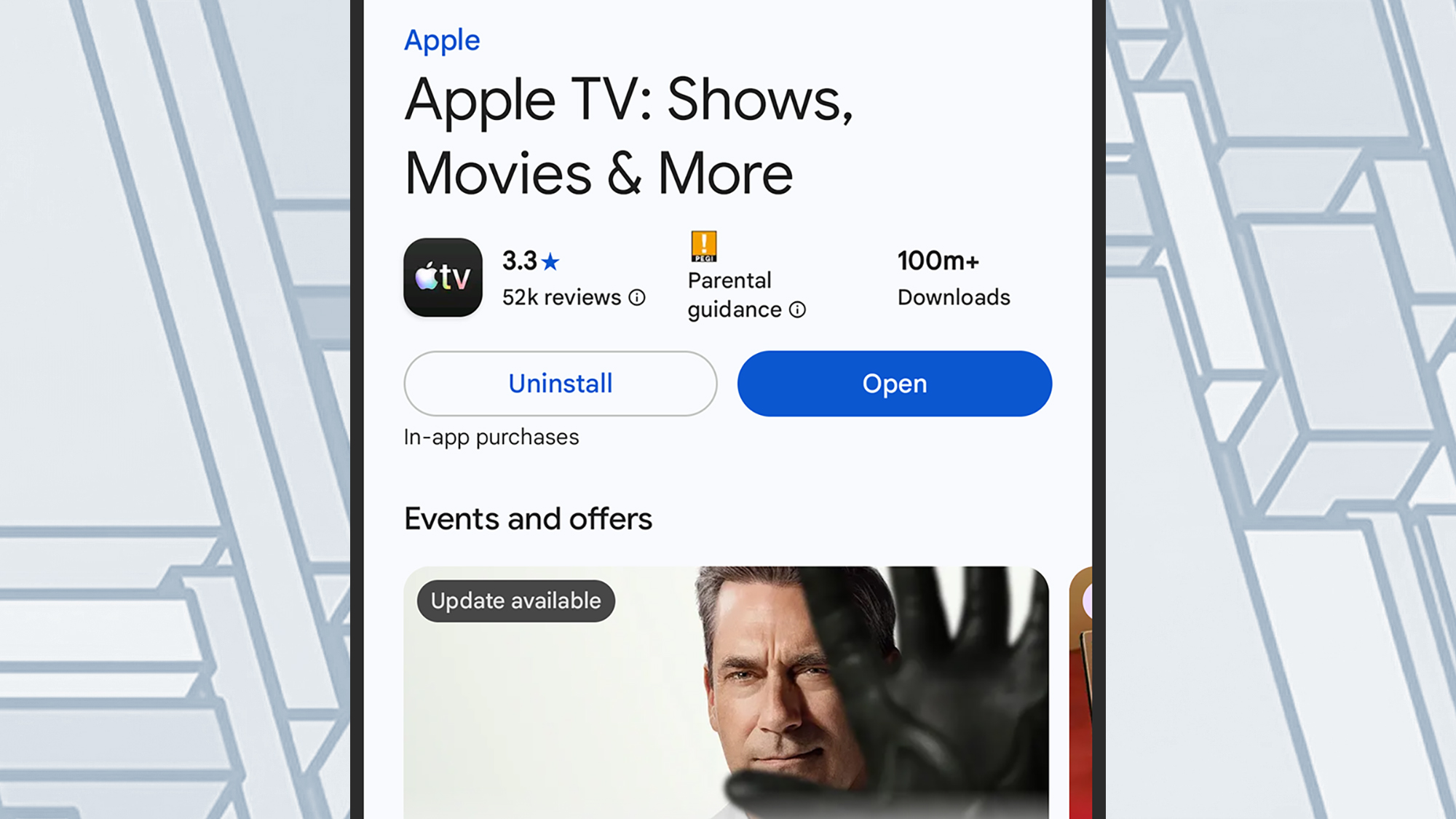
You’ve most probably heard of Apple’s walled garden, and while a few bricks have been removed in recent years — Apple TV for Android! — it’s still pretty well closed off. The iPhone and its default apps remain a bit picky when it comes to the other devices and platforms they’ll work with, and that’s a problem for me.
Let’s take photos and videos, which are a major part of the smartphone experience. Google Photos works effortlessly across Android devices, iPhones, Macs, Windows computers, and many other gadgets with screens. As someone who spends a lot of time swapping between platforms, I need to be able to take all my digital stuff with me.
Apple Photos, meanwhile, is a non-starter on Android and clunky on Windows. It uses a proprietary file system that’s a pain for third-party services like Dropbox. Like many native iOS apps, it doesn’t really play well with non-Apple devices.
For these reasons and others, I’m one of the 86.4% likely to stick with my Android phone when it’s time to upgrade again. I do quite like iOS, when I use it, and it definitely has some advantages over Android too — but in terms of what I prioritize, it’s Android all the way.
Follow TechRadar on Google News and add us as a preferred source to get our expert news, reviews, and opinion in your feeds. Make sure to click the Follow button!
And of course you can also follow TechRadar on TikTok for news, reviews, unboxings in video form, and get regular updates from us on WhatsApp too.
