

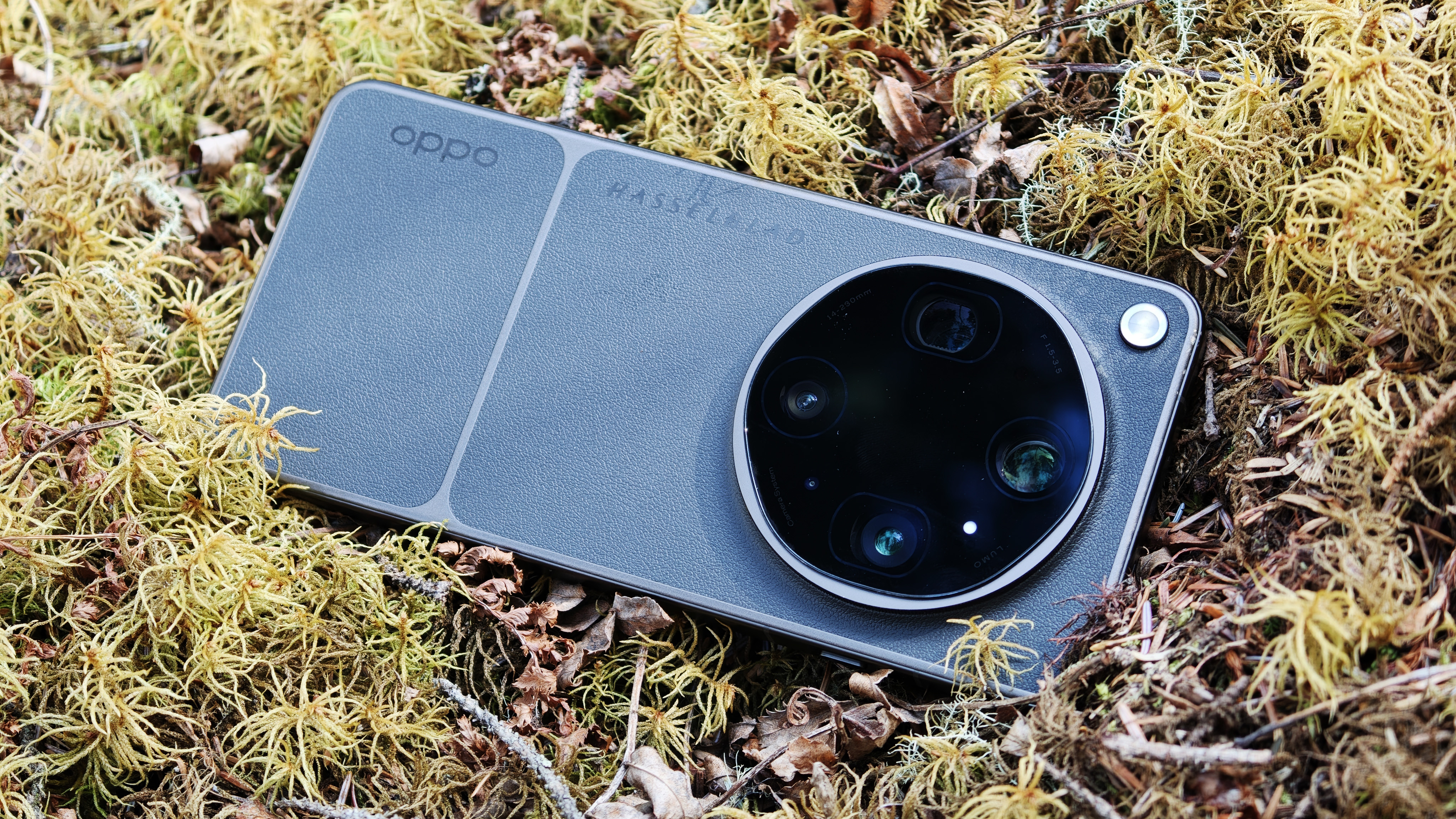
I’ve been testing the Oppo Find X9 Ultra for over a month now, focusing on its camera performance from my perspective as a professional photographer. It’s clearly one of the best camera phones money can buy, perhaps the best of any I’ve ever used — it’s certainly streets above the latest iPhone.
If you’d like to find out more about the phone as a whole – and you should, it’s a superb, globally available flagship model — check out our full Oppo Find X9 Ultra review, in which our reviewer agrees about the phone’s camera skills. If you’re particularly interested in the camera, however, stick with me here first.
Article continues below
Specs
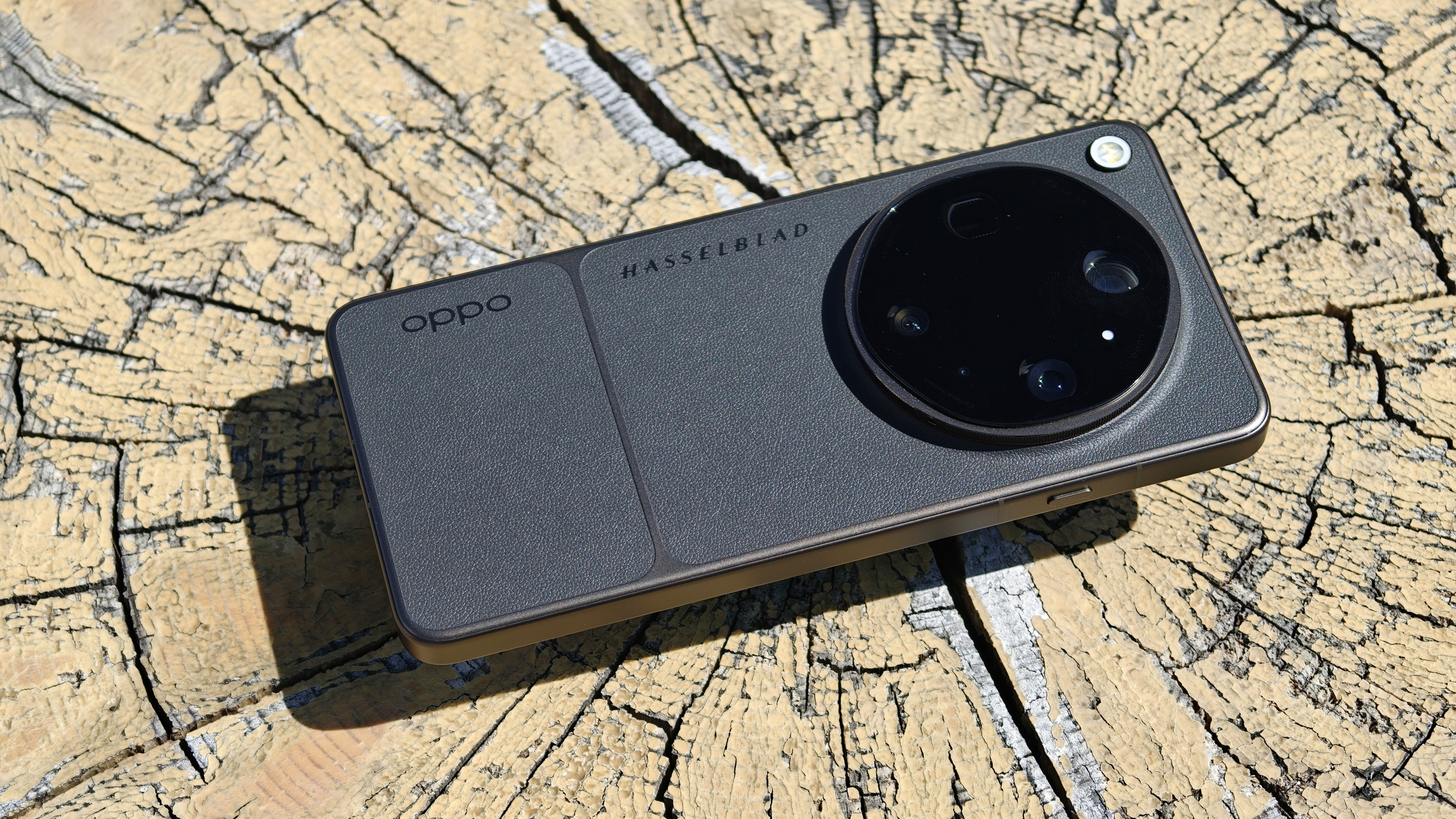
A quick introduction of the cameras squaring up in this telephoto shoot out:
The Oppo Find X9 Ultra covers 14-230mm focal lengths; a 14mm f/2 ultra-wide camera with a 1/1.95-inch sensor, a 23mm f/1.5 main camera with a 1/1.2-inch sensor, a 70mm f/2.2 3x telephoto camera with a 1/1.28-inch sensor, and a 230mm f/3.5 10x telephoto camera with 1/2.75-inch sensor (which Oppo says is 3x more sensitive to light than the Galaxy S23 Ultra’s 10x camera).
The Panasonic Lumix ZS300 is equipped with extra reach — a 15x optical zoom which covers 24-360mm focal lengths, a 1-inch sensor with 20MP stills, and basic 4K video recording. It was announced in 2026, but is effectively a relaunch of a 2018 model, the Lumix ZS200. With its compact design and versatile zoom, this is exactly the kind of camera you’d take travelling, and one that a phone like the Find X9 Ultra could, in theory, replace.
The Nikon Z8 is a flagship mirrorless camera with a 45MP full-frame sensor, and I paired it with the new 70-200mm f/2.8 S II lens. The combination costs several thousands and is firmly pro gear.
I’ve focused on the Find X9 Ultra’s 3x and 10x cameras, setting the other cameras to the closest possible focal lengths, generally opting for the maximum possible lens aperture for portraits and the optimum aperture for detail in landscapes. As such, I could record identical compositions with the phone and the Lumix camera at 70mm (the phone’s 3x camera) and 230mm (the phone’s 10x camera), but the Nikon lens’s maximum reach is 200mm, meaning it’s a little wider than the phone’s 10x camera.
NB: all the photos in this article are compressed so they can be easily viewed.
The 3x portrait lens
First up, the 3x telephoto camera. It’s effectively a 70mm focal length, with a 1/1.28-inch sensor and f/2.2 aperture. That sensor is the same size as the one in the main camera of the iPhone 17 Pro Max, but smaller than the Lumix ZS300 compact camera’s single 1-inch sensor, which supports the camera lens’s 15x optical zoom, and much, much smaller than the Nikon Z8’s full-frame sensor.
The phone’s maximum aperture at 70mm is f/2.2, versus the Lumix’s f/4.7 (the maximum aperture reduces the further you zoom in — it’s f/4.7 when the lens is set to 70mm) and the Z8’s f/2.8 aperture (constant across the entire zoom range).
Let’s take a look at pictures taken with all three cameras at 70mm:

Ok, so there are so many variables for photo comparisons in terms of what camera settings to use. To keep things as simple as possible, I’ve shot with the cameras all set to auto exposure / auto white balance and the standard color profile, and HDR switched off.
Each camera is able to shoot in RAW and JPEG (RAW gives you more scope for editing and making corrections), offers manual exposure control (the Oppo phone has a ‘Hasselblad Master’ mode, where you can also increase photo resolution up to 200MP in the 3x camera and 50MP in the 10x camera), and a host of color profiles for different looks.
My general observations, however, are that the Oppo phone leans towards a more HDR look — deep shadows are brightened (though you can manually override this with exposure compensation for a darker look). Colors in portraits tend to be a little warmer, and I rather like the look, even more so than the Lumix camera, which often has a yellow tint. There’s more natural depth to color and accuracy with the Nikon camera.
Depth of field is naturally much shallower with the Nikon camera at f/2.8 for blurrier backgrounds, however you can fake blur with the Oppo phone at the point of capture (but not in the editor, like with the Leitzphone). Without faking the effect, the depth of field is similar to that of the Lumix compact camera.
Overall, in this category, I’d rank the pro Nikon mirrorless camera and lens top, the Oppo camera second, and the Lumix third. The 3x lens is fantastic, outdoing a $1,000 travel zoom compact camera.
The 10x telephoto zoom
Previously, the Samsung Galaxy S23 Ultra was the only other flagship to offer a 10x telephoto camera. The Find X9 Ultra takes things up a notch, with a much beefier sensor and light sensitivity — Oppo wants to take the ultimate ‘concert phone’ crown.
The sensor is, however, much smaller than the one in the 3x camera and smaller still than the 1x main camera, and smaller again than the Lumix ZS300 and Nikon Z8 in turn.
Besides its maximum f/3.5 aperture being technically brighter than the f/6.2 that the Lumix ZS300’s lens closes down to when set to its own 10x zoom setting, the Find X9 Ultra is at a hardware disadvantage.
That being said, phones like the Find X9 Ultra can work some computational magic that traditional cameras like the Lumix ZS300 can’t. The Nikon Z8, with its 70-200mm lens, has a huge hardware advantage, but of course, it is a much pricier and larger system.
Let’s take a look at identical pictures:

While the 3x telephoto camera feels like it outdoes the Lumix ZS300 and does a fair job matching the mirrorless camera (at least when looking on a small display), the quality gap between its 10x zoom camera is much closer.
Again, the Find X9 Ultra does a reasonable job compared to the Lumix ZS300, but I do feel that its color is overall less accurate than the compact camera’s. Sharpness is fairly equal. What it does suffer from more than both other cameras is chromatic aberration (color fringing — especially in out-of-focus areas). Take a closer look at the snow in the background mountain in the Oppo photo above — there’s a green fringing which isn’t there with the other cameras.
In terms of its image quality, it’s a close call between the Oppo and Lumix cameras at 10x, even if the Lumix’s optical zoom has an additional reach up to 15x. Personally, I don’t often have the need to zoom in much further than 10x, but the Lumix ZS300 is a better pick for amateur wildlife photography. If I were into photographing wildlife, however, I would pick up the phone’s 300mm teleconverter accessory, which more closely matches the compact camera’s maximum reach, and which is paired with the phone’s better quality 3x camera.
The sharp quality you can get with the Nikon Z8’s 70-200mm lens at its maximum reach, together with its buttery smooth bokeh, is still in another league to the Find X9 Ultra. (Bokeh is the quality of the out-of-focus areas, and reviewers like me get pretty animated about it — typically scrutinising how blurry dappled light looks). Bokeh in the Oppo is fussier than it is in the Nikon (read: it’s less smooth). However, it’s still entirely possible to get a pleasant shallow depth of field with the phone’s 10x camera, as well as blurry backgrounds.
I actually think one of the best case scenarios for the phone’s 10x camera is macro photography. In good light, detail is typically sharp, the subject stands out, and with the long reach of the lens, you can stand a good distance away from the subject, which, in the case of insects such as butterflies, means you’re less likely to scare it away.
Verdict
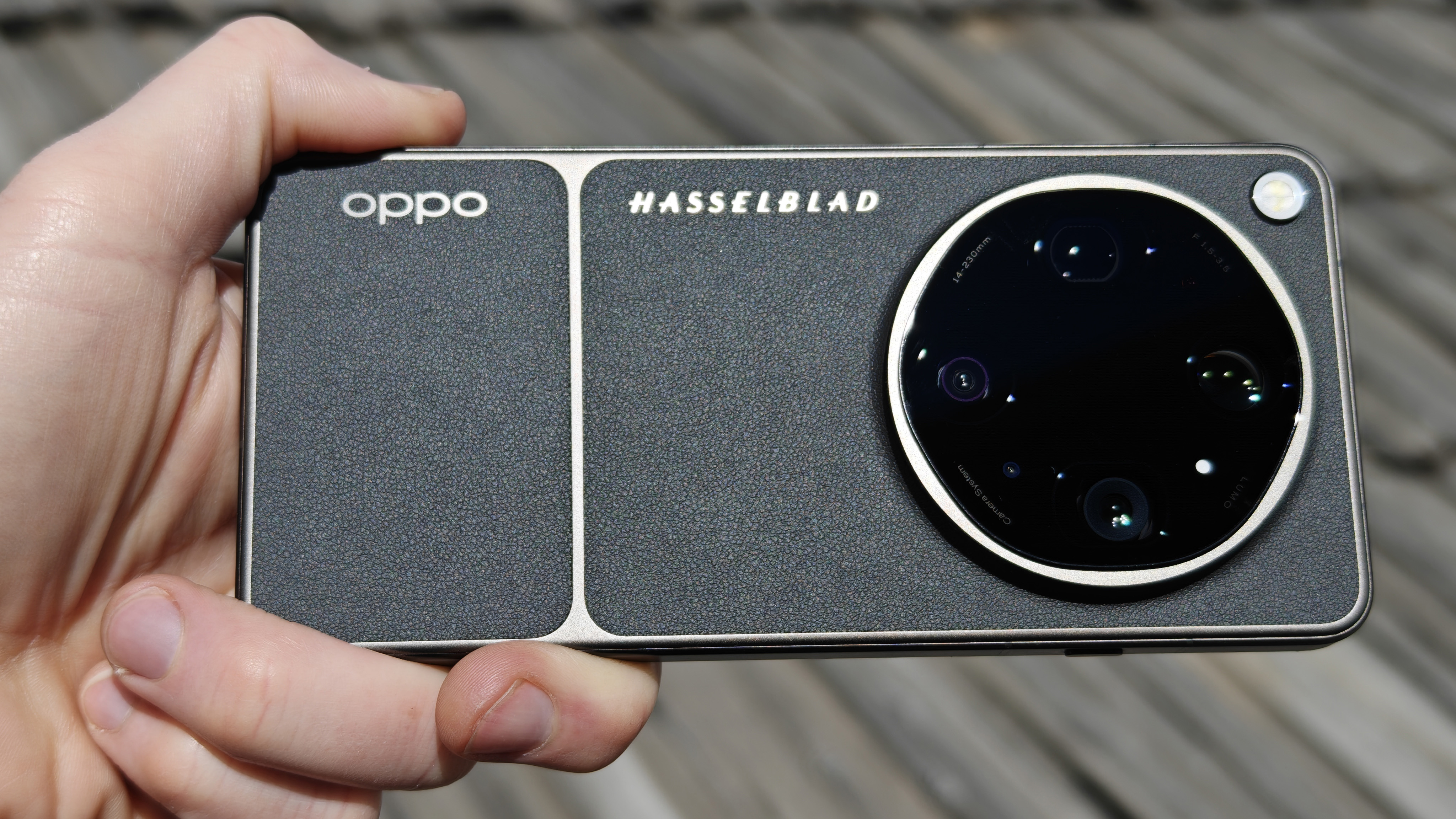
The Oppo Find X9 Ultra’s camera module is formidable, and the most versatile of any camera phone I’ve ever tested. The 1x and 3x cameras are of superb quality, while the 10x zoom is certainly the most usable of its kind.
It feels like this flagship Chinese phone renders most travel zoom compacts redundant, even if the phone itself costs much more than the Lumix camera in question, starting from £1,449 in the UK.
The telephoto lens quality of the mirrorless camera with a pro zoom lens is head and shoulders above the 10x camera of the Oppo phone. That said, you can still get great shots with the Find X9 Ultra’s 10x zoom, especially when it comes to macro photography.
In truth, it’s kind of ridiculous that I’m doing this group test in the first place, such is the rate at which camera phone tech has advanced. Put simply, the Oppo Find X9 Ultra is the king of smartphone telephoto cameras, bringing such devices into new areas of photography.

Follow TechRadar on Google News and add us as a preferred source to get our expert news, reviews, and opinion in your feeds.
