

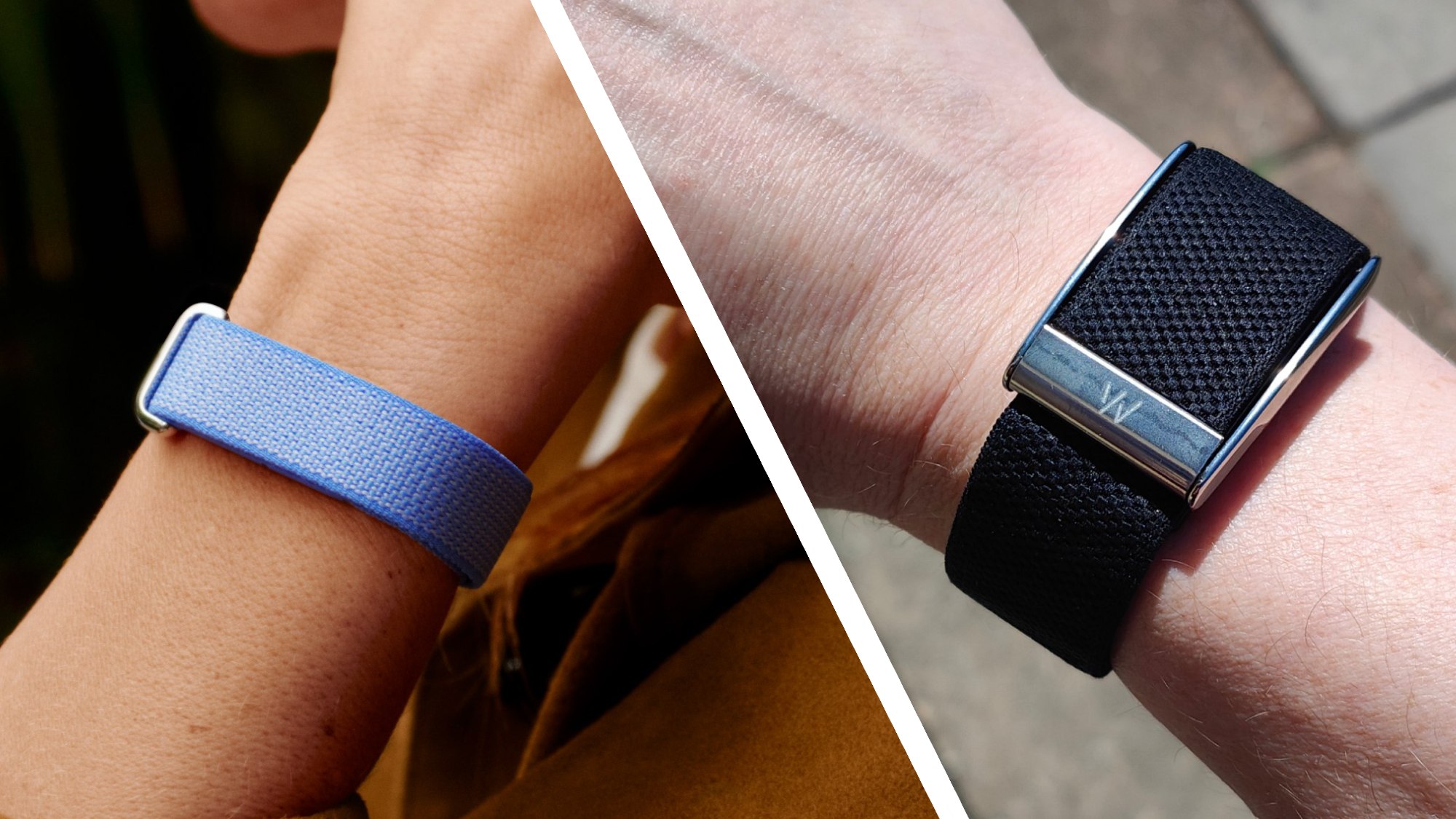
Last week, Google launched the Google Fitbit Air, its much-rumored screenless fitness tracker designed to be its entry into the set-and-forget ‘focus wearable’ market. I should say re-entry really, as the original Fitbit and Fitbit Flex bands were exactly this type of device: minimalist pucks or bands, with very limited scope for interaction, and no screens to speak of.
Right now the category of simple, screenless wearables is dominated by the likes of the best smart rings and by fitness trackers such as Whoop, which is undoubtedly the most popular of the wrist-based screenless fitness bands out there. Whoop has been in the screenless tracker game for years, and is a popular choice for serious athletes, biohackers and wellness enthusiasts alike.
Google Fitbit Air vs Whoop: Specifications
Swipe to scroll horizontally
|
Device |
Google Fitbit Air |
Whoop 5.0 |
Whoop MG |
|
Price |
$99.99 / £84.99 / AU$199 for device. Google Health Premium: $99.99 / (around £75 / AU$140) with monthly plan options. |
Whoop One membership: £169 / $199 / AU$299 per year. Whoop Peak: £229 / $239 / AU$419 per year |
Whoop Life membership: £349 / $359 / AU$629 |
|
Weight |
12g |
27g |
27g |
|
Case |
Recycled plastic |
Plastic, stainless steel |
Plastic, stainless steel |
|
Display |
None |
None |
None |
|
GPS |
None |
None |
None |
|
Battery |
Up to 7 days, 90 mins charge (5 mins fast charge for 1 day’s battery) |
Up to 14 days with power pack |
Up to 14 days with power pack |
|
Connection |
Bluetooth |
Bluetooth |
Bluetooth |
|
Water resist |
50 meters |
IP68 (10 meters) |
IP68 (10 meters) |
|
ECG |
No |
No |
Yes |
Above is a table comparing some of the specifications of the Google Fitbit Air to the Whoop 5.0 and premium Whoop MG bands. Perhaps a good place to start here is the weight, as Google states that the Fitbit Air weighs just 12 grams with a band or five grams on its own, hence the name. The Whoop devices weigh more than double that. The Fitbit is also far better for diving, as according to Google it’s water resistant up to 50 meters.
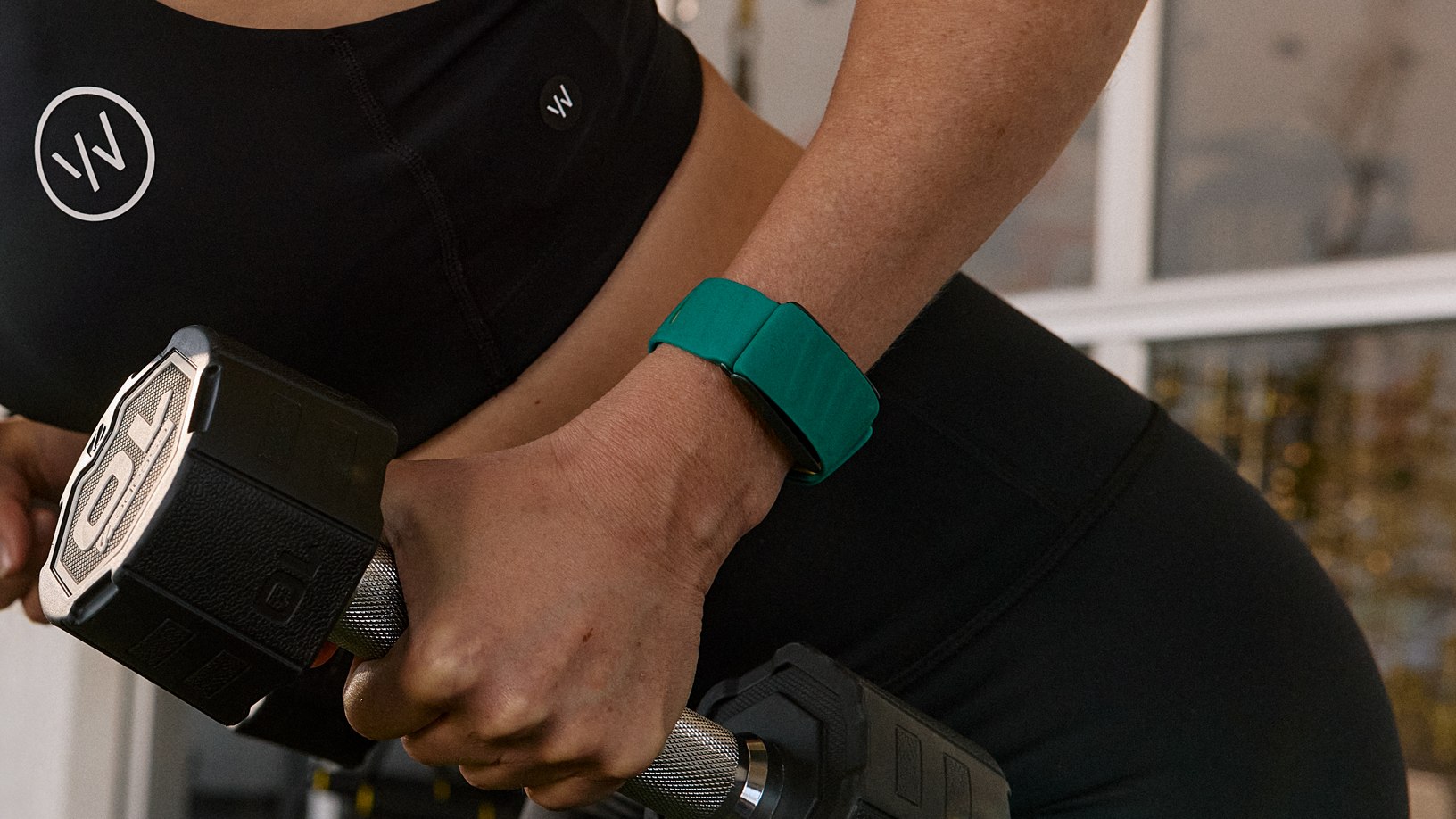
The Google Fitbit Air can last for a week, while the Whoops offer only a few days of battery life each. However, they do come with a battery pack that can slot onto the device while you wear it to charge the device, which means you can get 14 days of constant data with no need to take the device off to charge it at all. In theory, the only time you’d ever need to take your Whoop off is to change the band, should you want to.
As more expensive devices, the Whoops incorporate stainless steel into their clasps, whereas the Fitbit is all plastic.
Google Fitbit Air vs Whoop: Price & value
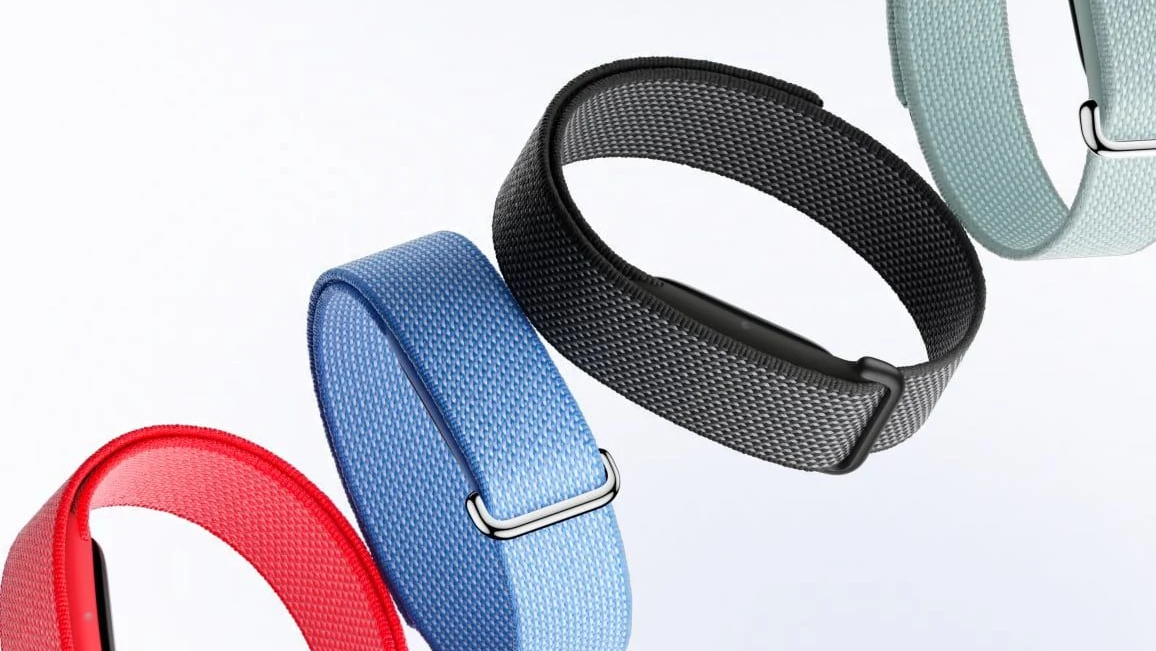
Where Google wins off the bat is that the Fitbit Air is relatively cheap — you can pre-order it now for $99.99 / £84.99 / AU$199. Even if you choose not to subscribe to Google Health Premium —Google’s fitness service, which gives you access to its comprehensive AI Health Coach feature — after the free trial included with your Fitbit Air is over, you can still log your data using the band on the Google Health app’s free tier and use it as a basic, screenless fitness tracker.
If you do choose to subscribe, you’re essentially paying for the tracker again on an annual basis in order to get all the AI features and unlock advice to help you use those metrics. There’s no doubt this is intended to be a core feature rather than an optional extra, but you do have the option not to subscribe. You could also pay monthly, but you end up paying around $20 US dollars more per year than an annual subscription (international pricing is TBC).
Whoop, on the other hand, requires a subscription to work at all, starting at a fairly reasonable £169 / $199 / AU$299 per year for the base Whoop One subscription, which comes with the Whoop 5.0 device but locks metrics like Stress and Whoop Age behind a paywall.
You get those (along with a nicer Whoop MG band and a wireless charger puck) with a Whoop Peak membership, which costs £229 / $239 / AU$419 per year. Then at the highest level you get the Whoop Life subscription plan, at £349 / $359 / AU$629 per year, which comes with the Whoop MG band and heart health features.
There’s no doubt about it: over time, the Whoop will be pricier than the Google Fitbit Air by a significant margin. While the Google Fitbit Air is the cheaper option of the two, the breadth of the AI Coach’s features might make it a better value prospect too, unless you want specific features like Whoop’s Stress score, workout builder or the MG’s electrocardiogram (ECG) functionality.
Google Fitbit Air vs Whoop: Features
The Fitbit Air, Whoop 5.0 and Whoop MG all pack PPG LED heart rate sensors, and all the best smartwatch features such as heart rate, step counting, calorie burn estimation, skin temperature and blood oxygen monitoring. I haven’t tested the accuracy of Fitbit’s sensor yet.
The key difference between the two Whoops, however, is that the Whoop MG has an advanced ‘Heart Screener’ sensor functionality which can be used for ECG scans, which can aid in detecting atrial fibrillation or irregular heart rate. According to Whoop, it “meets and exceeds clinical-accuracy standards”.
The Fitbit Air doesn’t have this functionality, but the Fitbit Charge 6 does — so if you’re looking to keep an eye on your heart health, you’ll need to opt for the Charge series or a more expensive Whoop MG.
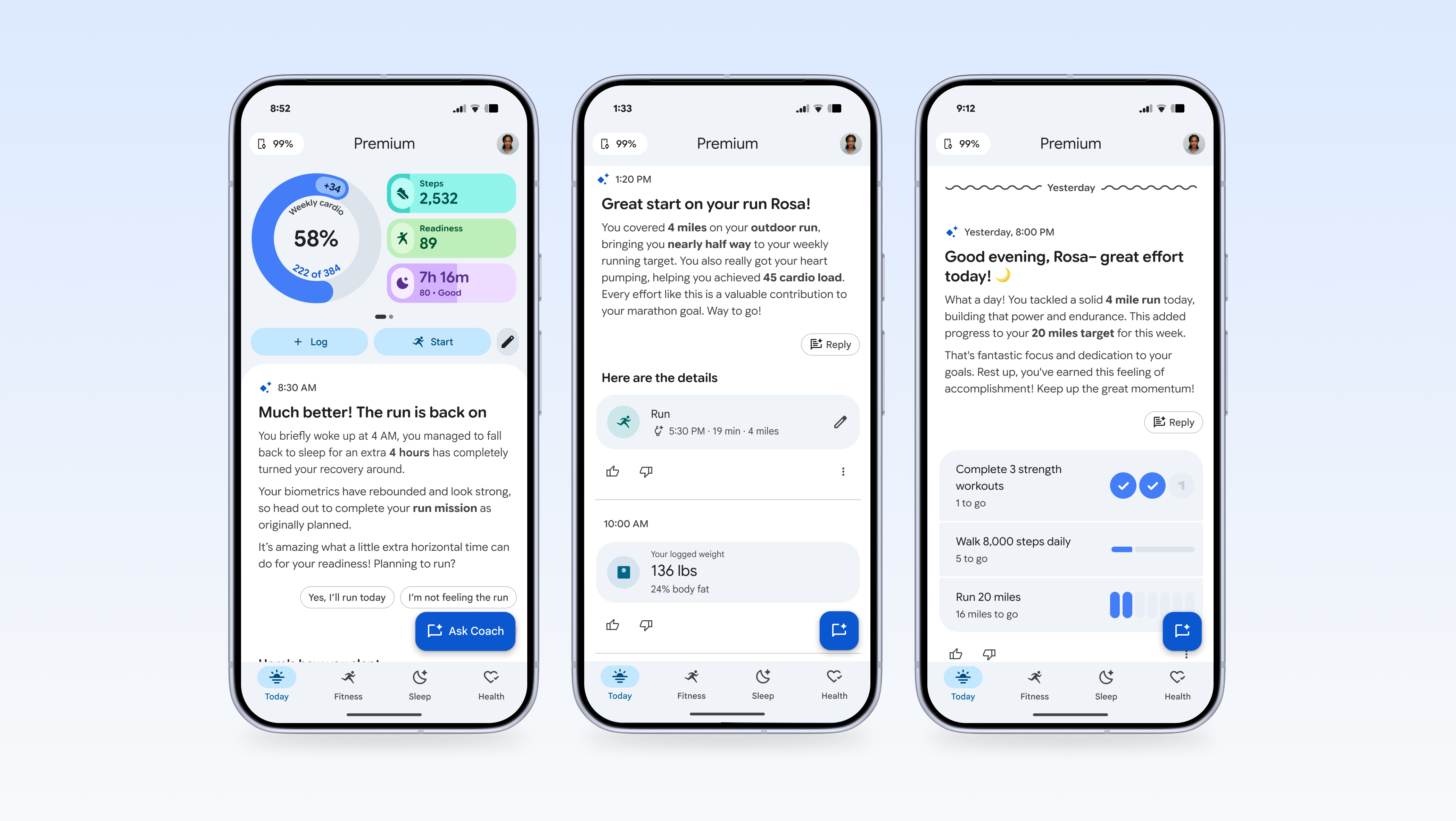
The Google Fitbit Air’s feature set includes a lot of the same stuff from the Fitbit app, including historic graphs of your movement and sleep data along with a Daily Readiness score, but many of the actionable insights are locked behind the Google Health Coach, the AI coaching service that comes with a Google Health Premium subscription. The Coach shows you demonstrations for different exercises, advises you on how to get better sleep, can generate meal and exercise plans, and can incorporate medical records.
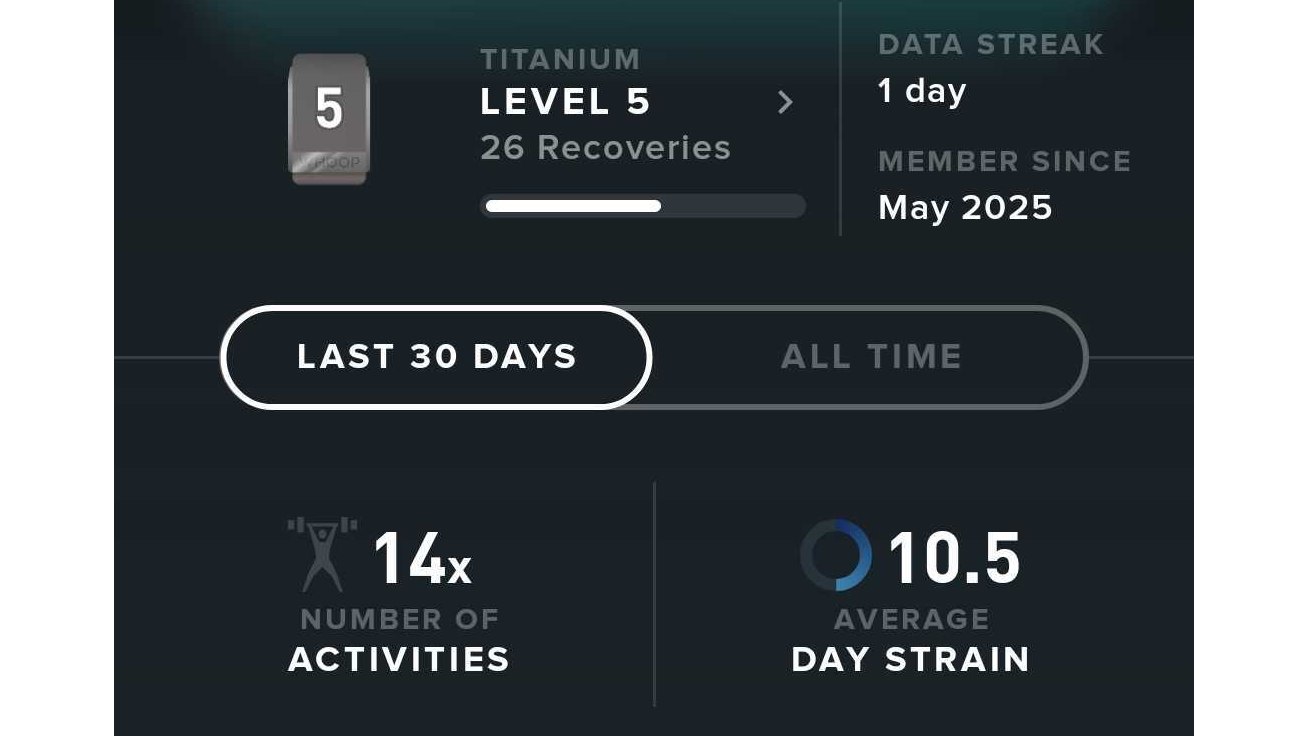
Whoop also has an extensive laundry list of features to rival this. In terms of the amount of features on offer, it exceeds Google’s, with all manner of scores for metrics like strain, recovery, sleep (along with actionable insights on how to reduce sleep need), Whoop Age (your body’s biological age, only accessible if you subscribe to the mid-tier Peak subscription or the Life subscription), Cardiovascular Age, and lots more.
Whoop’s AI coach offers useful, actionable insights too, and its workout builder is based on a comprehensive library of fitness moves that also includes demonstrations. While Google allows you to upload your medical records to the app, serious biohackers can send away for blood tests in the US via the Whoop app, to get results for biomarkers such as hormone levels and vitamin deficiencies that Whoop’s AI can incorporate. New features are rolling out that will also allow you to contact licensed clinicians through the app.
However, despite Whoop having a longer list of features, I’m looking forward to spending time with Google’s health-focused LLM Coach to identify the breadth of its capabilities. I’m willing to bet that the flexibility of the Coach service, together with the ability to feed it your data, will make it an excellent value proposition.
Early verdict
The Google Fitbit Air is a fairly cheap tracker that looks like a great-value proposition for those who don’t want to shell out for a pricey Whoop subscription, especially as over time, it looks like the expense of a Whoop will only increase when compared to the Fitbit’s cheaper subscription and one-time purchase. As a consumer, you also have the choice of whether to subscribe to the AI coach or just use the device as a tracker.
The Whoop devices do have some innovations that Fitbit doesn’t have, such as that innovative charger, the metallic physical elements and a more comprehensive feature set, but during testing I’ll be specifically testing the breadth of the Fitbit’s AI coach, trying to see if it can replicate some of the Whoop bands’ best features.
