CES 2026 has officially come to a close and it’s been another mammoth year for TVs. The real talk of the town has been RGB TVs, known as RGB mini-LED, Micro RGB or RGB mini depending on which brand you’re speaking to. There’s also been plenty of OLED upgrades, super sized screens and even some additions to the world of gallery and lifestyle TVs.
Some of TV’s biggest hitters were at CES this year and nearly all of them have adopted RGB TVs into their repertoire for 2026. Elsewhere, LG and Samsung announced brighter OLEDs with some new AI-based OS upgrades, Hisense introduced the world to RGB Evo and RGBY MicroLED, and TCL showed off its new SQD (Super Quantum Dot) mini-LED X11L TV. There’s even more to talk about, but I’ll get into it below.
As TechRadar’s TV reviewer, I’m lucky enough to test the best TVs each year and there were more than a few models announced at CES, including some from the list above, that joined my testing wishlist. Now, these aren’t necessarily TechRadar’s best TVs of CES 2026, just my personal list of most anticipated sets I’m hoping to get my hands on throughout 2026. Of course, I’d love to test everything, but the models below are my top picks
LG C6H
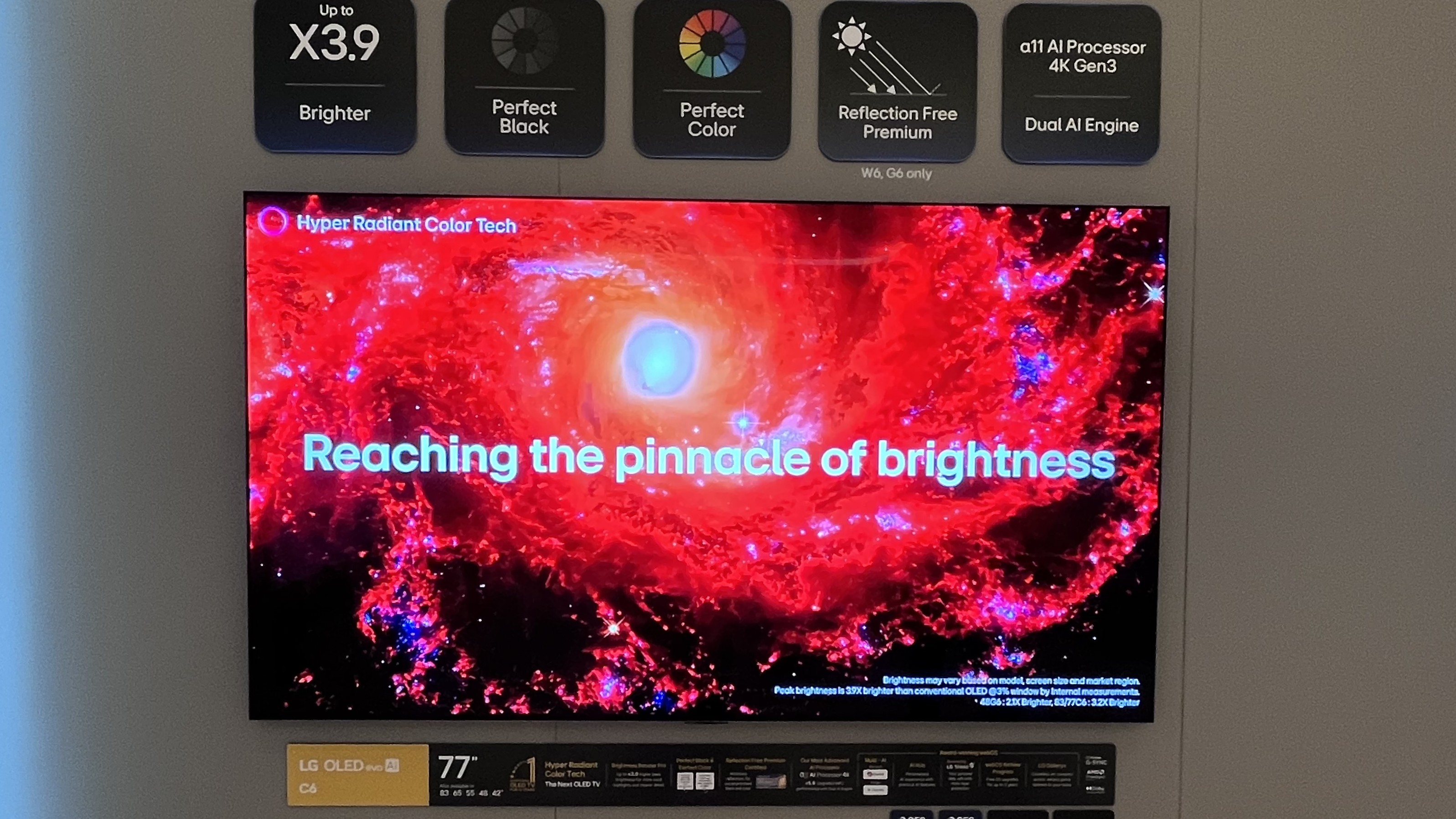
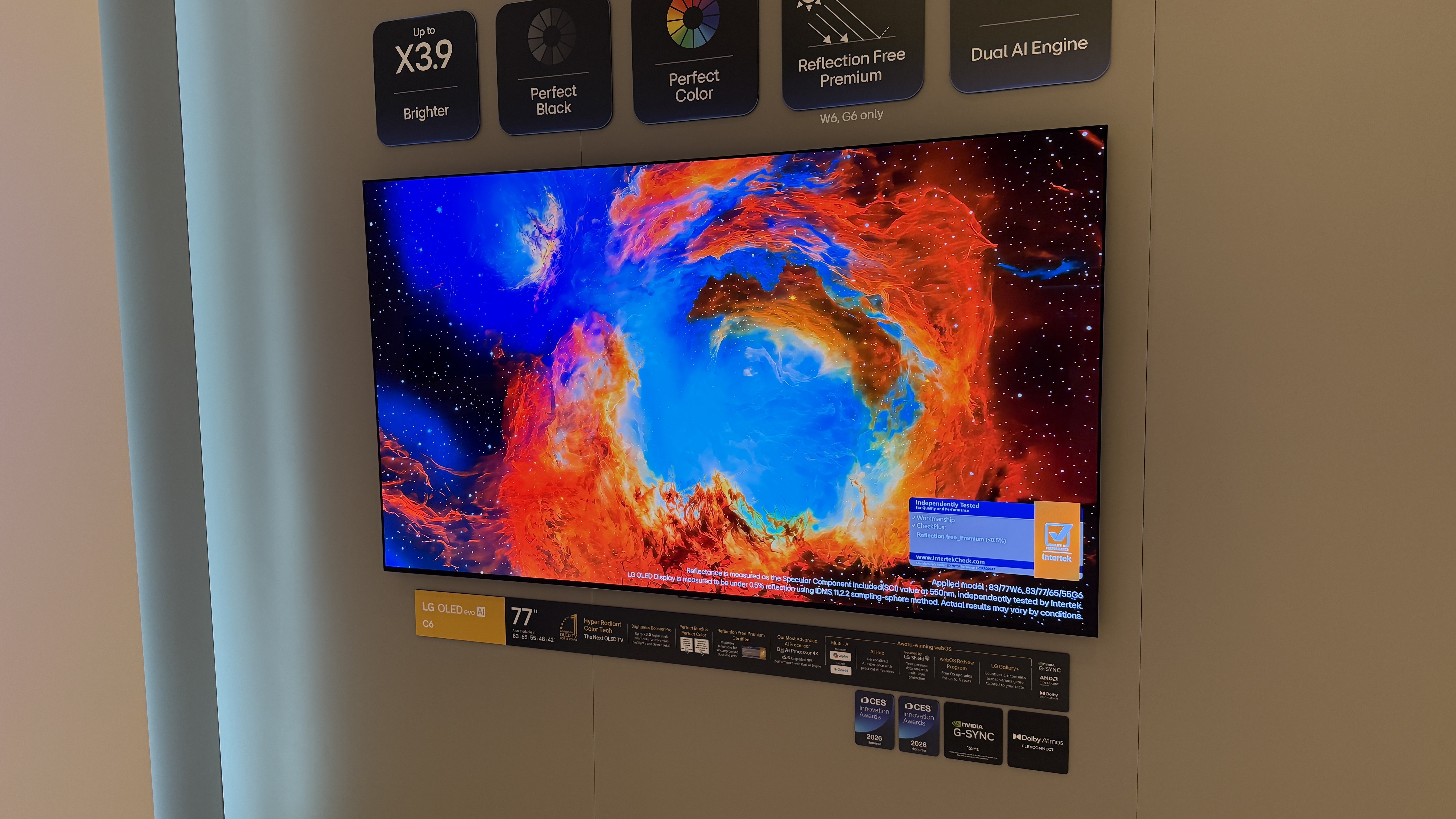
Probably one of the most surprising announcements of CES was that LG was splitting its LG C-series into two. The LG C6 will use a standard W-OLED panel (or what LG now just calls Tandem WOLED) and will be in 42, 48, 55 and 65-inch sizes. This will be the closest model to last year’s LG C5, one of the best OLED TVs of 2025.
The other C-series model will be the LG C6H. It will use a Tandem OLED panel – a more advanced OLED panel that promises higher brightness, stronger contrast and bolder color. In fact, it’s the same Tandem OLED panel that will be used in the flagship LG G6!
While the C6H will only come in 77 and 83-inch sizes, which dampened my excitement somewhat, it’s nonetheless a great development for the C-series. It’s been due a panel upgrade for a number of years and this is a step in the right direction. Hopefully, the C6H will live up to the hype.
Samsung S90H
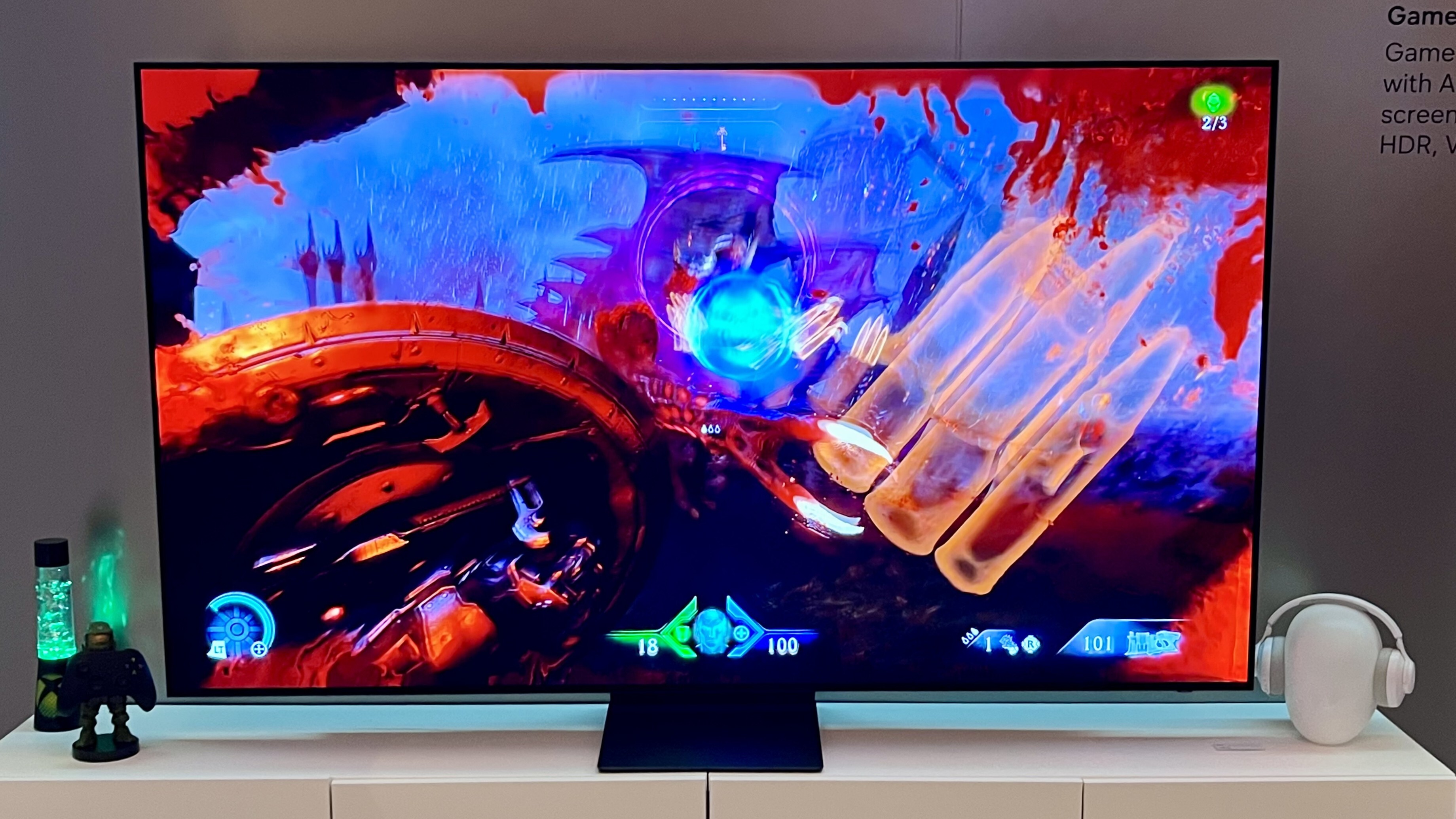
A rival to the LG C6, the Samsung S90H is Samsung’s mid-range OLED for 2026. The big news here is the S90H will come with Samsung’s OLED Glare Free anti-reflection screen, a matt screen that is effective at reducing mirror-like screen reflections. This was previously reserved for flagship OLEDs such as last year’s Samsung S95F, and then introduced to flagship Neo QLEDs such as the Samsung QN90F.
One of my frustrations with LG’s C-series is how reflective it is. Introducing an anti-reflection screen into the mid-range OLED market makes the S90H a viable alternative for people with a bright room. I found that Glare Free was improved in 2025 to maintain better black on the S95F, so hopefully it’s the same story for 2026.
I actually picked the S90H over the C6H as my more anticipated mid-range OLED, due to the S90H’s matte screen and the C6H’s limited screen sizes. I’m hopeful that the S90H isn’t subject to the same panel lottery as the S90F – which was the reason why we only tested the 65-inch S90F. If it isn’t, the S90H could be a really exciting TV for 2026.
Hisense UR9 and UR8 RGB mini-LED
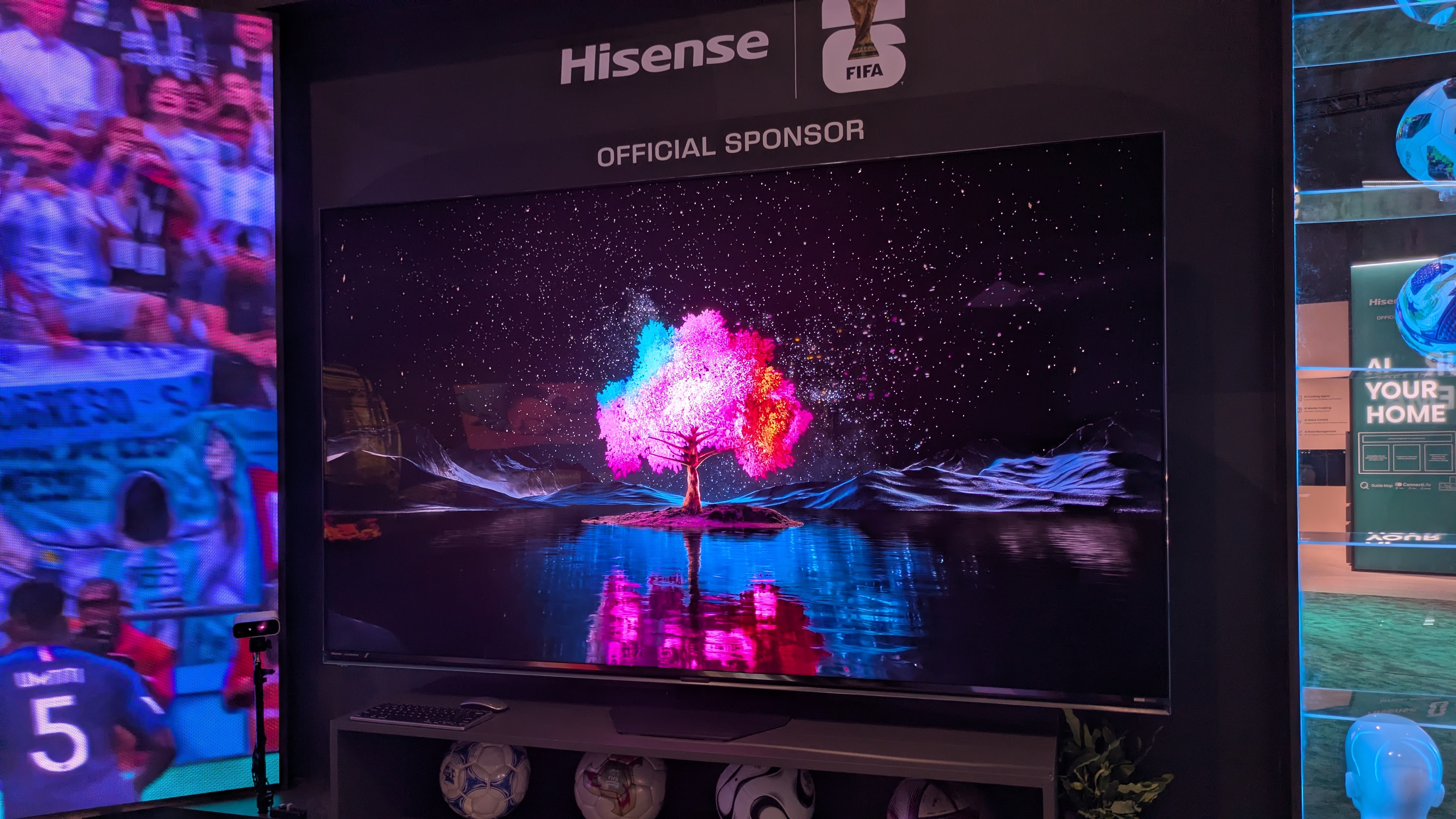
When I tested the Hisense 116UX RGB mini-LED last year, I was impressed by its vibrant colors, excellent detail and high brightness. Contrast and black were also solid, but there were some screen uniformity issues. I was excited to see an advance for mini-LED, but 116-inch is not a realistic size for most people, so I hoped to see it come to smaller screens over the next couple of years.
Imagine my surprise when Hisense announced at IFA 2025 that RGB would come to 85-inch screens at the very least and then revealed at CES 2026 that RGB would be coming to screens as small as 55-inch! It’s unclear what sort of brightness or contrast we can truly expect from the smaller RGB mini-LED screens, but I’ll be eager to test them.
While no pricing has been announced, Hisense did say its prices would be competitive with other brands’ RGB TVs – though no other brand has announced pricing yet either. Here’s hoping it competes with OLED, its main rival.
Samsung Micro RGB TVs
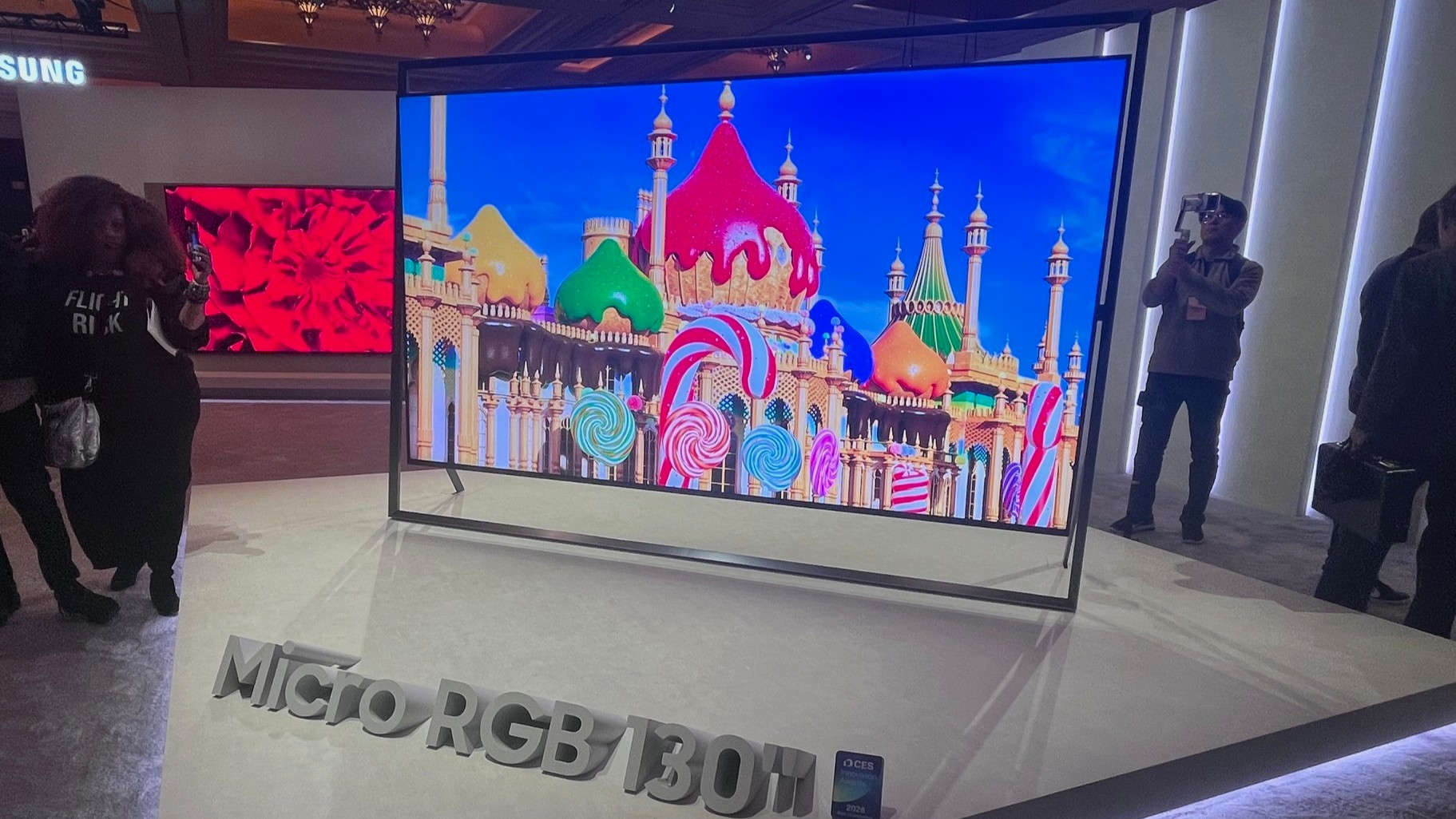
Don’t be fooled by the different name: Micro RGB is RGB mini-LED. This is Samsung’s name for the new panel tech, which has also been adopted by LG for its own RGB TV. What’s interesting is that Samsung is also bringing Micro RGB to screens as small as 55-inch. So, there’s already competition for 2026.
I actually saw Samsung’s 115-inch Micro RGB TV in action last year. It was next to an unnamed RGB mini-LED TV (which had to be the Hisense 116UX as it was the only other RGB TV available). Samsung’s colors were more vibrant and bold, but the Hisense felt more natural and true-to-life. The Samsung also demonstrated strong contrast, better shadow detail and blacks.
I expect Samsung’s Micro RGB TVs will be pricier than Hisense’s RGB mini-LED sets, but it’ll be interesting to see if the price upgrade is worth it. Hisense’s conventional mini-LEDs, such as the Hisense U8QG, have really caught up to Samsung in recent years. Will that carry over to RGB?
LG G6 and Samsung S95H
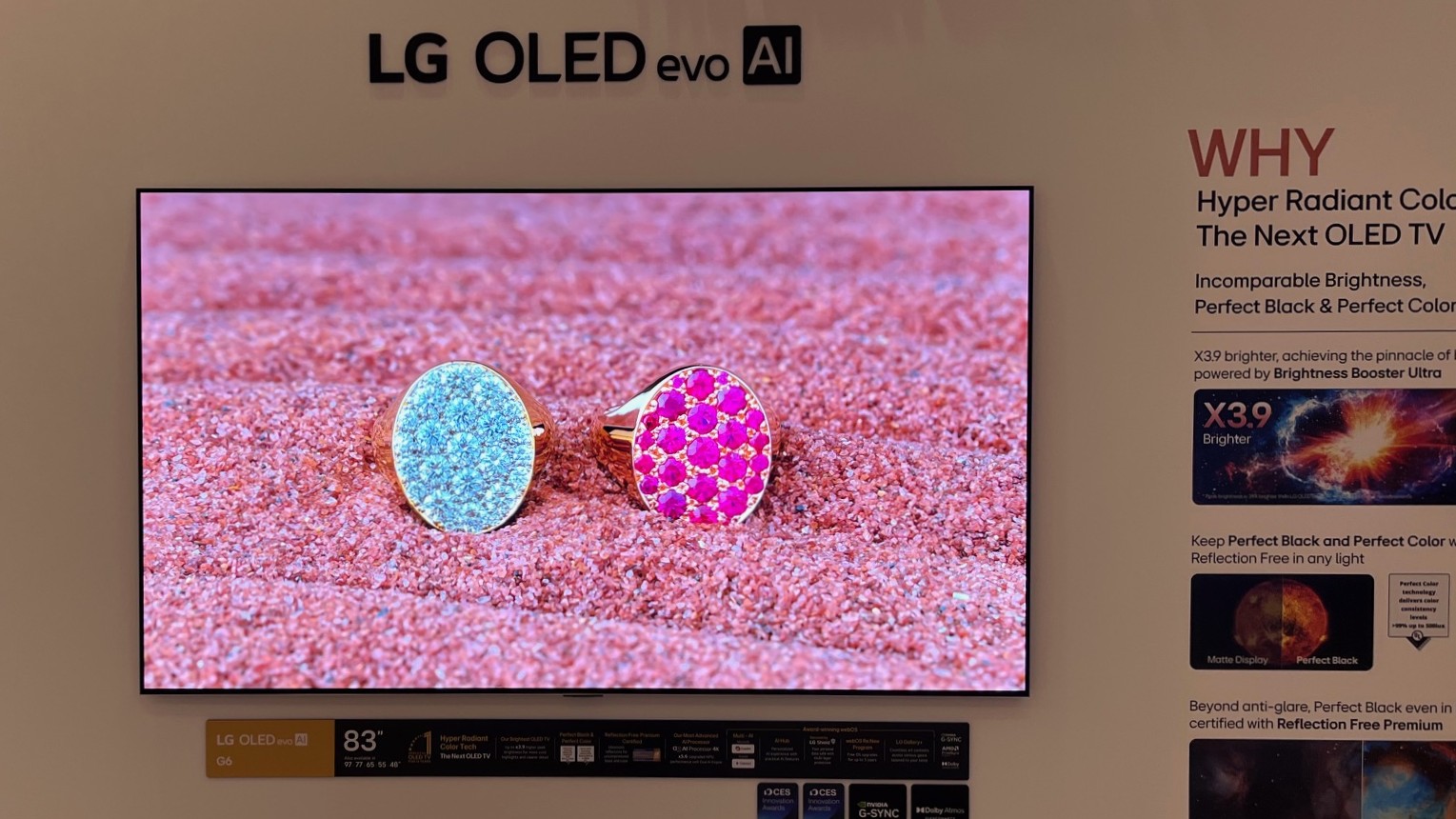
OK, so this one’s a bit of a cheat. Both LG and Samsung’s flagship 2026 OLEDs are boasting higher brightness, faster processing with new AI enhancements, and design changes for 2026. So it’s tough to choose between them.
The LG G6 is said to be 20% brighter than last year’s LG G5 thanks to Brightness Booster Ultra, and it comes with the new Primary RGB Tandem OLED 2.0 panel, which LG says will improve picture quality over the 1.0 Tandem panel in the G5. It also will have reduced screen reflections compared to the G5, and boasts a full suite of gaming features including a new motion boost that means games can be played at 1080p 330Hz on PC.
The Samsung S95H’s changes are more cosmetic. Samsung says it will be 35% brighter than last year’s Samsung S95F, but the big update here is the new metal frame and the removal of the One Connect Box (the external connections box that housed ports for other devices). The ports are back on the rear of the TV, but Samsung says you can optionally add the Wireless One Connect Box, which would give you up to eight HDMI ports in total.
Both these TVs sound superb, but really neither of them were as headline-grabbing as their mid-range counterparts, the C6 and S90H. But, as the brightness battle continues, I’m still keen to test both models.