

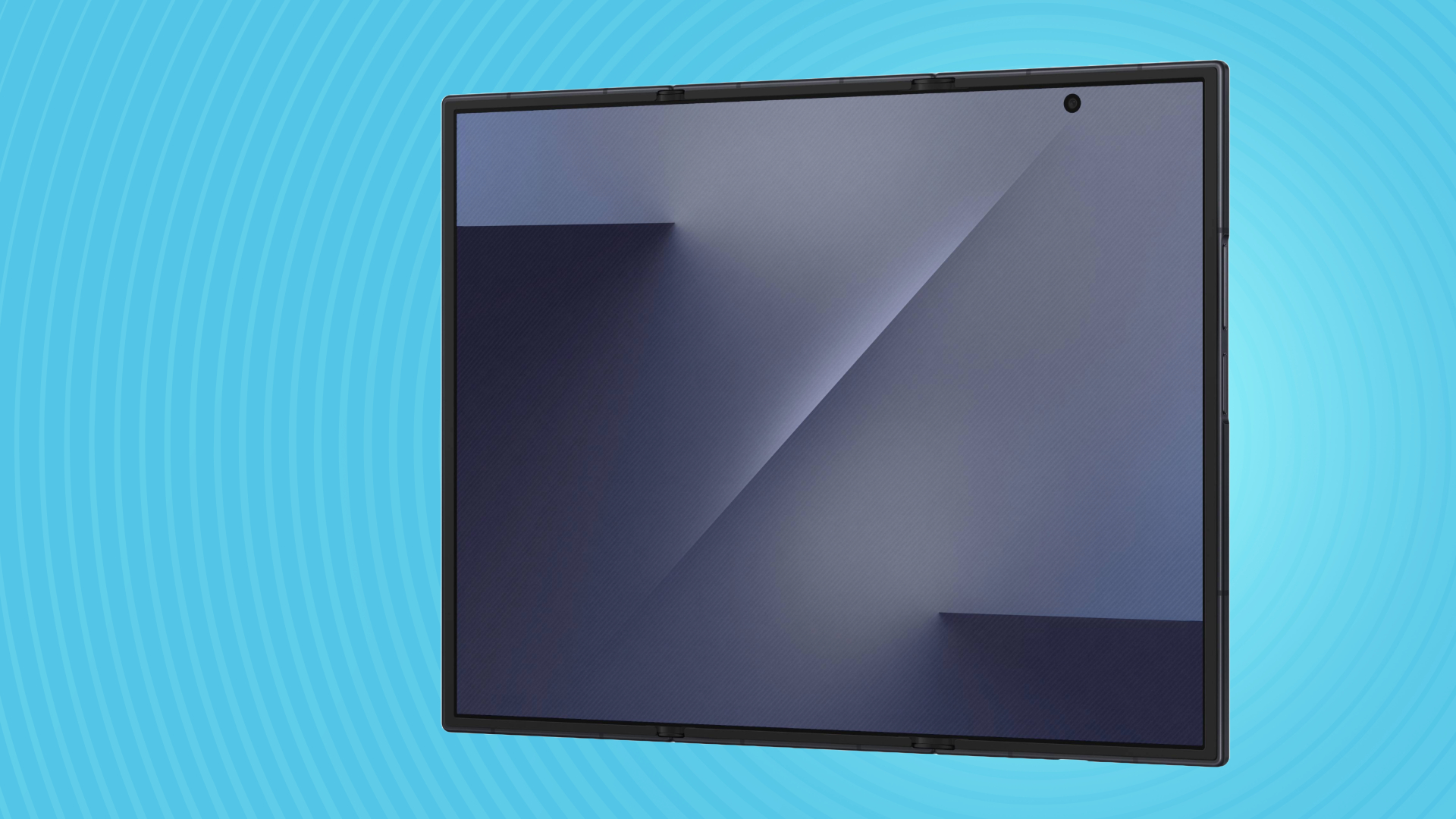
It’s a great time to be a folding phone fan. The best folding phones are getting slimmer, stronger, and more powerful every year, and having used a selection of foldable devices this year I’ve been amazed by the progress in this niche segment of the phone market.
Though flip phones have a charm, I much prefer tablet-style folding phones because of their large inner displays, which offer a much better experience for web surfing, scrolling, gaming, and – you’d think – watching videos.
But the fact is that most tablet-style folding phones have an inner display with an almost-square aspect ratio, which means videos don’t always end up much larger on the inner display than on the outer panel.
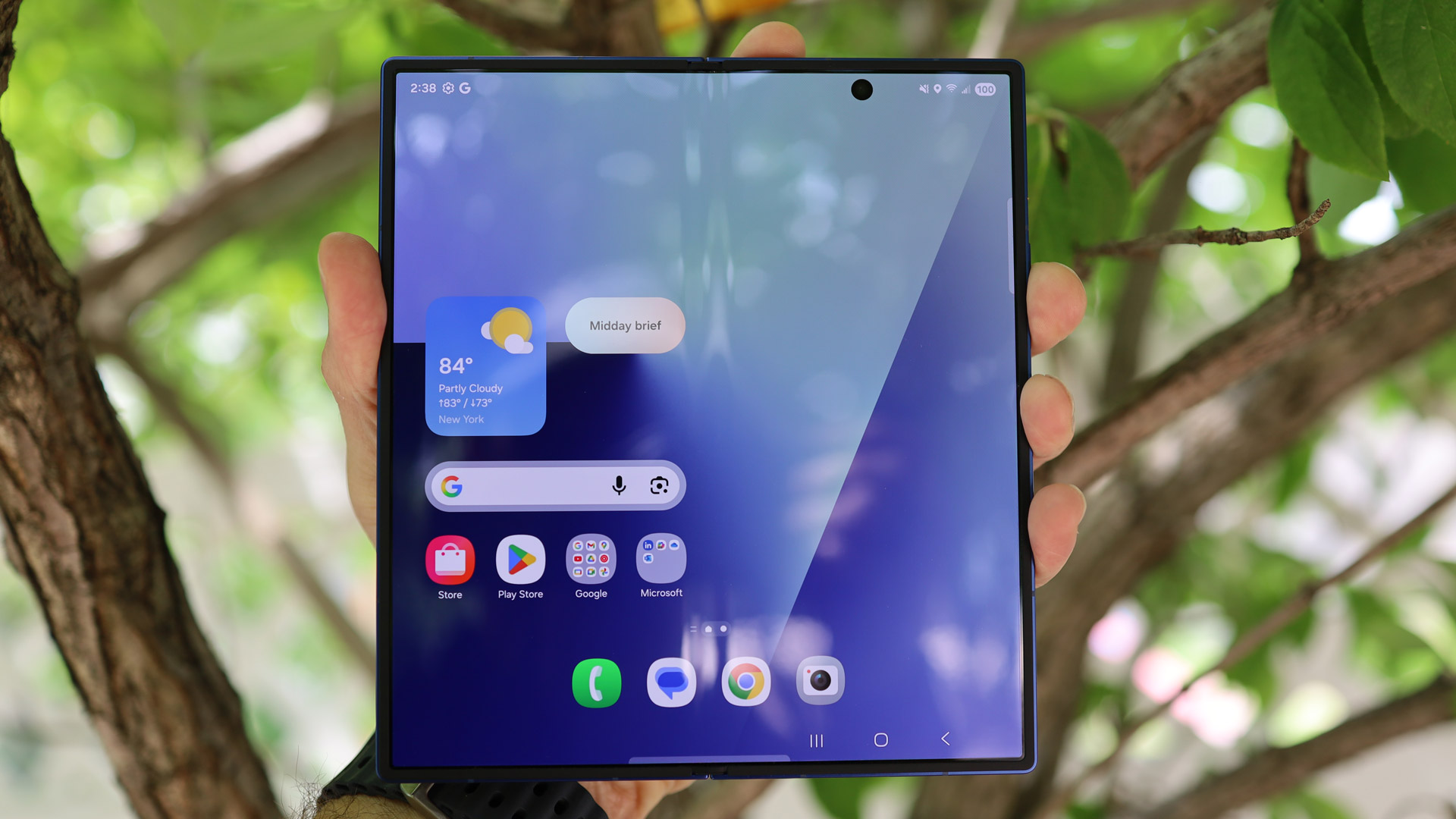
The Galaxy Z Fold 7’s inner display comes in with an unusual aspect ratio of 91:82. With the phone turned on its long side, a 16:9 video takes up 6.88 inches of diagonal screen space, or about 64% of the screen area.
That’s only an extra inch and a half or so of visible video – and while it does make some difference, you can get almost as good a viewing experience for much less money with a large-screened slab phone like the Samsung Galaxy S25 Plus (or even something like the mid-range Galaxy A36).
This also means that the Galaxy Z Fold 7’s inner display is actually less efficient at showing video than its cover screen – you’ll get a larger image on the folding display, but also much larger black bars on the top and bottom of the screen.
What’s more, Samsung Galaxy Z Fold phones have got squarer, and therefore less accommodating for 16:9 video, over time – a table posted to r/GalaxyFold by Reddit user EndlessZone123 notes that the original Samsung Galaxy Z Fold had a 7.3 inner display with a 1.4:1 aspect ratio, meaning that 16:9 video could take up 6.77 inches diagonally – almost the exact same as on the Samsung Galaxy Z Fold 7, despite Samsung’s newer phone boasting a larger 8-inch display.
Now, none of this is really meant as a criticism of the Samsung Galaxy Z Fold 7, or other folding phones with square-ish displays, as they’re still the phones of choice for multitasking – I’m simply highlighting a limitation of the form factor, and it’s clearly one that many folding phone fans are happy to accept.
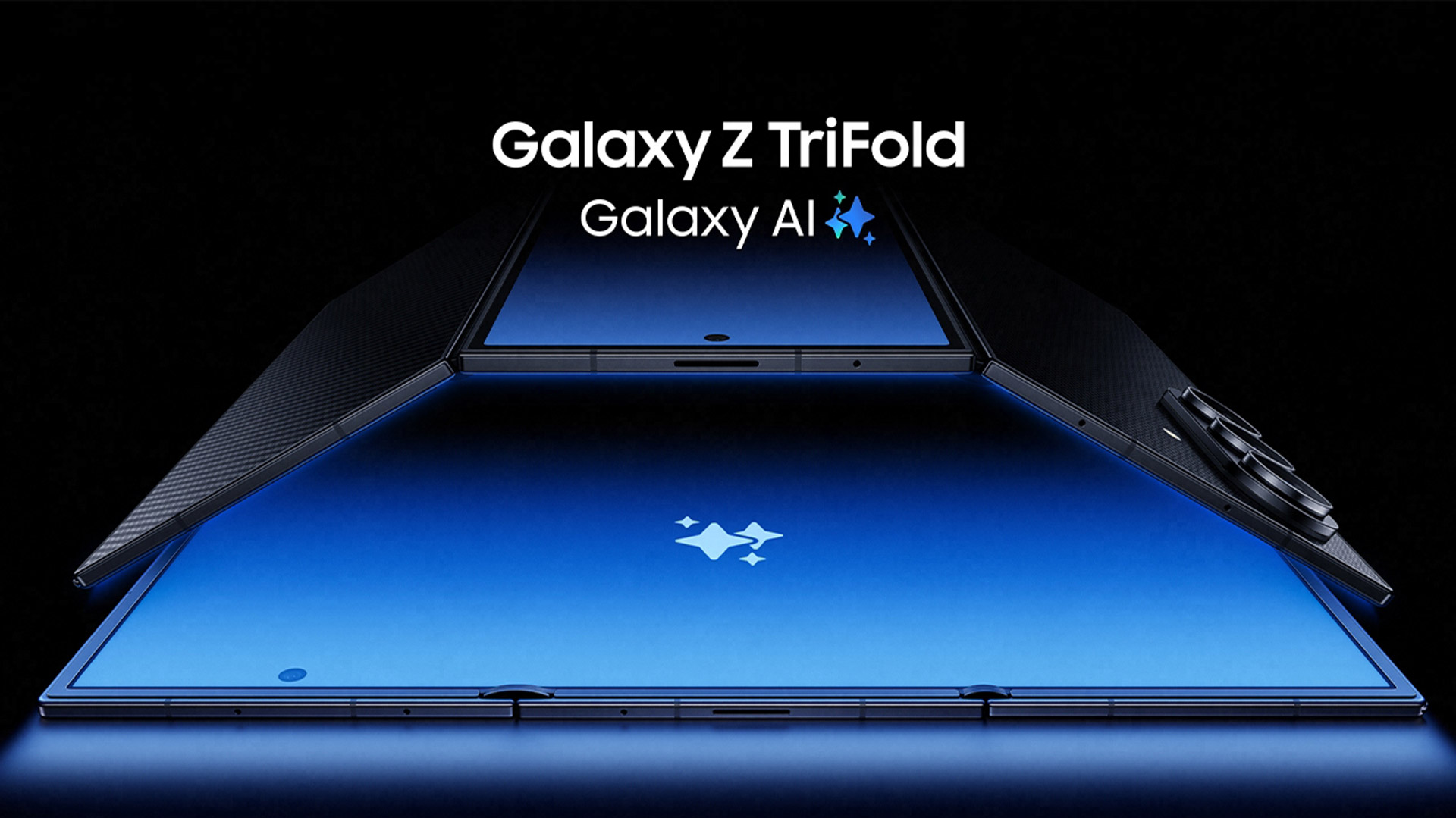
However, the Samsung Galaxy Z Trifold could be a game changer in this regard. Its 10-inch inner display rocks a 4:3 aspect ratio. While a 4:3 aspect ratio means you’ll still get some black bars above and below the frame of a typical TV show or movie, the sheer size of the Galaxy Z Trifold means that a 16:9 frame will still measure 9.18 inches from corner to corner.
That’s a much more enticing proposition for watching movies, videos, and TV shows, especially on the go – I can see the Galaxy Z Trifold being a real winner for travel, with its convenient folding design making it easy to hide away as you shuffle between airport queues or board a train carriage, ready to unfold and continue watching as the next part of your journey picks up. It’s this exact combination of portability and convenience that made me fall in love with folding phones in the first place, and I can’t wait to see how the Galaxy Z Trifold elevates things.
Of course, the Galaxy Z Trifold will have much more going for it than its ability to play back video – we’re expecting Samsung’s new multi-fold phone to offer some unique workflows for productivity and an entirely new form factor to get to grips with. Let us know your thoughts on the upcoming foldable in the comments below.
