Huawei Watch Air ultra-thin wearable’s launch time revealed

Huawei
Huawei Watch Air ultra-thin wearable’s launch time revealed
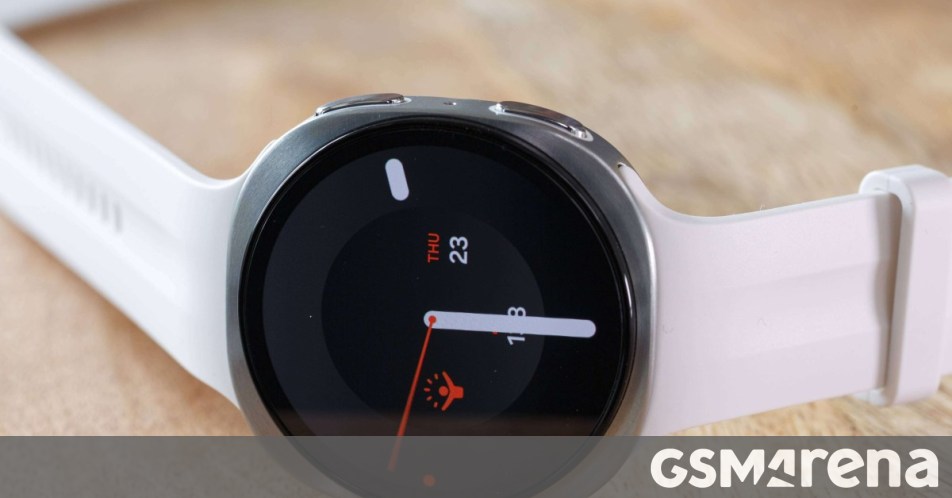
Huawei is reportedly planning to launch Watch Air, an ultra-thin wearable next week. The new smartwatch may showcase major design changes. It can adopt a slimmer and sleeker appearance compared to other Huawei wearables. Here are the details.
Weibo leaker BaizeMountain reported that the Huawei Watch Air will launch alongside the OSTA sub-brand smartphones next week. The device will debut as an ultra-thin wearable, featuring significant upgrades.
Early details suggested that the Watch Air will be a mid-range wearable. It may focus on the appearance rather than internal specifications and bring notable health and fitness features, advancing the user experience.
Apart from Watch Air, Huawei is also working on a continuous blood glucose monitoring (CGM) device. It has recently completed medical certification and is expected to launch soon. Perhaps the company may use this feature in the new Air wearable.
Mate 70 Air was the first Huawei Air device launched last year. While the Mate 80 Air launch time is still unconfirmed, Huawei is seemingly ready to unveil a Watch Air.

Source – Weibo
The tipster added that the OSTA phones and Watch Air may accompany the small MateBook Fold, a pocket PC, on stage. However, the information’s accuracy remains doubtful and requires official confirmation.
A small Huawei MateBook Fold is expected to launch this month. It has passed the 3C certification with 66W charging capability, suggesting its imminent release to the market. Although the company hasn’t confirmed any of the leaked devices yet.
China’s Double 11 sale will run live till November 11. Hence, next week appears to be the right time for these Huawei products. The company may also provide discounts and Chinese subsidies on these devices during the same sale event.
Huawei seemingly has many products for this month. Though the company has yet to confirm their existence with an official announcement.

Source: Read original article


Comments ()