One of Android’s biggest software rollouts is here, with over 80 devices on the guest list

Affiliate links on Android Authority may earn us a commission. Learn more.
One of Android's biggest software rollouts is here, with over 80 devices on the guest list
Nov 3, 2026 — 12:24 PM ET
- Xiaomi has revealed its global HyperOS 4 rollout roadmap, covering 80+ phones and tablets across three waves.
- The rollout begins in early November, expands in mid-November, and reaches more devices in December.
- HyperOS 4 brings a glass-inspired redesign, new customization options, and Android 17-based improvements.
Apple may have trademarked the art of making glass look exciting on phones, but Xiaomi clearly didn’t get the memo about keeping a safe distance. After borrowing a page from Apple’s design playbook with its translucent HyperOS 4 interface, the Chinese manufacturer is ready to put its latest software makeover in millions of hands. This time, there’s a proper global rollout calendar to go with the shiny new coat of paint.
Xiaomi has published its global HyperOS 4 rollout schedule, confirming that the stable update will begin reaching eligible Xiaomi, Redmi, and POCO devices this November, with more joining through December. The announcement follows September’s global beta program, which initially targeted a handful of flagships. Now, the guest list has expanded considerably, covering 82 phones and tablets across three rollout waves.
When is your phone getting HyperOS 4?
Xiaomi has divided the global rollout into three waves, with the first devices scheduled to receive the update in early November.
- Early November 2026: Xiaomi 17 Ultra, Leica Leitzphone powered by Xiaomi, Xiaomi 17, Xiaomi 17T Pro, Xiaomi 17T, Xiaomi 15 Ultra, Xiaomi 15, Redmi Note 17 Pro Max 5G, Note 17 Pro 5G, Note 17 5G, Note 17, Note 15 Pro+ 5G, Note 15 Pro 5G, Note 15 Pro, Note 15 5G, Note 15, Redmi 17 5G, Redmi 17, Redmi 17C 5G, Redmi 15C 5G, Redmi 15C, POCO F8 Ultra, F8 Pro, X8 Pro Max, X8 Pro, X8 Pro Iron Man Edition, X8, M8 Pro, M8, C95 Pro, C85, Xiaomi Pad 8 Pro, and Xiaomi Pad 8.
- Mid-November 2026: Xiaomi 15T Pro, Xiaomi 15T, POCO F9 Ultra, F9 Pro, F7 Ultra, F7 Pro, F7, X7 Pro, X7 Pro Iron Man Edition, Xiaomi Pad 7 Pro, Xiaomi Pad 7, Xiaomi Pad Mini, Redmi Pad 2 Pro 5G, Redmi Pad 2 Pro, POCO Pad X1, and POCO Pad M1.
- December 2026: Xiaomi MIX Flip, Xiaomi 14 Ultra, Xiaomi 14, Xiaomi 13 Ultra, Xiaomi 13 Pro, Xiaomi 13, Xiaomi 14T Pro, Xiaomi 14T, Xiaomi 13T Pro, Xiaomi 13T, Redmi Note 14 Pro+ 5G, Note 14 Pro 5G, Note 14 Pro, Note 14 5G, Note 14, Redmi 15 5G, Redmi 15, Redmi 14S, Redmi A7 Pro, POCO F6 Pro, F6, X8s, X7, X6 Pro, M8s 5G, M7, C81 Pro, Xiaomi Pad 6S Pro 12.4, Redmi Pad 2 9.7, Redmi Pad 2 9.7 4G, Redmi Pad 2, Redmi Pad 2 4G, and POCO Pad C1.
These are rollout starting windows rather than guaranteed installation dates, so availability may vary by device and region.
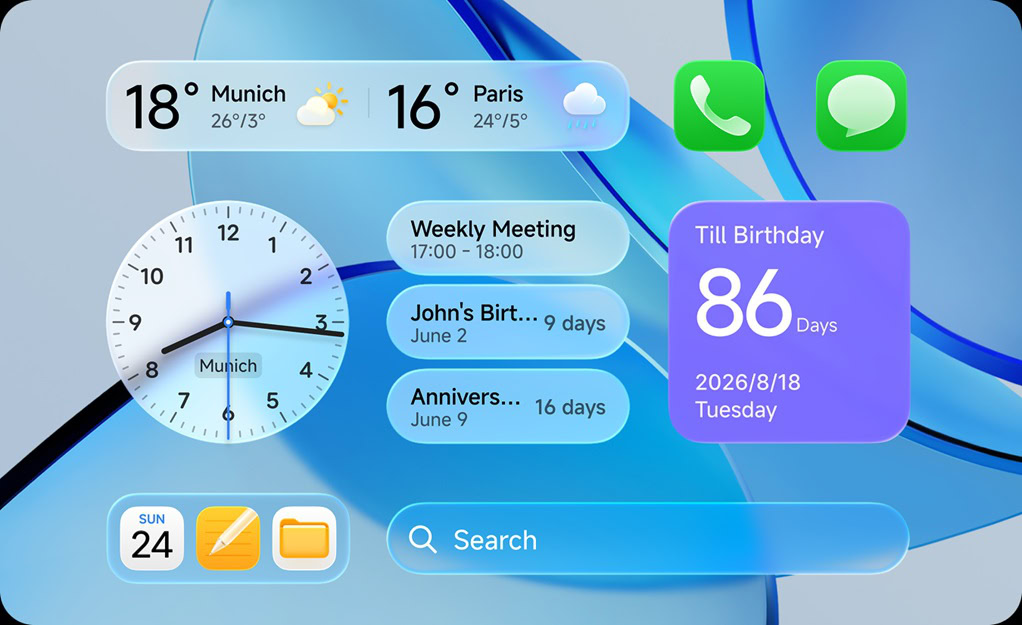
As for what’s arriving, HyperOS 4 introduces Xiaomi’s Soft Light Glass design, complete with translucent panels, layered notifications, redesigned lock screens, and more customization options. The update also introduces performance improvements and smarter device management.
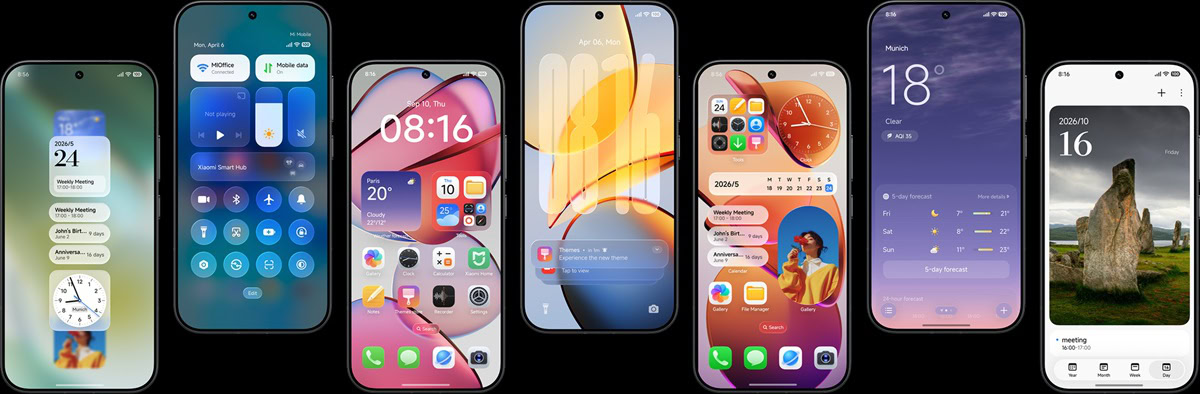
Apple’s Liquid Glass influence is hard to miss, although Xiaomi isn’t exactly breaking new ground with the look. Even OPPO is doing the same with ColorOS 17, and Google has also been embracing similar translucent effects in Android 17.
Speaking of Android 17, HyperOS 4 is based on Google’s latest OS, although some devices already run Android 17 under HyperOS 3. For those phones, the real attraction is Xiaomi’s own collection of visual and functional upgrades.
Still, beneath all that borrowed sparkle is a substantial software upgrade. And for owners of older Xiaomi phones, the most exciting part might be seeing their devices make the cut.
Source: Read original article


Comments ()