

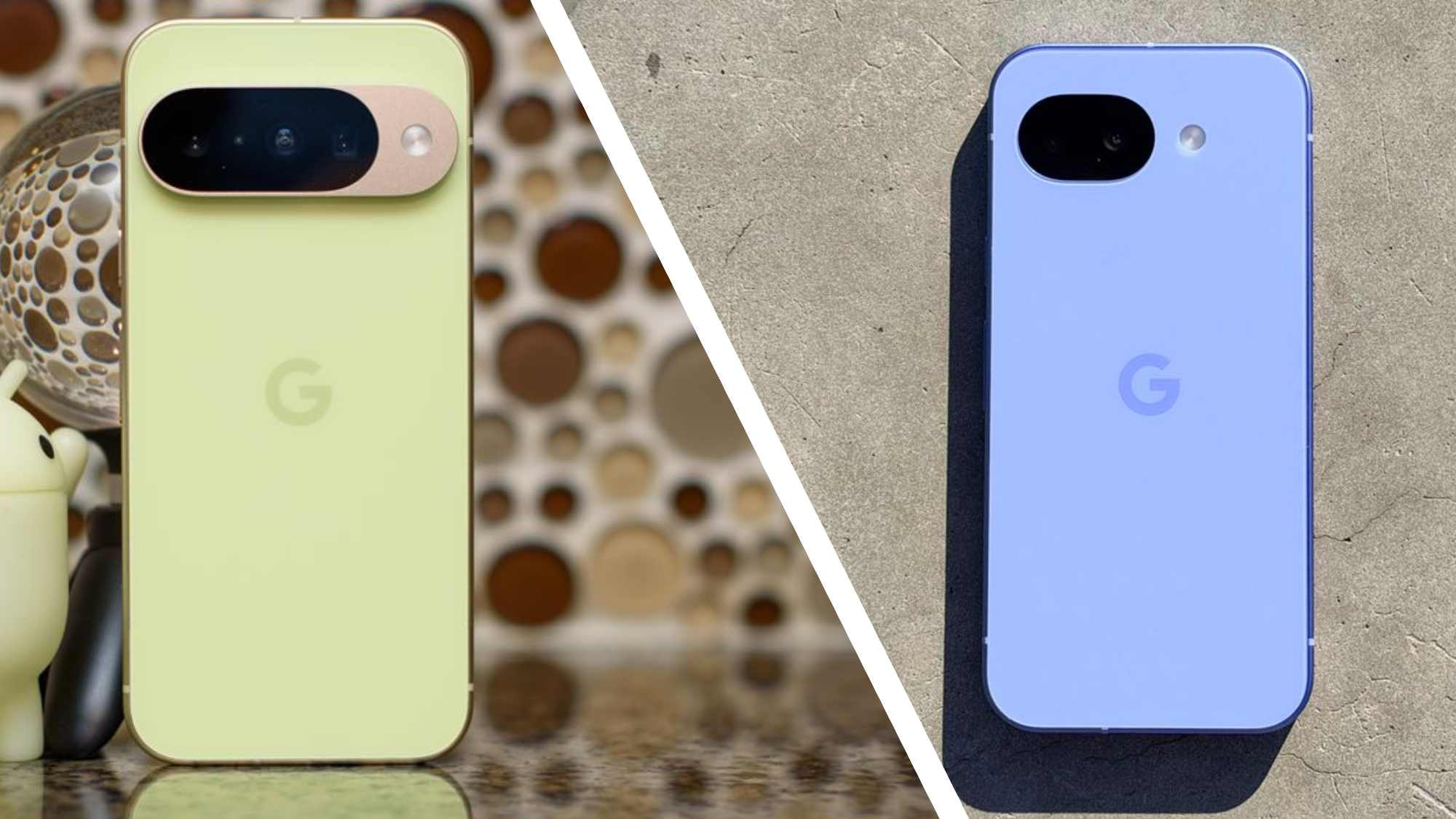
The Google Pixel 10a boasts an impressively sleek design, Pixel 10-beating battery life, and a versatile main camera.
Pros
- Pro-equaling main camera
- Genuinely useful AI software
- Strong battery life
Cons
- No telephoto camera
- No Pixelsnap compatibility
- Tensor G4 chipset isn’t the fastest
The Google Pixel 10 is the superior choice for keen photographers, and its compatibility with Pixelsnap is a real advantage.
Pros
- Tensor G5 chipset is well-suited to processing AI tasks
- Pro-level camera suite, including a telephoto lens
Cons
- Unimpressive battery life
- The chipset still can’t handle high-end mobile games
So, to help you figure out which of Google’s latest Pixel phones is best suited to your needs, we’ve compared their specs, features, and overall value propositions. And remember, if you’re after a true flagship experience, there’s always the pricier Pixel 10 Pro to consider.
Article continues below
Google Pixel 10a vs Pixel 10: specs comparison
Before we dive into the specifics of each phone, let’s take a look at their key specs.
Swipe to scroll horizontally
| Header Cell – Column 0 |
Google Pixel 10 |
Google Pixel 10a |
|---|---|---|
|
Dimensions: |
152.8 x 72.0 x 8.6mm |
154.7 x 73.3 x 8.9mm |
|
Weight: |
204g |
185.9g |
|
Display: |
6.3-inch Actua |
6.3-inch Actua |
|
Refresh rate: |
60-120Hz |
60-120Hz |
|
Peak brightness: |
3,000 nits |
2,700 nits |
|
Chipset: |
Google Tensor G5 |
Google Tensor G4 |
|
RAM: |
12GB |
8GB |
|
Rear cameras: |
48MP wide, 13MP ultrawide, 10.8MP telephoto |
48MP wide, 13MP ultra-wide |
|
Front camera: |
10.5MP |
13MP |
|
Battery: |
4,970mAh |
5,100mAh |
|
Charging: |
25W wired, 15W wireless |
23W wired |
|
Storage: |
128GB, 256GB |
128GB, 256GB |
Google Pixel 10a vs Pixel 10: price and availability
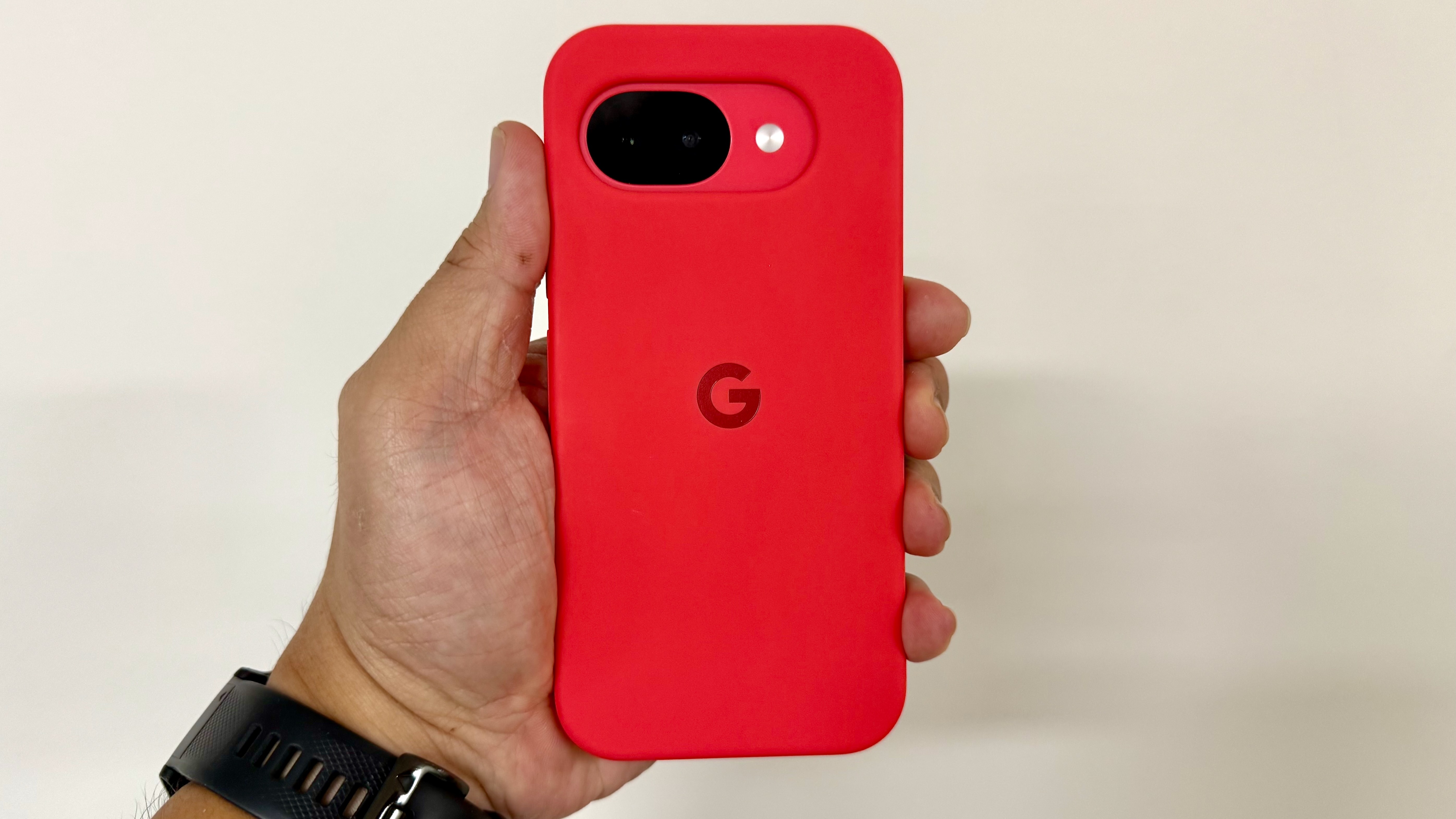
The Google Pixel 10 and Pixel 10a are both globally available phones, though they didn’t release at the same time: the a-model’s March 2026 release makes it six months older than its sibling, which launched in August 2025.
The base Google Pixel 10 goes for $799 / £799 / AU$1,349, and that’s for 128GB storage, while there’s also a 256GB model available for $899 / £899 / AU$1,499.
Naturally, the Pixel 10a is cheaper; it starts at $499 / £499 / AU$849 for the model with 128GB of storage, and $599 / £599 / AU$999 for 256GB.
So, whichever model you choose, the Pixel 10a is $300 / £300 / AU$500 less expensive than the Pixel 10. It’s the cheapest model in Google’s Pixel lineup, and not by a small margin either.
Winner: Pixel 10a
Google Pixel 10a vs Pixel 10: design
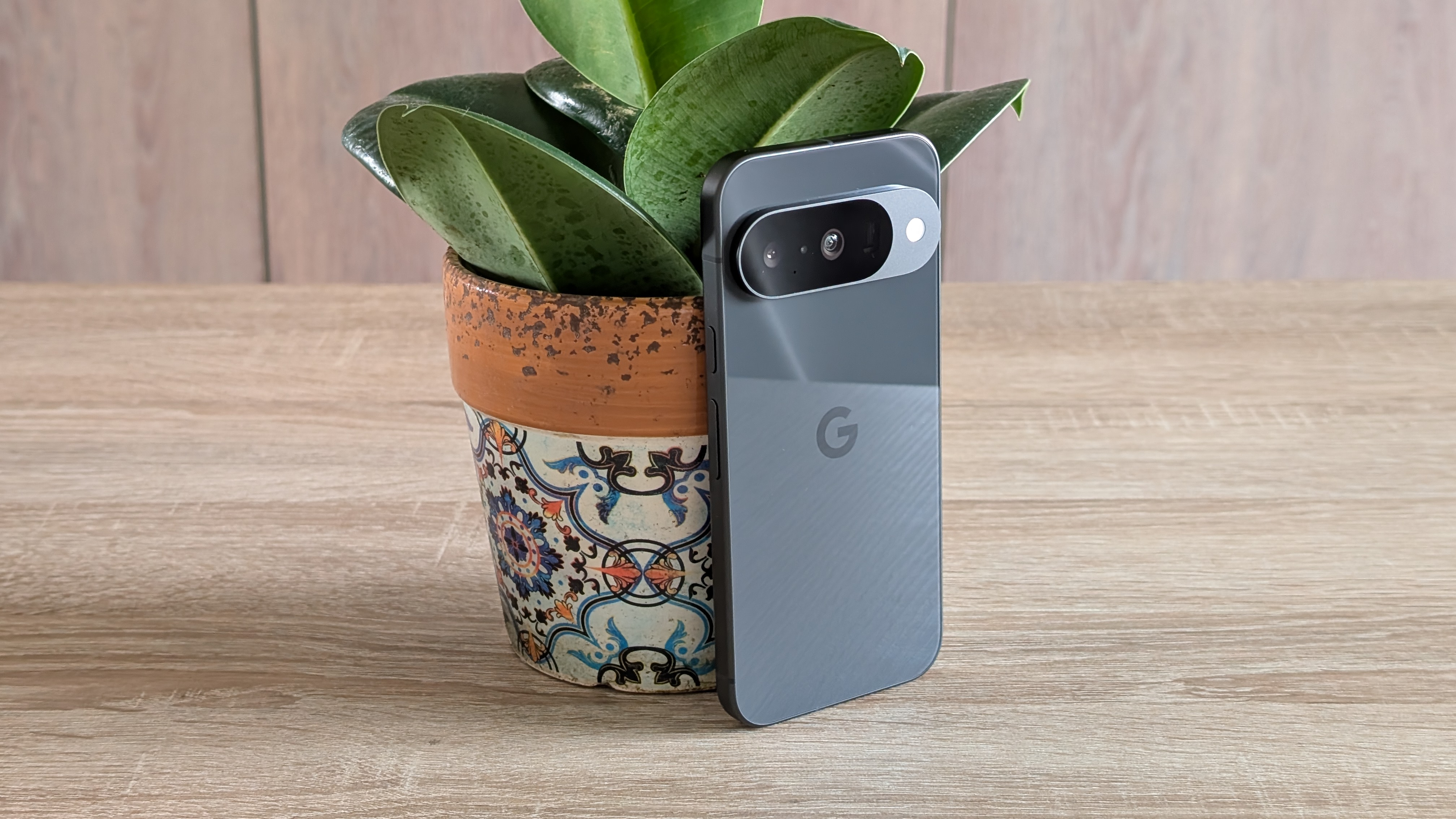
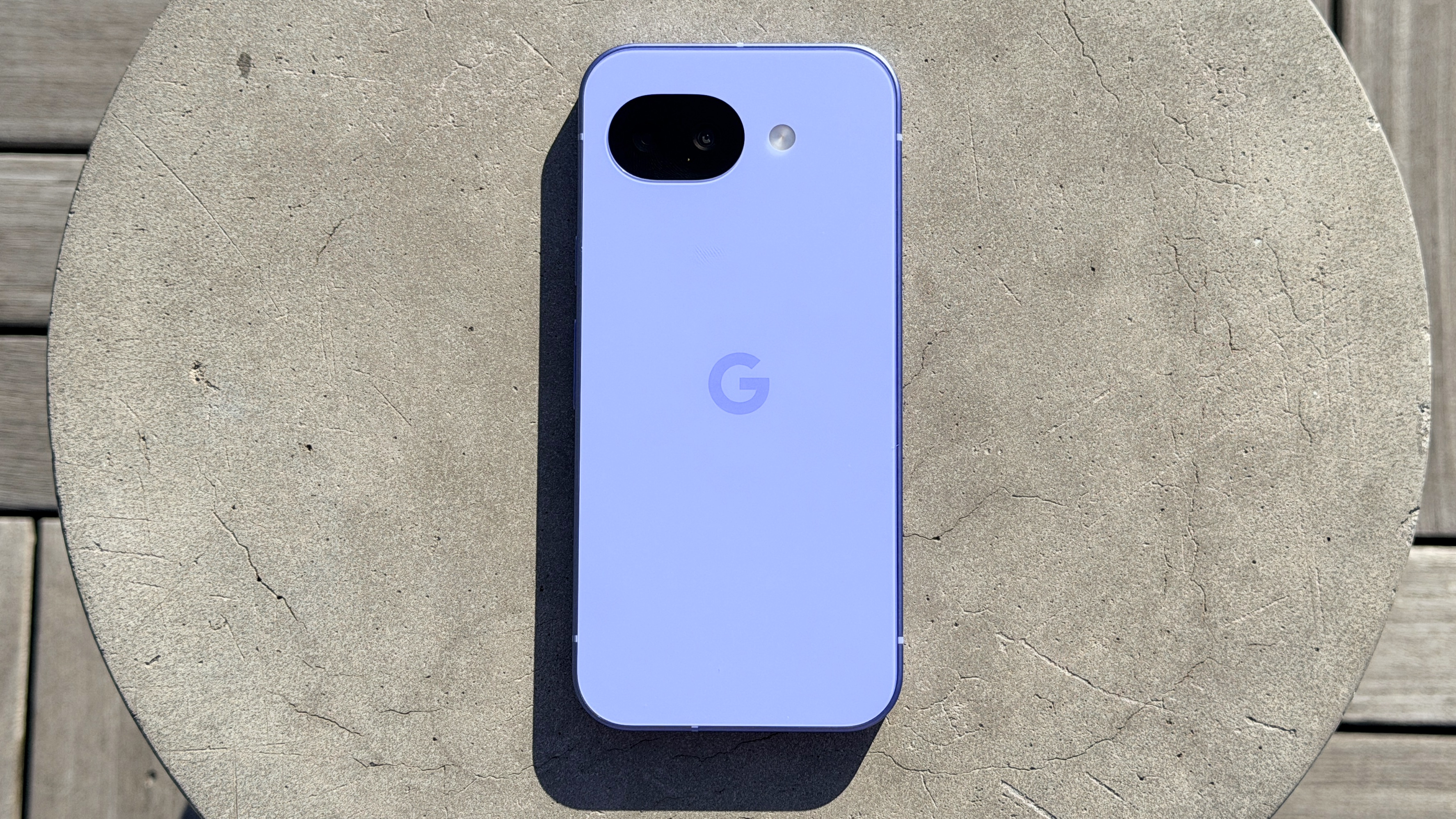
Squint, and the Google Pixel 10 and Pixel 10a look pretty similar. They’re similar in size and roughly offer the same aesthetic: a plain slate with an oval-sized camera bump at the top.
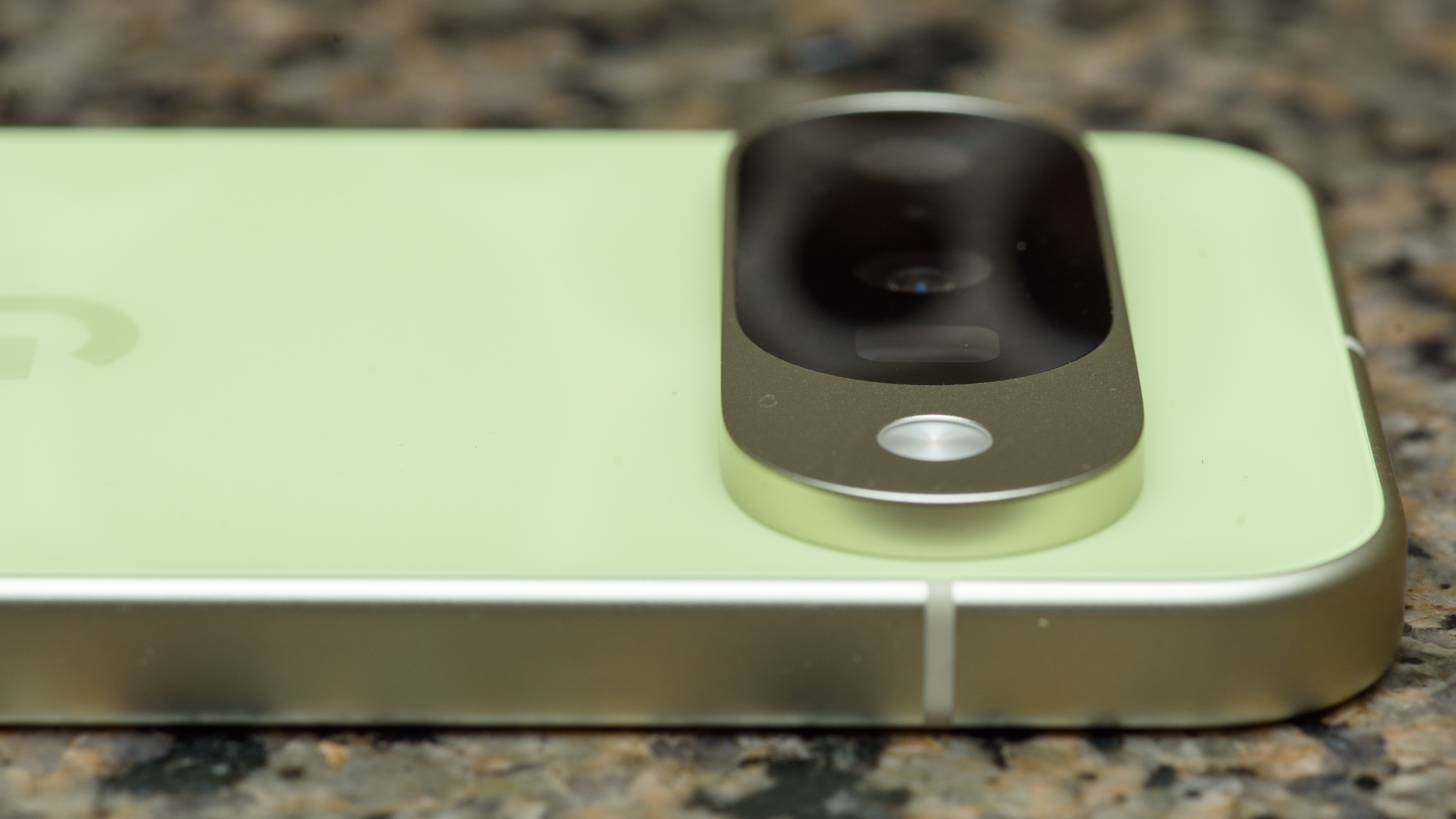
This camera bump is, however, wider on the Pixel 10, and it protrudes further too. There’s no denying that it makes the phone scream “camera powerhouse” to the eye, but this bump might also catch on your trouser pocket, and it stops the phone from sitting flat on a table.
The Pixel 10a’s camera bump is flush with the back of the phone. Plus, the device is a little lighter overall, so you’re getting a more svelte package.
As for colors, the Pixel 10 comes in black, white, blue, or yellow, while the 10a swaps out the yellow option for a bright red ‘Berry’ shade.
Winner: Pixel 10a
Google Pixel 10a vs Pixel 10: display

There’s little to distinguish the Google Pixel 10a and Pixel 10 in the display department.
Both have the same 6.3-inch 1080 x 2424 display, which can hit a 120Hz refresh rate. At 3,000 nits, the max brightness of the Pixel 10 is technically 300 nits higher than the 10a’s, but that’ll mean little in practice.
At play here is Actua, a display tech made by Google that focuses on high-brightness OLED panels. Our testers for both phones complimented the vibrancy and easy-viewing of their respective Actua panels, with our Google Pixel 10 review noting that “Google’s Pixel displays have quietly taken the crown as the best screens you’ll find.” High praise indeed.
The screens are, in both cases, broken up by a punch-hole display at the top, which houses a front-facing camera. Neither is very big, so it won’t steal your pixels.
Winner: tie
Google Pixel 10a vs Pixel 10: cameras
Both Google phones have the same 48MP main camera, and we’ve praised the color and lighting of pictures taken with this lens. Indeed, our Google Pixel 10a review notes that “the 48MP camera is excellent for everyday shots — whether that’s snapping a quick photo of your dog, capturing a meal, or taking a portrait of a friend.”
The 13MP ultra-wide camera — which we described as “great for landscapes, group photos, or architecture” — is also a common feature between the two phones.
And when you look at the front-facing cameras, the Pixel 10a actually pulls ahead: it has a 13MP sensor to the 10’s 10.5MP one, though the photographic results are largely similar.
But the Pixel 10 earns its stripes as a bona fide camera phone thanks to its zoom capabilities. It boasts a 10.8MP telephoto sensor that supports a 5x optical zoom, making it a great option for distance or macro shots. The Pixel 10a has no such telephoto module to speak of.
For Google, camera software often seems just as important as camera hardware, and luckily, the killer feature of the Pixel 10, Camera Coach, is also on the A-series model.
Camera Coach gives you advice to improve your shot, pointing you to change your framing or angle in ways that’ll create a better result. It’s not onerous or tyrannical, and offers pointers that really help.
Winner: Google Pixel 10
Google Pixel 10a camera samples

Google Pixel 10 camera samples

Google Pixel 10a vs Pixel 10: performance and software
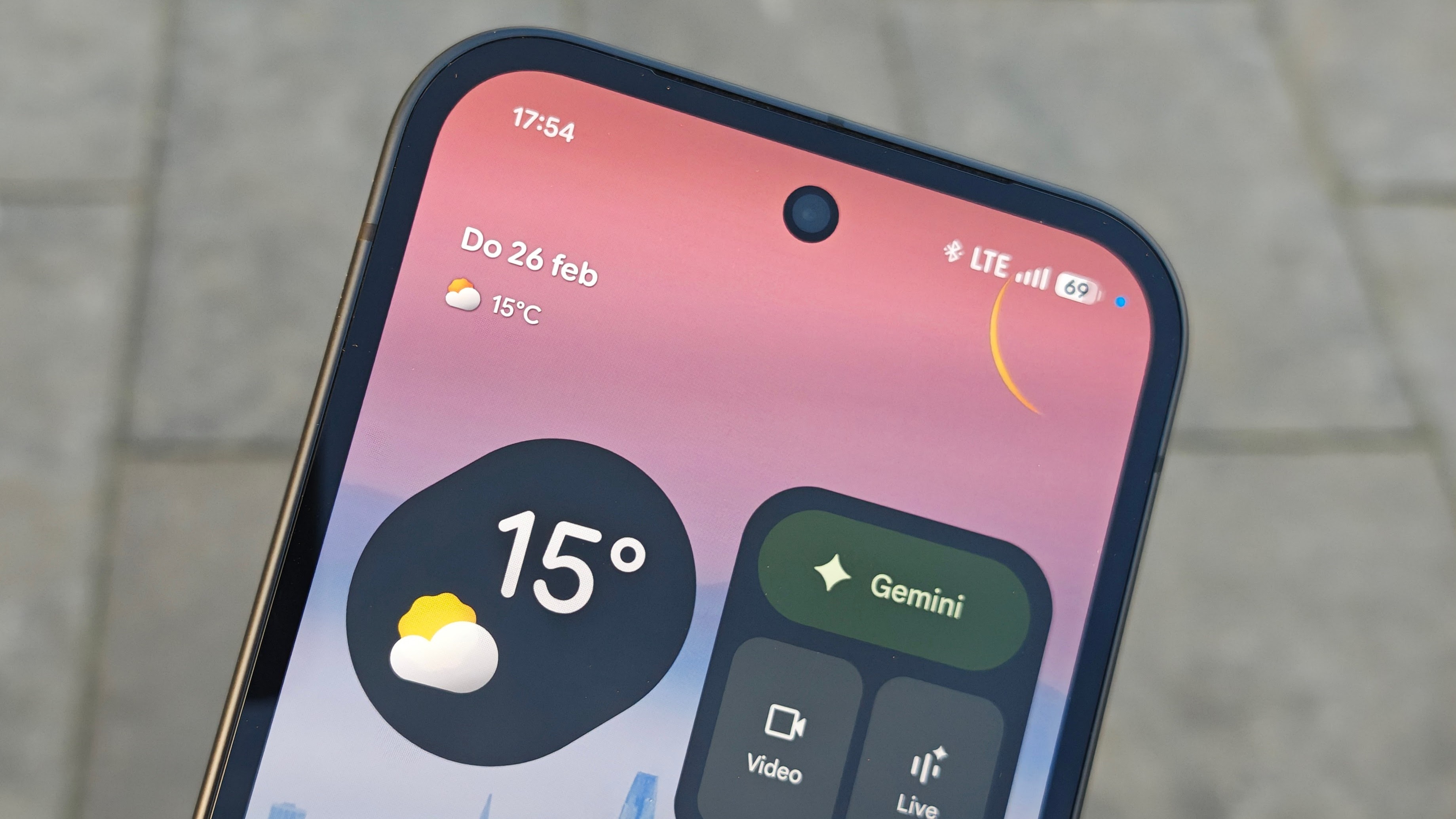
Software-wise, both the Google Pixel 10 and Pixel 10a present the same package. They both come with stock Android 16, and Google has pledged up to seven major OS updates to both phones.
That means, whichever phone you pick up, you’ve got equal access to Google’s suite of smart software tools, including customization features, shortcuts, and Magic Cue, which scrapes your data (privately) to give in-app suggestions in texts and messages. In our Pixel 10 review, we said that Magic Cue “isn’t perfect [but] isn’t in the way,” so make of that what you will.
It’s easier to tell these two phones apart in the performance department. The Pixel 10 uses Google’s newest chipset, the Tensor G5, while the 10a uses the Tensor G4, which we saw in the Pixel 9. Neither is blindingly fast — gamers need not bother with Pixel phones in general — but the G5 definitely offers a little extra oomph.
We noted in our Pixel 10a review that you’ll be “able to perform nearly all daily tasks on the 10a,” though Google’s AI features will likely load more snappily on the Pixel 10.
That’s because — as our Pixel 10 review notes — “the G5-equipped phone is running many more machine-learning models on the device itself.” The more a phone can rely on its own power instead of tapping the cloud for help, the faster it will feel. Sure, the difference will be negligible most of the time, but the Pixel 10 is an objectively more powerful device than its cheaper sibling.
Winner: Pixel 10
Google Pixel 10a vs Pixel 10: battery
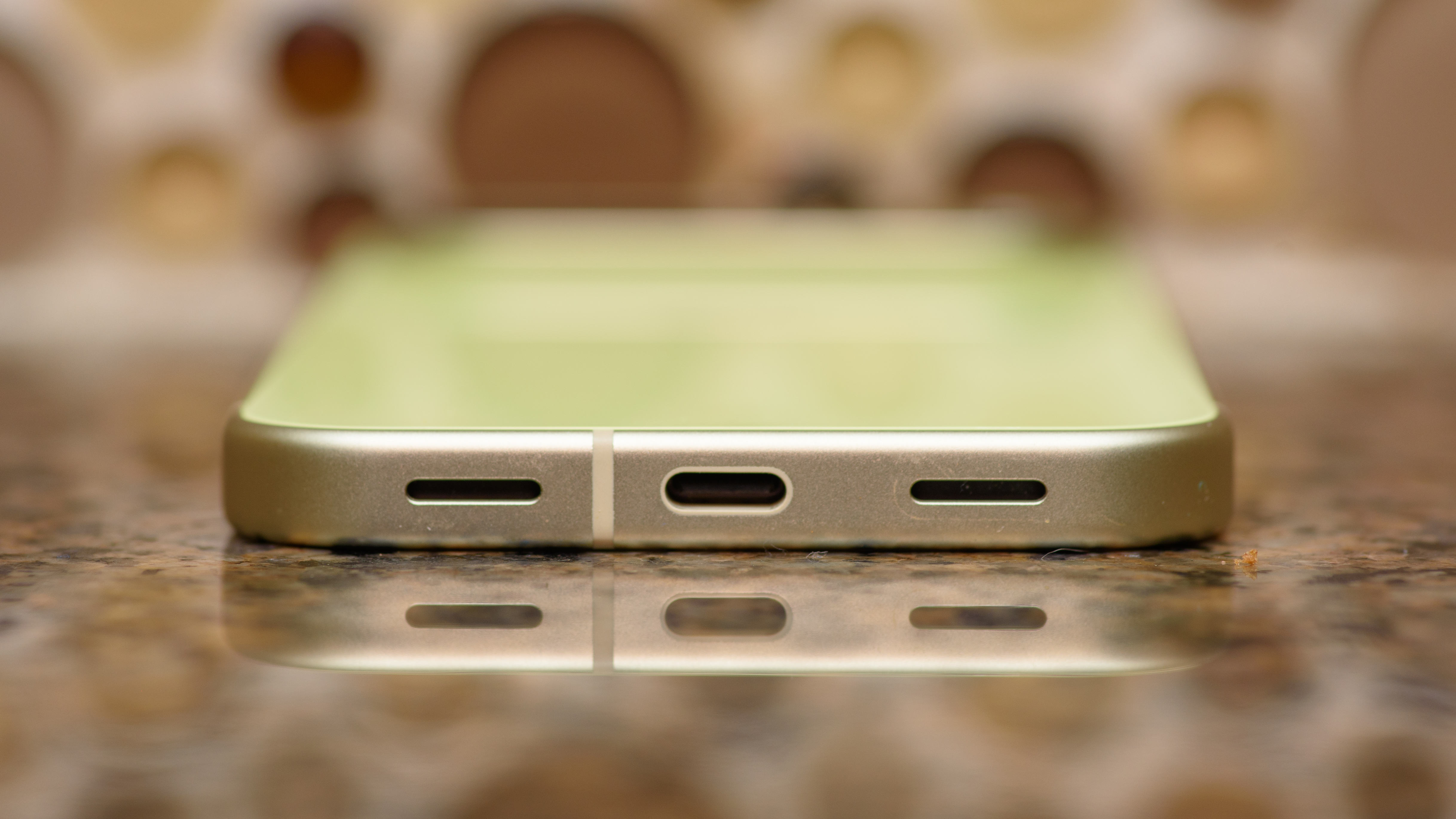
On paper, the Google Pixel 10a beats its premium sibling by a hair in terms of battery size. It has a 5,100mAh battery, compared to the Pixel 10’s 4,970mAh cell.
In our reviews of the two phones, we said the Pixel 10 “usually lasted through a full day of testing”, while the Pixel 10a “will easily last all day”. Our lab test, however, revealed a slight advantage for the Pixel 10a, which lasted for 15 hours and 16 minutes to the Pixel 10’s 13 hours and 15 minutes. So, it’s clear that the 10a lasts a bit longer.
However, the Pixel 10 wins outright on charging speed. It’s a closely-run affair in the wired charging department — the Pixel 10 gets 25W wired charging, while the Pixel 10a gets a comparable 23W — but the pricier phone also has 15W wireless charging. No such option exists on the Pixel 10a, meaning owners of the cheaper phone won’t be able to make use of Google’s MagSafe-like Pixelsnap accessories.
Winner: tie
Google Pixel 10a vs Pixel 10: verdict
This is certainly a hard one: the Google Pixel 10 won out in two sections, as did the Pixel 10a, and two sections were a tie. Even split!
That’s not normal when comparing mainstream phones against their budget counterparts; in most cases, the top-end model wins outright in all departments except for price. Yet the Pixel 10a has a better design than the Pixel 10, and beats it for battery life (though that section was a tie, thanks to the Pixel 10’s superior charging capabilities).
That all goes to show that the Google Pixel 10a is a genuinely attractive alternative to the Pixel 10, and if you decide to opt for it, you’re not getting a worse device for your cash. You really only lose out on the pricier phone’s zoom capabilities, capacity for wireless charging, and slightly speedier chipset.
Follow TechRadar on Google News and add us as a preferred source to get our expert news, reviews, and opinion in your feeds. Make sure to click the Follow button!
And of course you can also follow TechRadar on TikTok for news, reviews, unboxings in video form, and get regular updates from us on WhatsApp too.
