Why the Pixel 7's camera still holds up in 2026, even without Google's newest AI
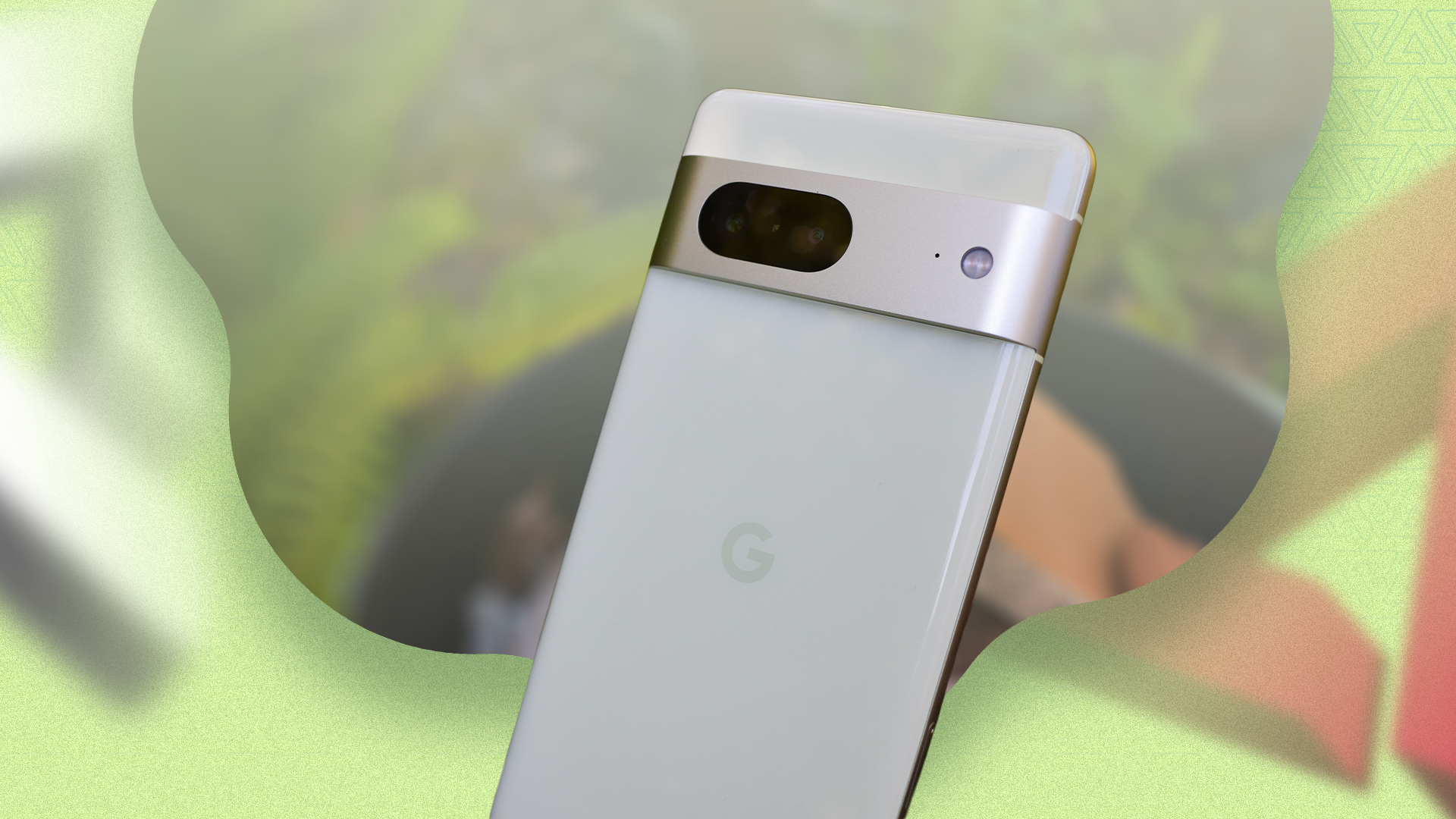
Every new smartphone released these days offers AI features that enhance hardware, but what happens to smartphones released years ago? Do they get left in the dust? Most people would think that, but I believe the Google Pixel 7's camera proves them wrong.
AI has played a big role in augmenting the latest hardware in the newest mobile phones. But the Pixel 7 camera has, so far, stayed in the fight longer than expected. With its 50MP main sensor, dependable color science, and outstanding portrait images, the Pixel 7 camera could still give AI-featured phones a run for their money.
The Pixel 7's 50MP main sensor remains a star
An amazing piece of hardware before its time
A smartphone with great hardware tends to stay relevant longer than the average smartphone cycle. The Pixel 7's main camera sensor is a good example of this. It takes vivid images with strong dynamic range, natural depth of field, and enough resolution for sharp 2x crops.
Its 1/1.31-inch sensor, 1.2-micron pixels, and f/1.9 aperture capture more light, while the optical image stabilizer and swift automatic focus decrease blur and improve the sharpness of the subject(s). It also combines strong hardware with Google's image processing, which is what really sets it apart.
Google's image processing balances highlights and shadows, controls noise, preserves detail, and produces natural, captivating colors.
That all supports the main 50MP camera in ensuring images remain clean and can compete with more powerful smartphone cameras like the Pixel 10 that are more heavily AI-assisted.
Natural and dependable color science
Software processing that keeps the Pixel 7 in the fight
An important part of any great camera is its color science. I think many new smartphones with AI-enhanced camera features tend to overcomplicate things. The Pixel 7's main camera keeps things simple by avoiding oversaturation, excessive sharpening, and artificial-looking skin tones.
Its color science works because it prioritizes true-to-life tones and balanced contrast, helping photos age well and stay competitive without leaning on AI features.
A major factor behind this is Google's Real Tone feature, which helps recognize and represent a wide variety of skin tones. This helps faces look well exposed and not washed out or artificially brightened.
This color science lets the Pixel 7's camera deliver amazing images consistently. It reduces the need for constant editing and prevents vastly different colors from one image to the next.
Whether the Pixel 7 is capturing food, objects, or people, it delivers balanced, natural images with few surprises, making its color science dependable for everyday users.
The Pixel 7's Night Sight still holds up
A feature that rivals AI-augmented smartphones
Night mode lets you shoot high-resolution images in low light. The Pixel 7's camera hasn't been left behind when it comes to this feature. It still excels by merging several exposures to retrieve detail, providing noise reduction, and balancing dark and bright areas.
The Pixel 7 processes nighttime images through multi-frame stacking, alignment, and tone mapping. An established computational photography method that keeps it competitive with AI-augmented smartphones.
It also has Night Sight, Google’s low-light photography mode, designed to capture brighter, sharper photos in darker light without a flash. It takes a burst of frames: some shorter and sharper, others longer and brighter.
HDR+ combines those frames into a single image while reducing noise and motion blur. Both the computational photography method and Night Sight feature make the Pixel 7's camera quite capable, even at nighttime.
The Pixel 7 delivers great portraits and close-up shots
Shoot amazing subjects, be it pets, people, or objects
Portrait images provide richer, more vivid photos, especially when focusing on a single subject. The Pixel 7 takes high-quality portraits and close-up images with its main sensor, capturing great detail and creating a natural separation from the background.
It develops portraits through depth estimation and Google's edge detection. This blurs the background while keeping the subjects sharp. Other features, such as Macro Focus, Portrait Mode, and the main sensor's resolution, make it efficient for capturing pets, people, food, and detailed objects.
The 50MP main sensor, Google's edge detection, and other supporting features, like Macro Focus, help the Pixel 7 stay in the fight against many of the latest AI-assisted smartphone cameras.
Pixel 7's video is reliable, even for social media platforms
Produce impressive videos for Instagram, TikTok, and YouTube
Smartphone cameras have improved so much in recent years that many content creators and videographers now trust them to create high-quality video content without needing much editing. While the Pixel 7's video quality isn't exactly top-of-the-range anymore, it still holds its own for candid social media shots.
The Pixel 7 pulls it off without Google's newest AI through consistent exposure, natural colors, and usable stabilization. It can also record 4K at up to 60fps with 10-bit HDR, helping it keep up with newer phones by producing clean, shareable footage for TikTok, Instagram, and YouTube.
Although newer mobile phones may offer stronger stabilization, zoom, and low-light video, the Pixel 7 stays competitive through reliable point-and-shoot video quality and easy-to-use controls.
The Pixel 7 camera gives easy and dependable results
Create quality images and videos consistently
What many users now need from smartphone cameras is consistent results without much fuss. Some might think achieving that consistent quality requires the newest phones running the latest AI with all the bells and whistles.
I believe the Pixel 7 camera proves this isn't necessary by making its application easy and the shutter responsive. It also makes it easy to create stunning images and videos with the standard settings and no extra fine-tuning.
With Google's image processor delivering predictable exposure, color, sharpness, and detail across portraits, daylight, night shots, and videos, the Google Pixel 7's camera still has a lot to offer.

Google Pixel 7
- SoC
- Google Tensor G2
- Storage
- 128GB, 256GB
- Front camera
- 10.8MP, f/2.2, 92.8° FoV
- Rear camera
- 50MP wide (f/1.85), 12MP ultrawide (f/2.2, 114° FoV)
- Display
- 6.3-inch FHD+ OLED, 90Hz
The Pixel 7 proves you don’t need a Pro model to get a great camera. Its 50MP main sensor, 12MP ultrawide, and Tensor G2-powered processing produce consistently excellent photos. Features like Real Tone, Photo Unblur, and Cinematic Blur make it easy to get the shot right the first time.
Source: Read original article

Comments ()