UK can't hide that it tried ordering Apple to allow access to user data
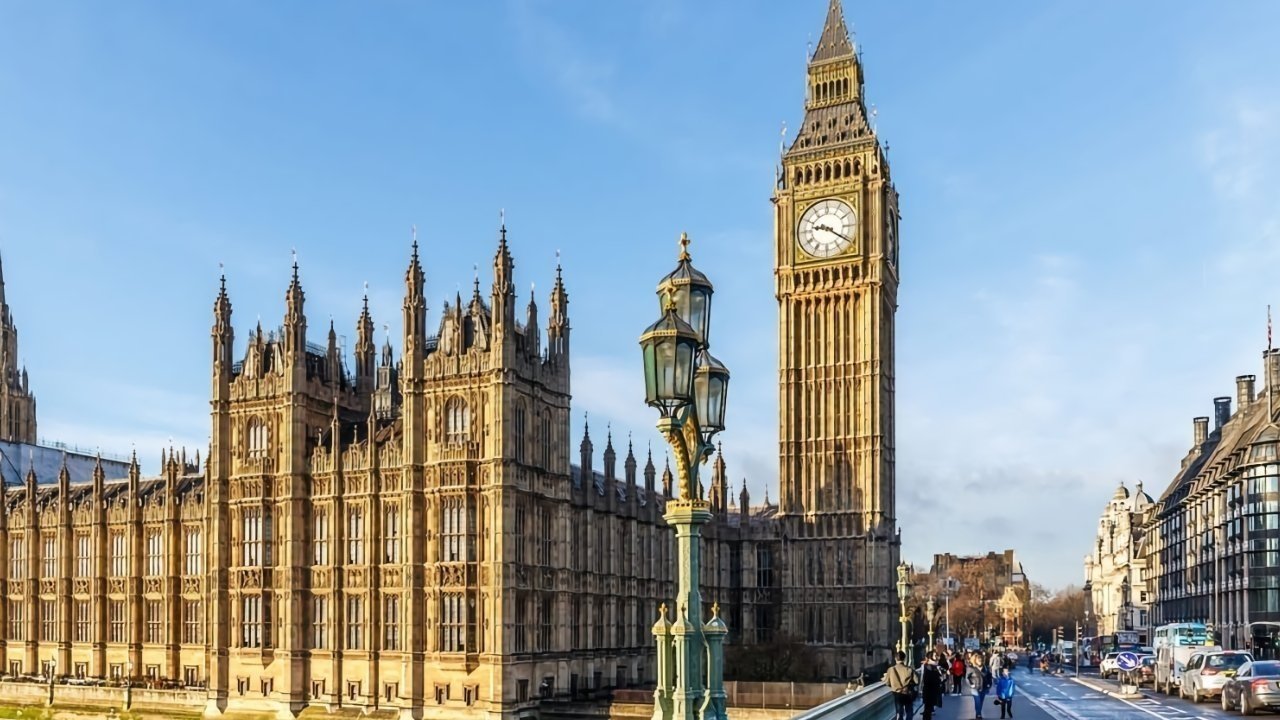
A tribunal has ruled in favor of Apple and against UK government's attempt to keep secret it ordering backdoor access to encrypted iPhone data.
Apple is the firm that refused to create a way for the FBI to gain access to users' encrypted iPhone data, so it was never likely to do it for a foreign country. Nonetheless, the UK first tried back in 2016, and then in 2024 changed its own laws to allow it to make such demands secretly.
The UK then ordered Apple to create such a backdoor and used that law to forbid the company from revealing the order. The government issued what it calls a Technical Capability Notice (TCN), which, if Apple had complied, would give it access to any or all users' encrypted data worldwide.
Apple appealed to the UK's independent Investigatory Powers Tribunal, which has now ruled in its favor. This does not change how Apple is disputing the order with the UK, but it does mean that the case will be heard in open court.
According to the Financial Times, the UK Home Office argued that if its order were publicly known, there would be national security issues. The tribunal's ruling says that the Home Office has not proved this.
More, while the Home Office has a policy of neither confirming nor denying such orders, the tribunal found that it had confirmed this one. The tribunal noted that the UK government had discussed the order with US officials, and that there had been leaks of its existence to the press.
"The cumulative effect of these departures from NCND [Neither Confirm Nor Deny] is that anyone with even a passing interest in the topic already knows that [the Home Office] has served a technical capability notice on Apple," ruled the tribunal.
Consequently, the tribunal described the UK's claim of national security concerns as being "fanciful."
UK admits the order
Following the ruling, the Home Office has confirmed that it issued this TCN, but says it was only so that criminals could be brought to justice.
"These powers are subject to strict safeguards and the government never has access to a company's communications systems or data," said a spokesperson. "Decisions affecting the safety of the British public must be made by democratically elected governments and independent judges, not in the boardrooms of technology companies."
There is as yet no date for when the case of Apple and the Home Office will continue. But the tribunal has ruled that "much" of it will now take place in open court.
Source: Read original article


Comments ()