


The MacBook Neo might only have a mobile-class A18 Pro chip on the inside, but it offers far more performance than you’d expect from a $599 laptop. At that price point, it’s incredibly impressive, and is going some way to redefining what we can expect from the best budget laptops in 2026.
Yet that doesn’t mean it’s perfect, and there are plenty of tasks that the MacBook Neo struggles with. Still, you don’t have to settle for that — if you want to tune up your Apple laptop and eke more performance out of its chip, you’ve got lots of avenues to explore.
Here, we’ve rounded up some of the best ways you can improve the performance of your MacBook Neo. From freeing up storage space to judiciously adjusting a handful of settings, trying these tips could give you even more bang for your buck than you already get.
Article continues below
1. Manage your storage
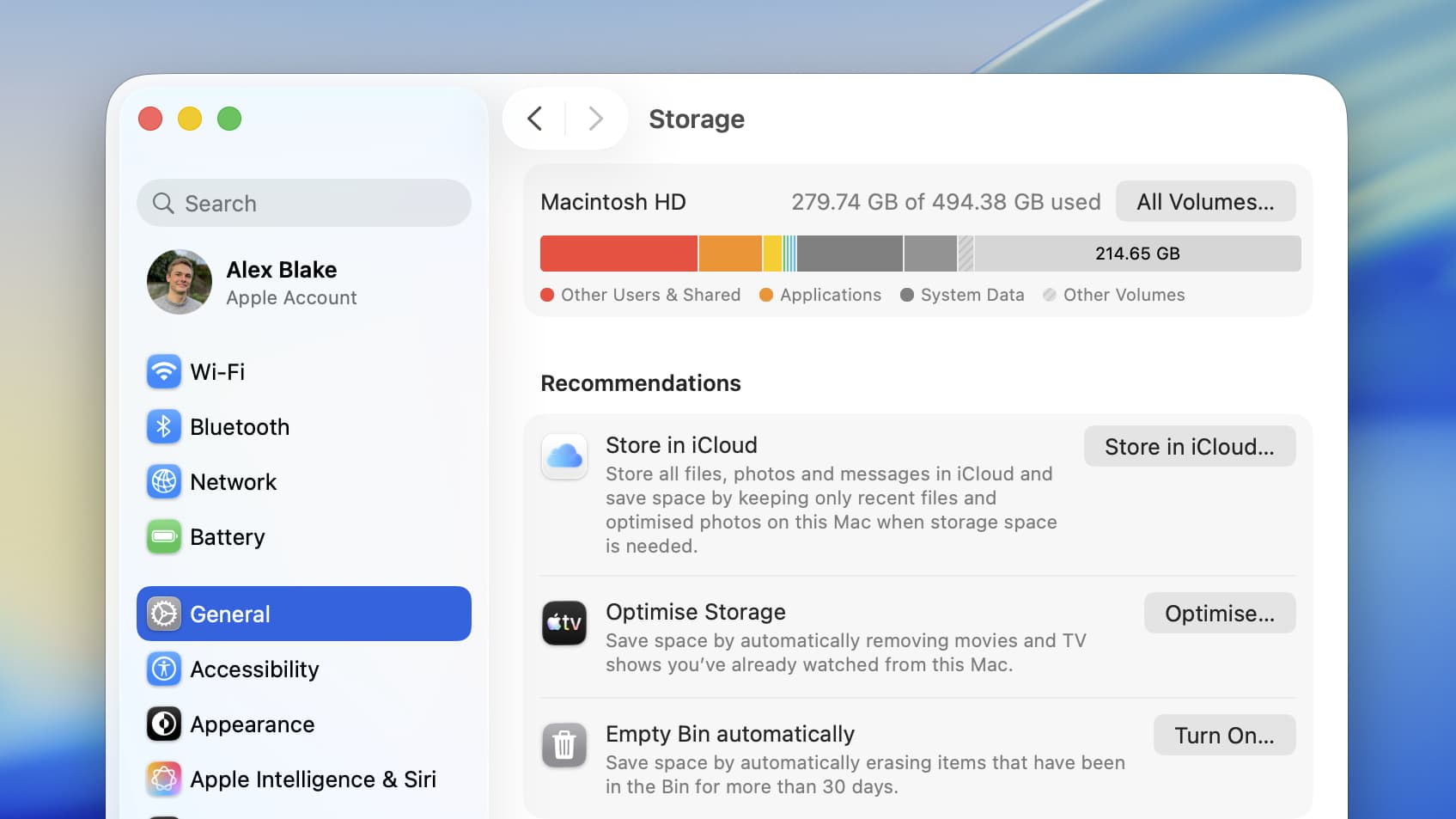
It’s a simple fact: the less free space your Mac’s storage drive has, the more sluggish your machine gets. If you’ve found your MacBook Neo has slowed to a crawl, it’s a good idea to check how much storage space you’ve got left by opening the System Settings app and making your way to General > Storage.
If it’s low, there are a few things you can do. The first is to look under the Recommendations section on the Storage page and click Optimize next to Optimize Storage. This will automatically remove things like Apple TV shows you’ve already watched. You can also offload files to iCloud (provided you have enough space), automatically empty the Trash, and more. All of these options cut down on the space used up by files on your Mac.
While you’re doing that, it’s worth shopping around for external storage drives and, once you have one, offloading hefty files onto that. Make sure you get an SSD rather than an HDD (also known as a hard drive), as the speed differences are incredible.
However, there’s one very important point to make here, and that’s on the value of configuring your Mac properly before you buy it. It’s very difficult (if not impossible) to upgrade your Mac’s internal storage, so you should make sure you equip your Mac with enough storage space before you pull the trigger. That way, you don’t need to worry about external SSDs or clearing out space on the regular.
2. Update macOS
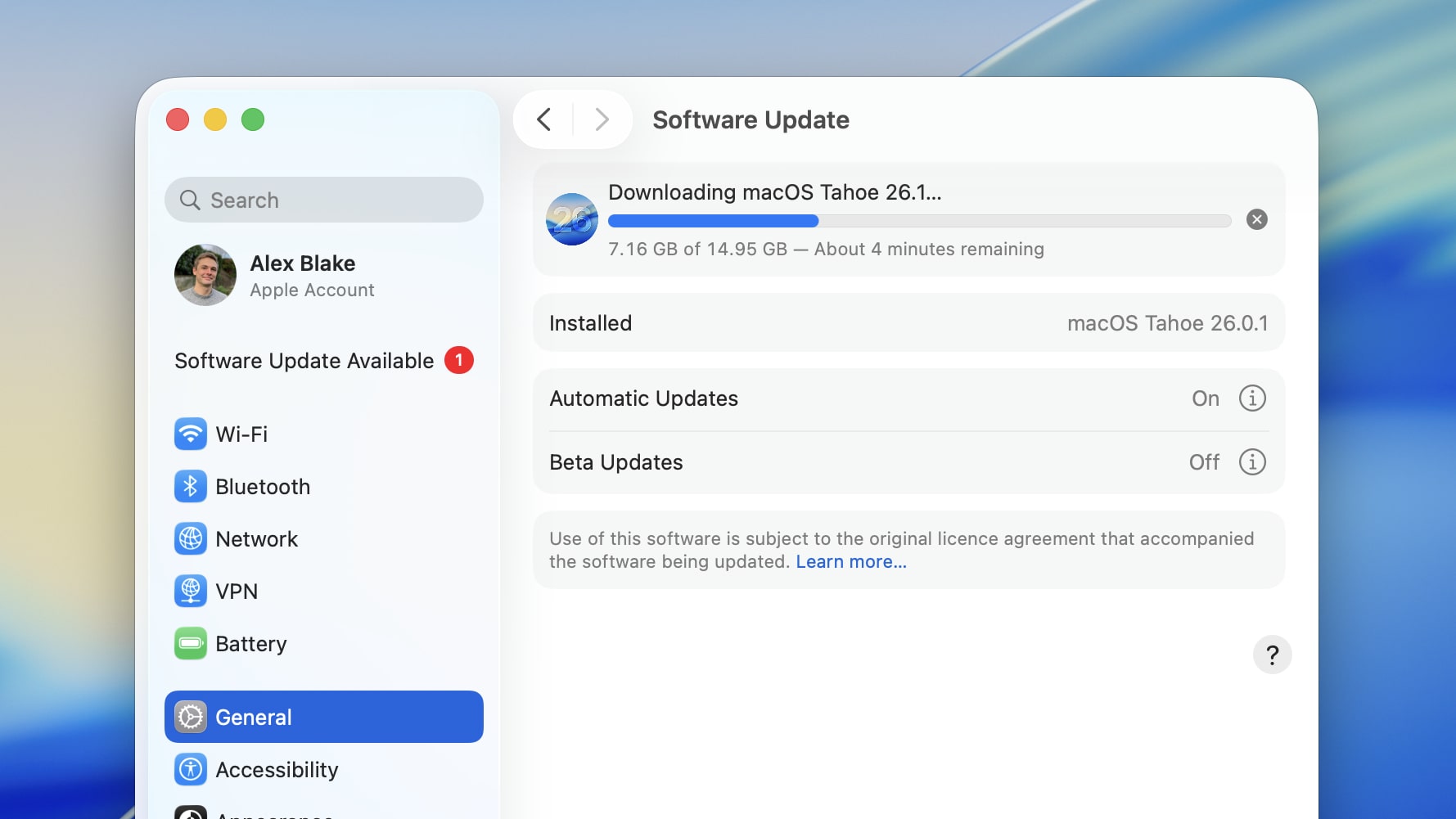
Updating your Mac is not just a good way to keep it protected from emerging threats — it also ensures you get the latest speed and performance fixes, too.
Apple makes a big fuss about all the new features it’s been working on when it reveals new macOS versions every year, but an underappreciated aspect of these updates is the way they can speed up your Mac’s performance. Apple regularly tunes its software to ensure it functions optimally, and that’s something you’re missing out on if you stick to older versions.
Before you get started updating your Mac, make sure you’ve backed everything up (perhaps using one of our picks for the best backup software) in case something goes wrong. Then open System Settings and go to General > Software Update, wait for the new version to appear, then click Update Now.
3. Restart your Mac
It can be tempting to forgo shutting down your Mac and simply close its lid when you’re done at the end of the day — indeed, one reason the power button on the Mac mini is so awkward to reach is because Apple knows most people don’t actually shut down their computers. But doing so has notable benefits and can help to improve your Mac’s performance, even if it’s only in a small way.
You see, when you shut down your Mac, macOS clears its memory, deletes unneeded temporary files and caches, restarts demanding processes, and allows some app updates to complete. All of those things benefit your Mac and help to improve its performance by removing elements that could be holding it back. Conversely, the longer you go without shutting down, the worse these problems can get.
If you don’t want to shut down your Mac for a prolonged period of time, even a simple restart will help. That allows all the processes above to work in the same way as shutting down.
There’s also the added bonus that shutting down your Mac means it’s not drawing on your battery. This can have performance benefits of its own, as Apple starts to automatically cut back on performance when your laptop is running out of juice.
4. App improvements
Generally speaking, macOS is an efficient operating system that’s pretty good at managing apps and preventing them from getting out of control. But that doesn’t mean you’ll be able to write off app-related problems altogether.
One way you can keep a leash on things is by regularly quitting apps you’re not using. We don’t just mean closing the main app window, as the app itself is still running when you do this. Instead, press Command + Q or click the app’s name in the menu bar, then click Quit, which closes the app entirely. By only having in-use apps open, you reduce the strain on your Mac’s resources.
Aside from that, you can make a concerted effort to use more efficient apps. Google Chrome, for example, might be one of the best web browsers, but it’s also notorious for hogging your Mac’s memory and battery life. Switch to an alternative browser, and you will likely feel the performance benefits right away.
5. Use the correct USB port

This might sound like an odd one — after all, the two USB-C ports on the MacBook Neo look identical. Why would there be any difference between them?
Well, in an effort to cut costs, Apple has used a cheaper, slower option for one of the ports. The USB-C slot closest to the trackpad runs at USB 2 speeds, which top out at 480 Mbps. The port closest to the MacBook’s hinge, meanwhile, is USB 3.0, which means it can hit speeds of up to 5Gbps. That’s a big difference.
If you’ve got anything plugged in that relies on fast transfer speeds — one of the external SSDs we mentioned earlier, for instance — you’ll definitely notice something is wrong if you’ve got it plugged in to the front USB-C port. Switch it to the back one, and its performance will increase substantially.
6. Login and background items
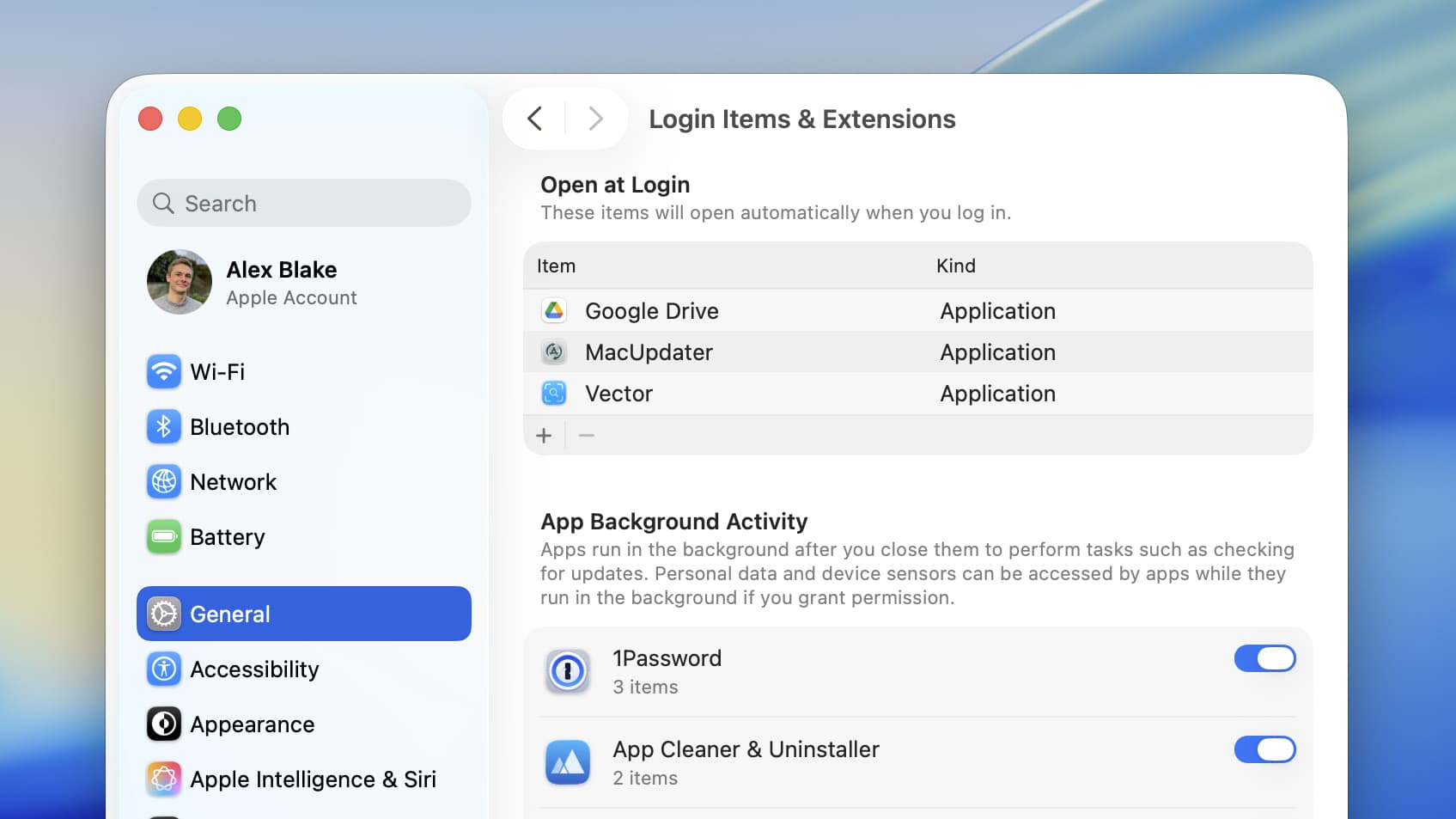
Every time you start up your Mac, a plethora of apps and processes fire up alongside macOS itself. These run the gamut from apps you’ve installed to automatic updaters and everything in between. Accumulate too many and your MacBook Neo will feel the strain.
Fortunately, there’s a simple way to fix this. Open the System Settings app and navigate to General > Login Items & Extensions. Under the Open at Login header, you’ll see everything that gets going once you’ve logged in to macOS. If you see something you don’t need anymore, click the minus button (-) at the bottom of the list.
Below this is a section titled App Background Activity. This governs which apps are allowed to launch background processes (such as checking for updates or syncing files to the cloud). Like login items, background activity can gobble up a lot of your Mac’s resources. As before, check through the list and disable anything you don’t need using the toggles on the right-hand side.
There’s also an Extensions section at the bottom of the window. This concerns extra functionality added by apps, and these sometimes run in the background. The impact of disabling these is likely to be minimal, but it’s worth having a look just in case. Click the i button next to each entry to see the relevant extensions and disable them if needed.
And if an app has started misbehaving, or if you’ve noticed macOS slow down for no discernible reason, try opening the Activity Monitor app (you can find it by pressing Command + Space and typing its name into the Spotlight search bar). Activity Monitor lists all open apps and processes and shows how much of your Mac’s resources they’re using, including memory, storage, CPU, and more.
On the CPU tab, for example, you can sort items by CPU usage, then close anything that’s out of control. Be careful here, though, and only close things if you know exactly what they are. Otherwise, you could risk causing an error in macOS.
7. Adjust visual settings
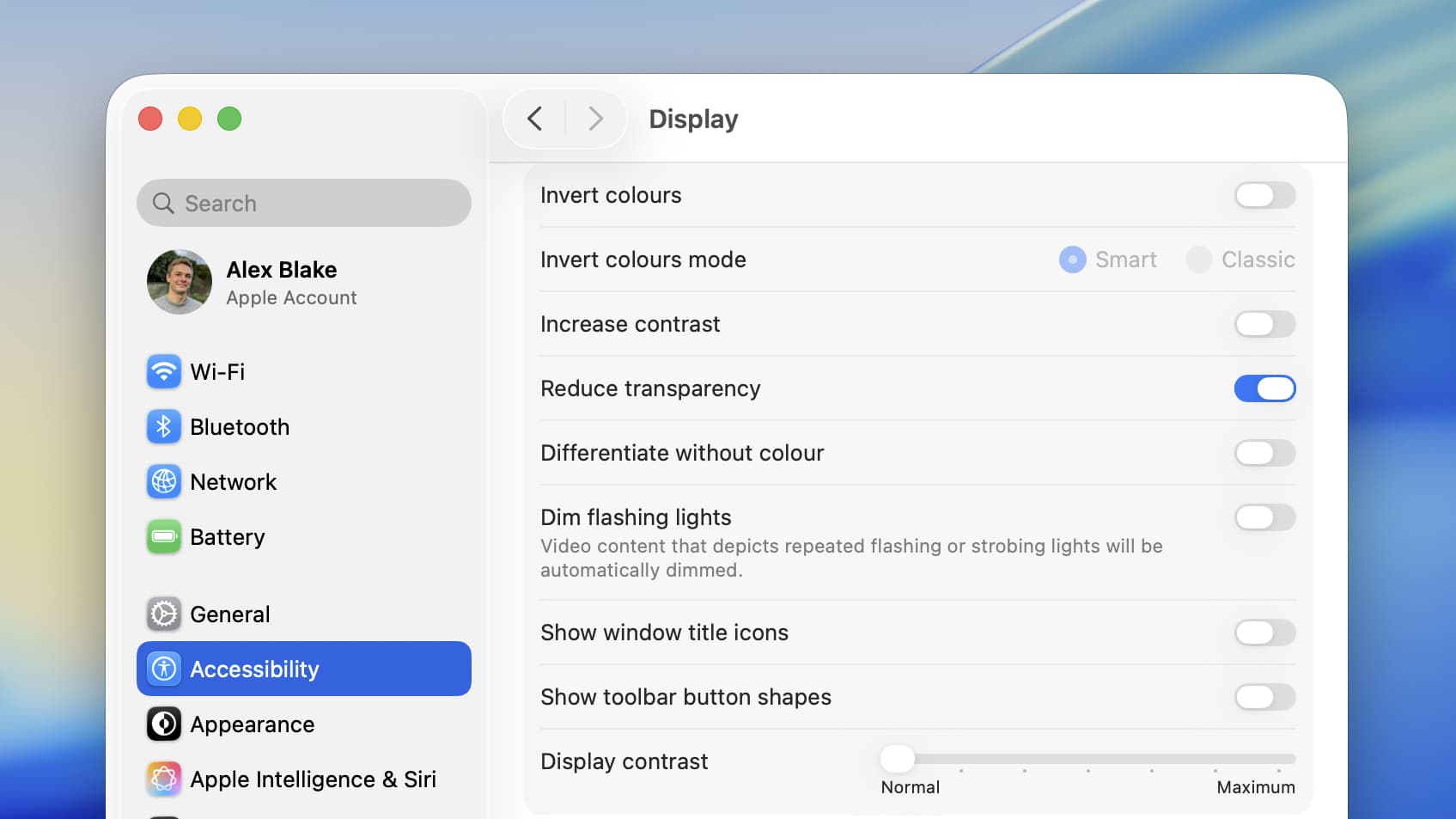
The macOS operating system isn’t overly flashy, but it does rely on a few visual effects (especially with the arrival of the Liquid Glass redesign in macOS 26). While there’s nothing overly taxing, you might want to rein some things in a bit to help your Mac run a little smoother.
One option is to cut down on motion and transparency effects. First, open System Settings and head to Accessibility > Display. There, enable the toggle next to Reduce transparency. This makes operating system elements — like menus and the Dock — opaquer, thereby reducing the load on your Mac’s graphics processor.
Now go back to Accessibility and click Motion, then enable the toggle by Reduce motion. As the name implies, this uses simpler animations and cuts out some motion altogether, such as when you open and close the Notification Center. Not only can this help you with motion sickness, but it also lessens the impact on your Mac’s chip, freeing up resources and helping to improve its output.
While all the above tips have focused on what you can do with your Mac itself, you can also level it up with a few third-party accessories. An external SSD is one we’ve already mentioned, and you shouldn’t underestimate how it can help with storage constraints.
Elsewhere, you might want to invest in a laptop cooling pad or similar solution if you’re frequently running things that get your MacBook Neo hot and bothered. Since this laptop doesn’t come with a fan, certain demanding tasks can cause it to overheat, which in turn leads to throttled performance. Granted, most people with a MacBook Neo aren’t likely to be crunching enormous datasets with their laptop, but you might find that keeping it cool leads to better performance from time to time.
Although it’s an extreme example, one YouTuber hooked up a custom water cooling rig to their MacBook Neo and claimed to have doubled its performance.
I Water Cooled the MacBook Neo and DOUBLED the FPS! – YouTube 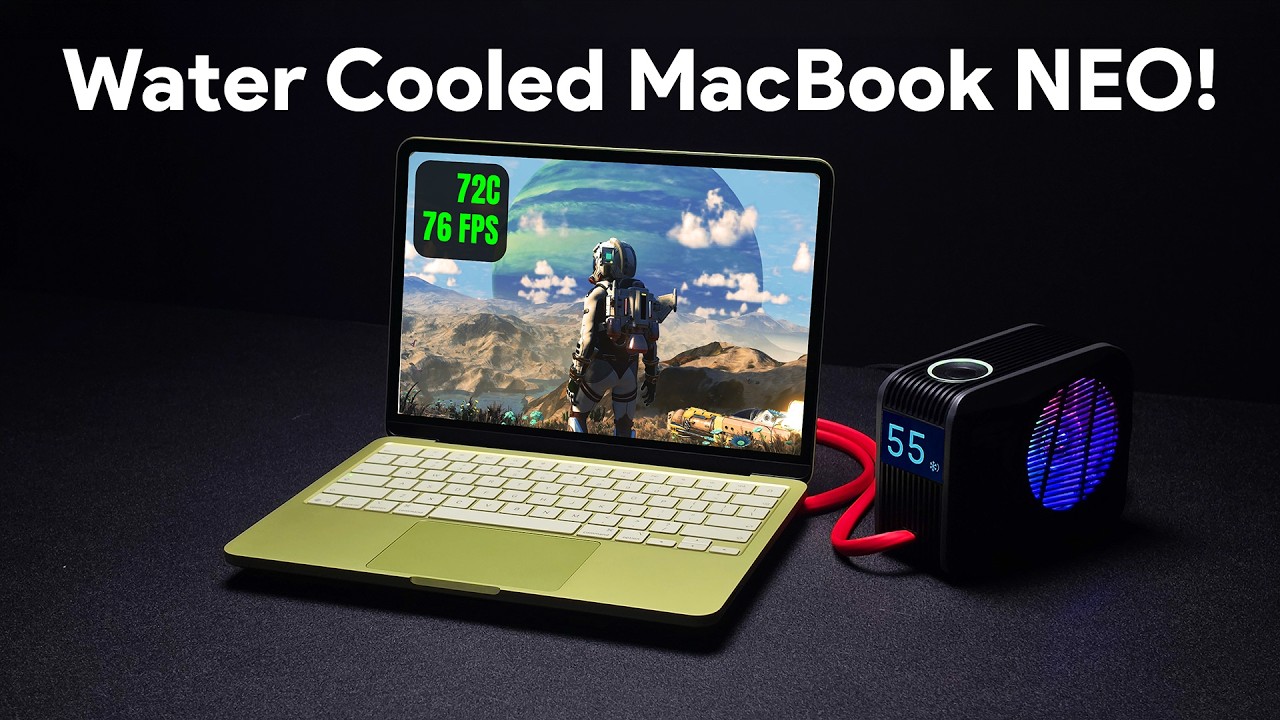
Watch On
We’re not suggesting you try anything like that, but it shows what’s possible with a well-cooled machine. A much simpler cooling pad or fan could therefore be a worthwhile investment.
Follow TechRadar on Google News and add us as a preferred source to get our expert news, reviews, and opinion in your feeds. Make sure to click the Follow button!
And of course you can also follow TechRadar on TikTok for news, reviews, unboxings in video form, and get regular updates from us on WhatsApp too.
