

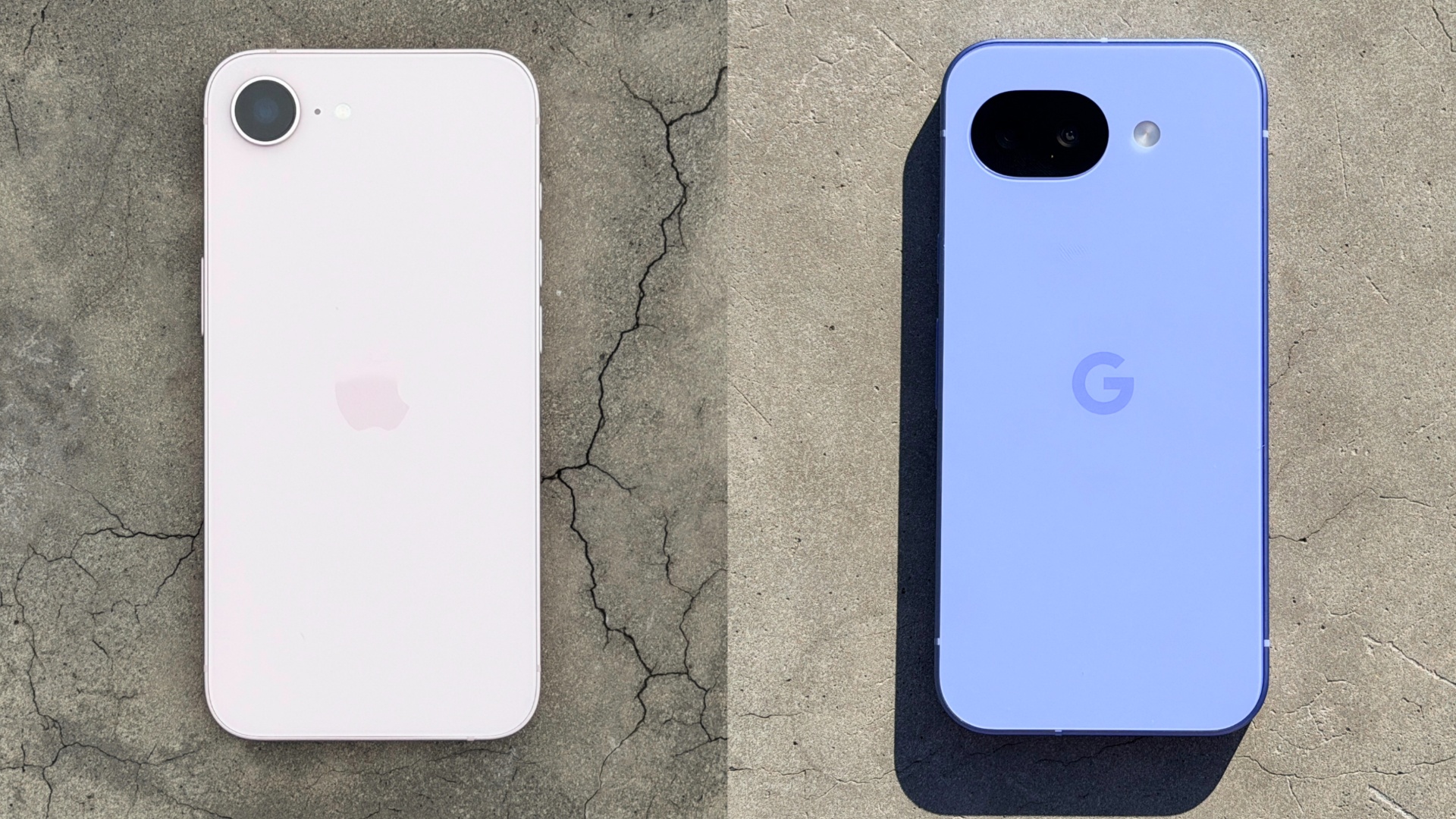
The iPhone 17e is a powerful, long-lasting iPhone that comes with a generous amount of storage as standard, but neither its display nor cameras can match those on the Pixel 10a.
Pros
- A19 chip is plenty fast
- MagSafe compatibility
- Strong battery life
Cons
- Only a single rear camera
- No always-on display or 120Hz
The Pixel 10a boasts better camera hardware and a smoother display than the iPhone 17e, but it falls short on power and lacks the iPhone’s magnetic accessory compatibility.
Pros
- Pro-level display
- Two flexible cameras
- Long battery life
Cons
- No magnetic accessory compatibility
- Tensor G4 chipset isn’t all that powerful
The iPhone 17e and Google Pixel 10a are good examples of that shift – both aim to give you the core experience of their flagship siblings without asking flagship money, but they get there in very different ways.
On paper, the Pixel 10a makes the louder case for value, undercutting the iPhone on price, giving you a bigger and smoother display, and adding extra camera flexibility that budget buyers will actually notice day to day.
Article continues below
The iPhone 17e, meanwhile, leans on familiar Apple strengths: strong performance, long battery life, generous base storage, and the appeal of staying inside the wider iPhone ecosystem.
So, which cheap phone actually makes more sense in 2026? We’ve compared the iPhone 17e and Pixel 10a across price, design, display, cameras, performance, battery life, and software support to find out.
iPhone 17e vs Google Pixel 10a: specs comparison
Before we dig into the details, here’s an overview of both phones’ key specs:
Swipe to scroll horizontally
| Header Cell – Column 0 |
iPhone 17e |
Google Pixel 10a |
|---|---|---|
|
Dimensions: |
146.7 x 71.5 x 7.8 mm |
153.9 x 73.0 x 9.0 mm |
|
Weight: |
169g |
183g |
|
Display: |
6.1-inch OLED |
6.3-inch Actua |
|
Refresh rate: |
60Hz |
60Hz-120Hz |
|
Peak brightness: |
1,200 nits |
3,000 nits |
|
Chipset: |
A19 |
Google Tensor G4 |
|
RAM: |
8GB |
8GB |
|
Rear cameras: |
48MP wide |
48MP wide, 13MP ultra-wide |
|
Front camera: |
12MP |
13MP |
|
Battery: |
4,005mAh (unofficial) |
5,100mAh |
|
Charging: |
20W wired, 15W wireless |
45W wired, wireless Qi |
|
Storage: |
256GB, 512GB |
128GB, 256GB |
iPhone 17e vs Google Pixel 10a: price and availability
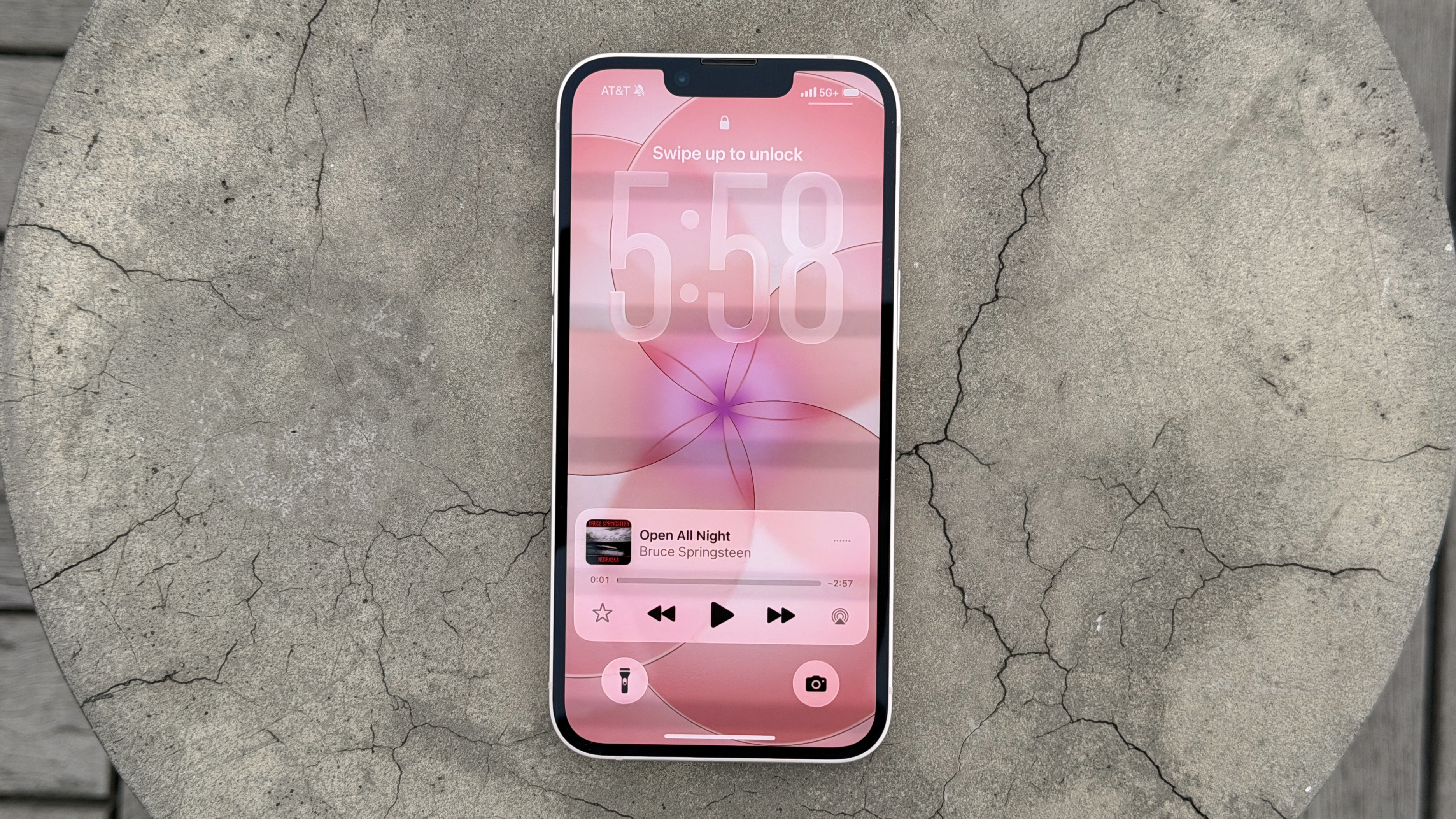
The Pixel 10a is the cheaper phone at launch, starting at $499 / £499 / AU$849, while the iPhone 17e starts at $599 / £599 / AU$999. Both are available globally.
Apple’s counter is storage. The iPhone 17e starts at 256GB, whereas the Pixel 10a starts at 128GB, so the gap narrows once you compare like for like.
Move up to a 256GB Pixel 10a, and you are effectively in iPhone 17e territory on price, which makes Apple’s higher entry cost easier to justify than it first appears.
Still, in a straight budget-phone comparison, the Pixel 10a has the stronger opening argument.
Winner: Pixel 10a
iPhone 17e vs Google Pixel 10a: design
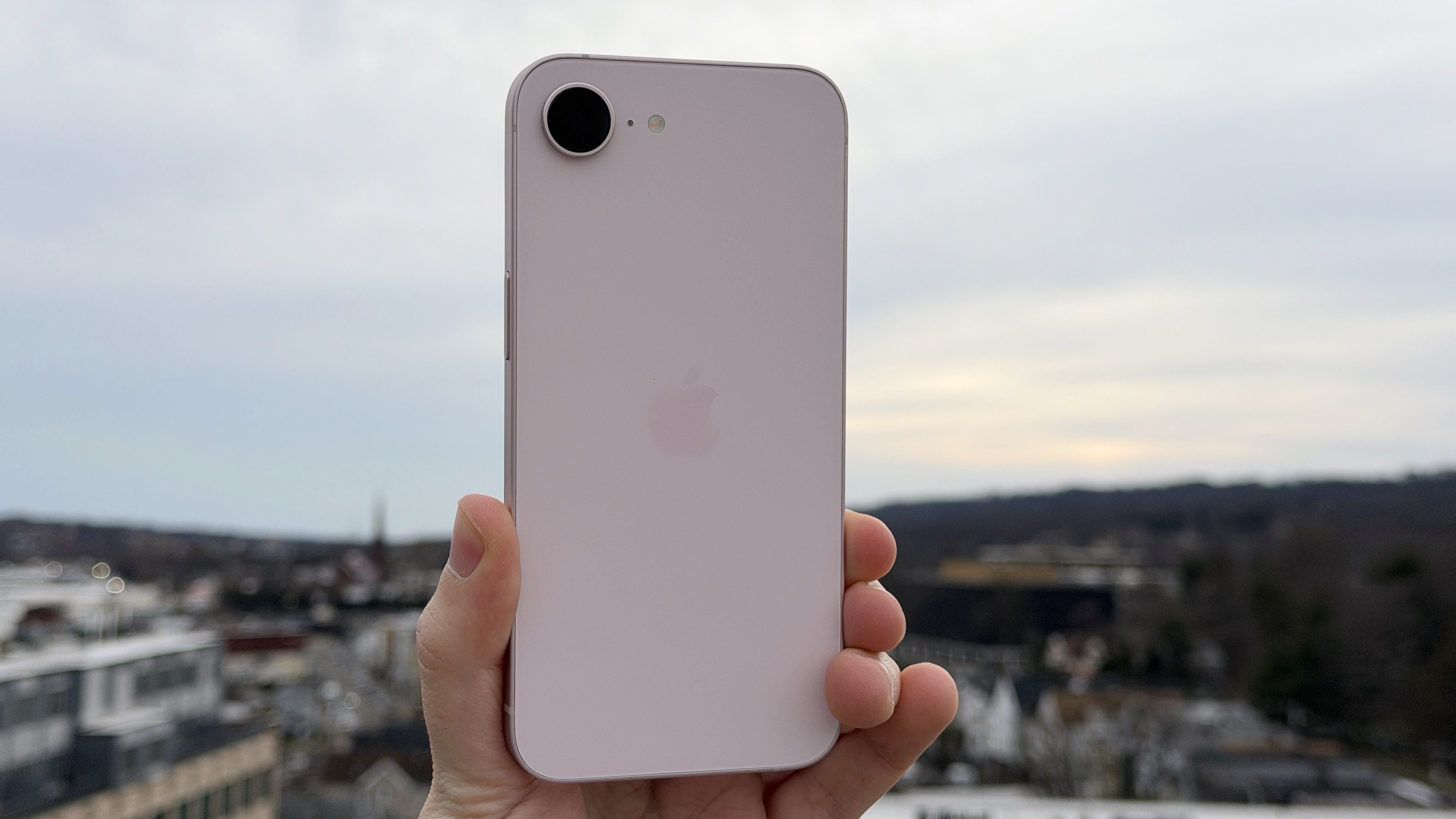
Apple has kept the iPhone 17e close to the familiar iPhone formula: it’s got a compact 6.1-inch build, an aluminum frame, Ceramic Shield protection, and IP68 water and dust resistance.
The 17e is also the lighter of the two phones, which counts for a lot if you want something that disappears in the hand and pocket rather than constantly reminding you it’s there.
The Pixel 10a goes in a slightly different direction: while it is larger and heavier, its completely flat back and lack of a camera bump give it a cleaner, more practical shape than most modern phones.
This distinctive rear design also helps it stand out in a market full of near-identical rectangular slabs, even if the iPhone still feels a touch more premium in the hand. You don’t lose out on the iPhone’s IP68 durability rating either.
Ultimately, then, this one comes down to taste, but the Pixel 10a’s flush design feels more original and more useful day to day than Apple’s safer approach.
Winner: Pixel 10a
iPhone 17e vs Google Pixel 10a: display
This is one of the easier sections to call.
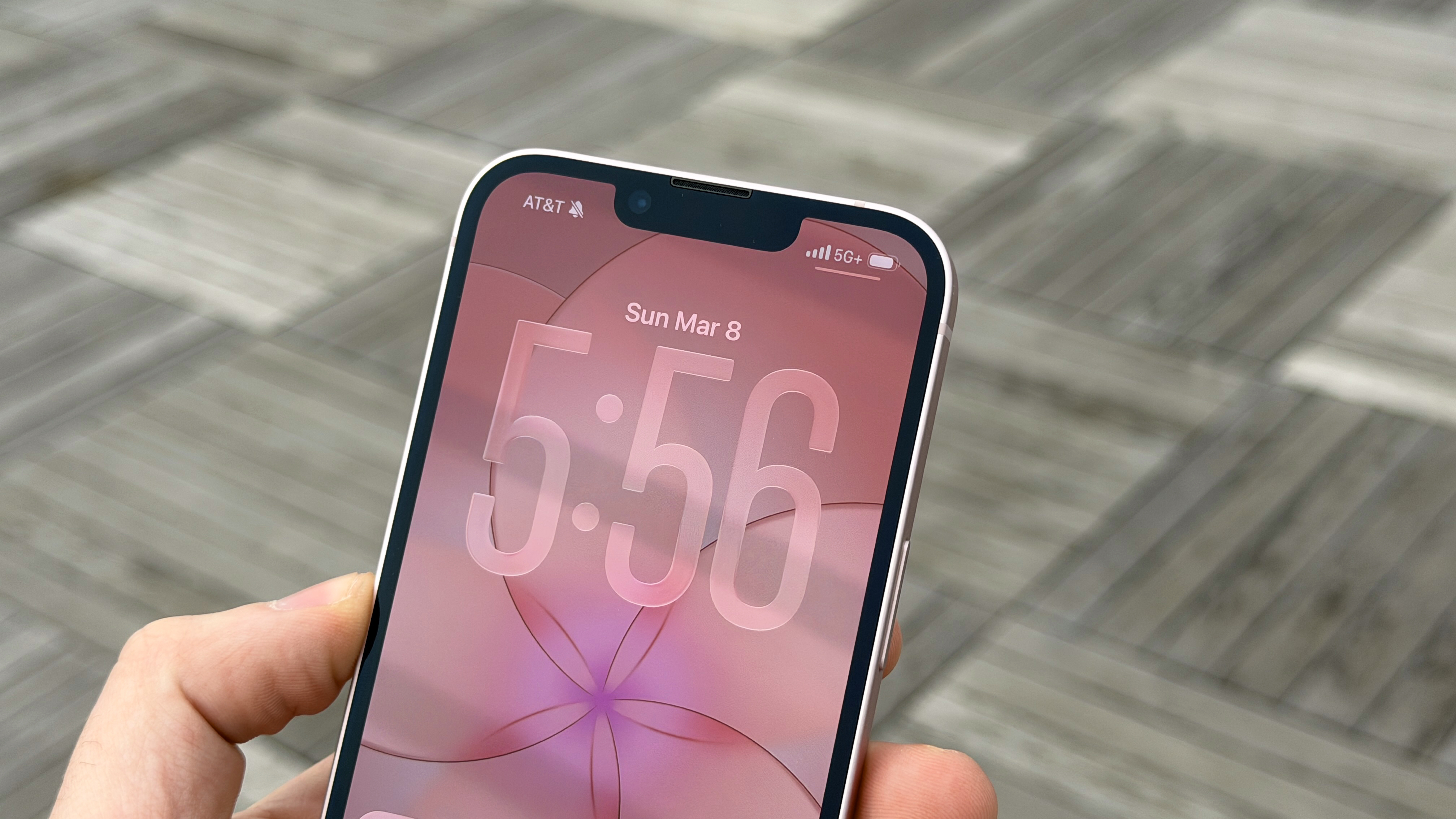
The Pixel 10a gives you a larger 6.3-inch display, a 120Hz refresh rate, and far higher peak brightness, while the iPhone 17e sticks with a smaller 6.1-inch screen and a 60Hz panel.
In everyday use, that leaves Google’s phone feeling smoother, punchier, and better suited to bright outdoor viewing.
That is not to say the iPhone 17e has a weak screen: its OLED panel should still look sharp, crisp, and colourful enough for most people, and Apple rarely gets the basics wrong here.
The problem is that, in 2026, 60Hz is no longer easy to excuse on a phone at this price when a direct rival offers a noticeably slicker experience for less. To get a 120Hz screen on an iPhone, you’ll have to spend upwards of $799 / £799 / AU$1,399, but Google is offering that experience for $499 / £499 / AU$849.
Winner: Pixel 10a
iPhone 17e vs Google Pixel 10a: cameras
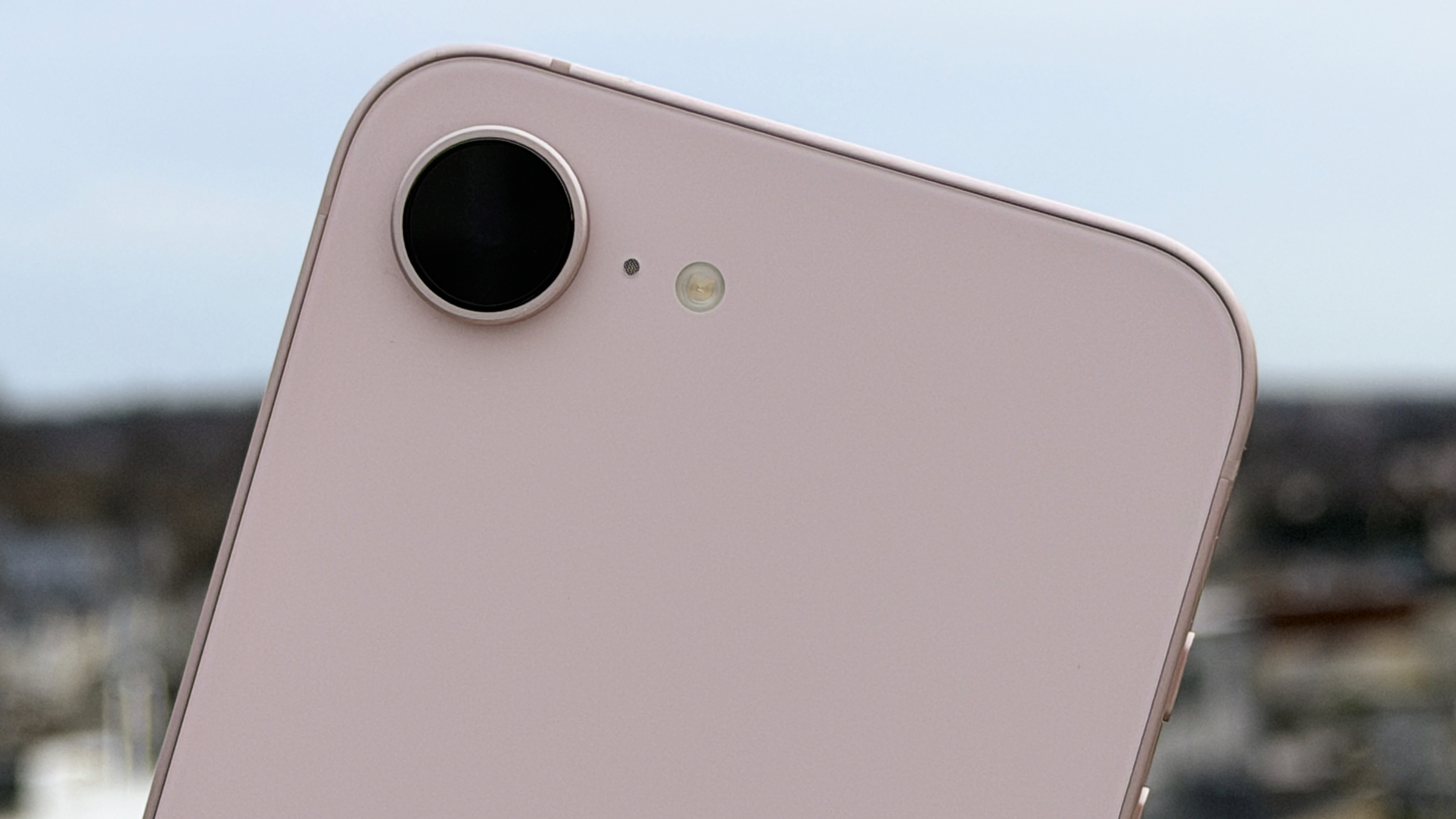
Google’s Pixel 10a has the more versatile camera setup.
Both phones use a strong 48MP main camera, but the Pixel backs that up with a 13MP ultra-wide, while the iPhone 17e relies on a single rear lens and sensor cropping for its 2x option.
For anyone who likes shooting landscapes, buildings, or tighter indoor scenes, that extra lens gives the Pixel an immediate advantage.
The iPhone 17e is, however, still impressive if your photography is mostly centred on the main camera. Apple tends to be reliable for quick point-and-shoot photos and video, and the 17e adds improved portrait tools on top.
Even so, in a comparison like this, the Pixel 10a offers more hardware to play with without forcing you up to a pricier model.
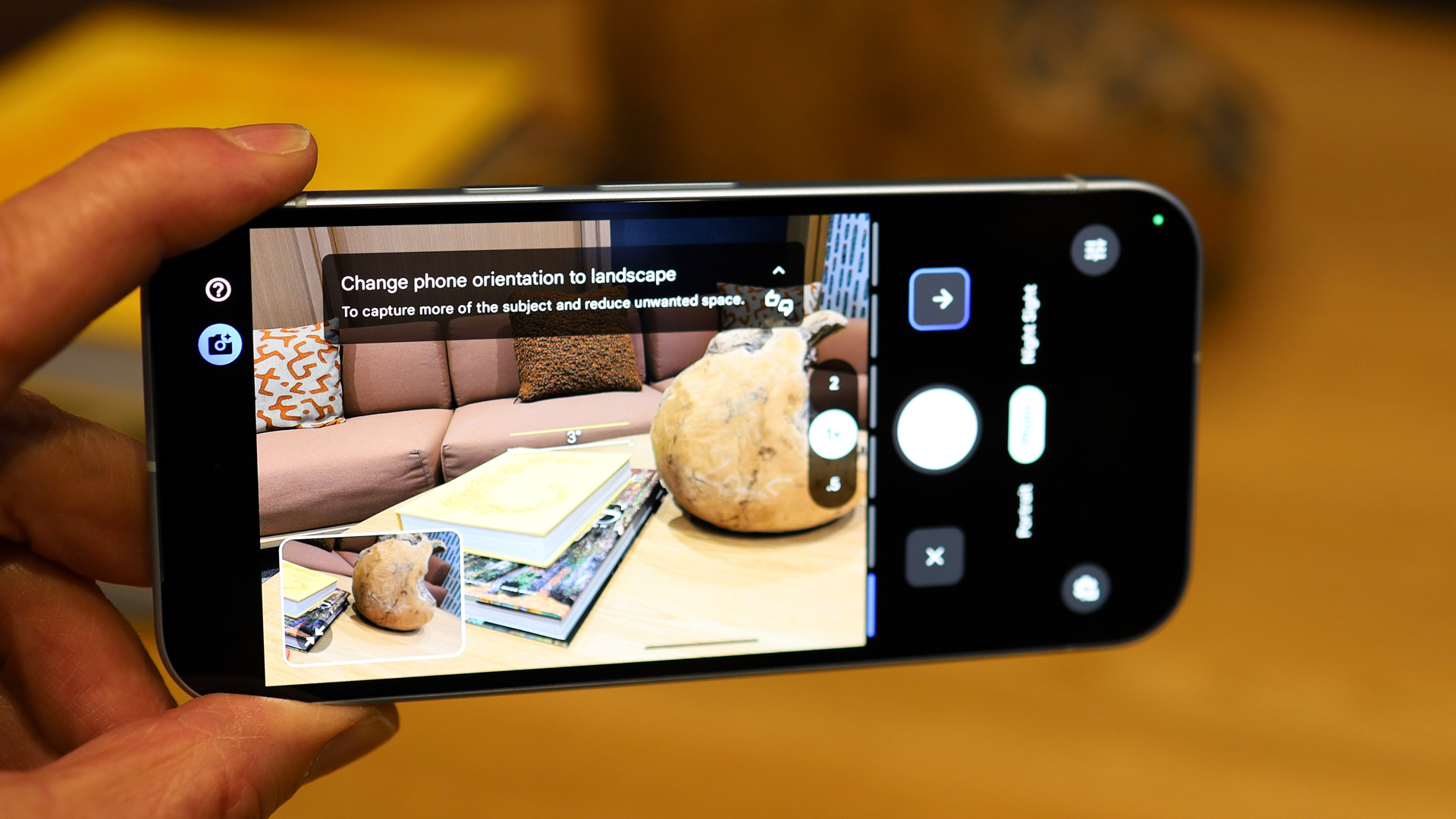
You’ll also get some neat software features like Camera Coach (above) on the Pixel 10a, which uses AI to help improve your photo-taking abilities. There’s no such feature on the iPhone 17e.
Winner: Pixel 10a
iPhone 17e camera samples

Google Pixel 10a camera samples

iPhone 17e vs Google Pixel 10a: performance and software
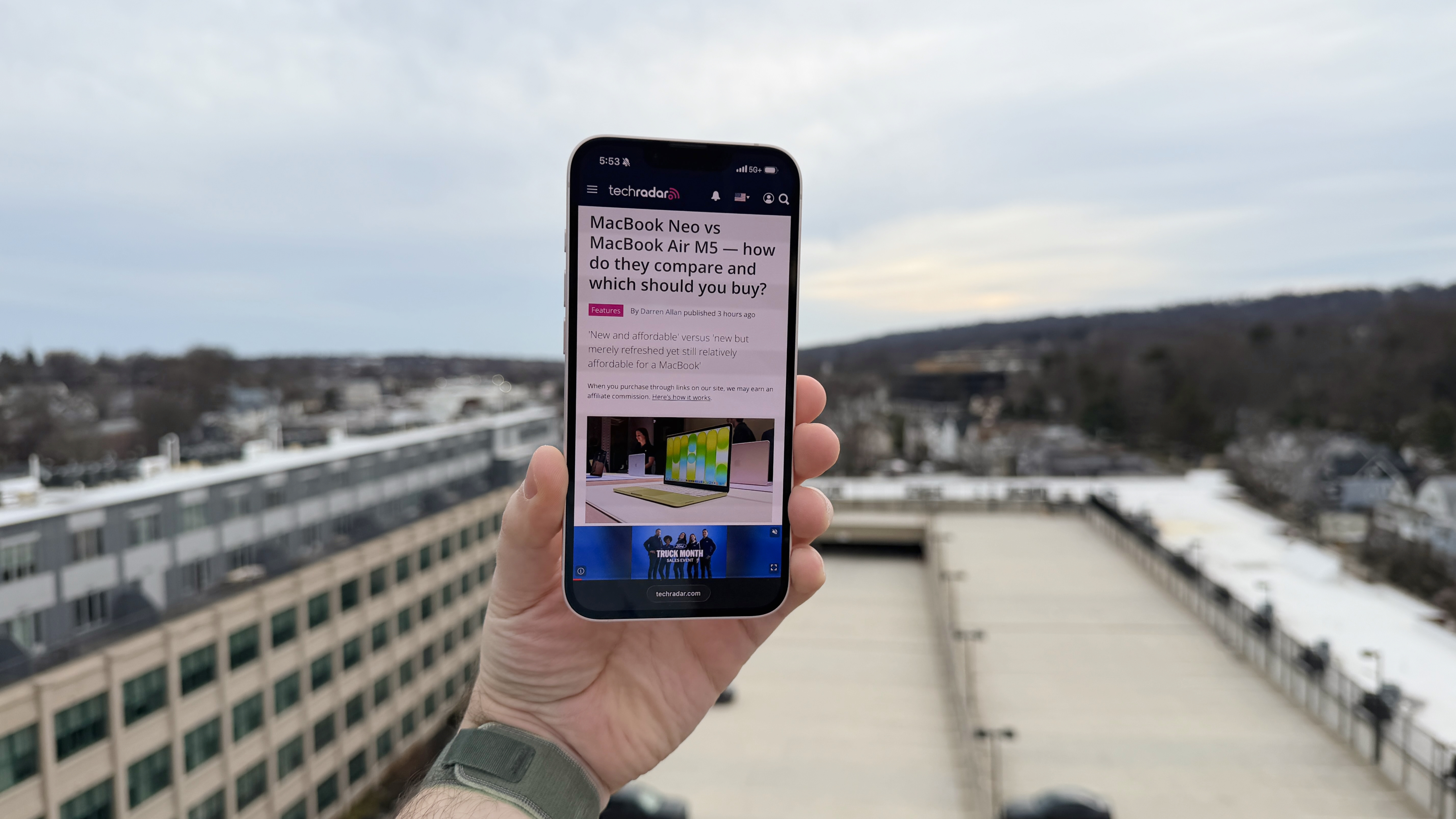
Apple takes the lead (finally!) on performance.
The iPhone 17e runs on the Apple-made A19 chip, and that alone gives it the stronger long-term case if you want a cheap phone that should still feel fast a few years down the line. For reference, the excellent iPhone 17 also uses this chipset, so you won’t be left wanting for power.
Google’s Pixel 10a uses the older Google-made Tensor G4 instead, which is perfectly serviceable for everyday apps and tasks — you won’t have any problems scrolling through TikTok or watching YouTube — but AI processes like image editing or summarization take a bit longer, especially if they’re handled on-device. The same goes for video exports or more intensive photo edits.
The Pixel 10a is more convincing on the software side. It offers a plethora of genuinely useful AI tools, including Call Screen, which automatically screens unknown callers, or Hold for Me, which lets Google Assistant wait in a queue so you don’t have to. Google’s Magic Eraser tool is also miles better than Apple’s Clean Up equivalent.
The Pixel 10a comes with Android 16 as standard, and Google promises seven years of software and security updates, which is still one of the strongest support commitments in this part of the market.
Apple, meanwhile, is known for supporting its iPhones for many years, and the same is likely to be the case with the iPhone 17e. iOS 26 is also impressively slick and easy to use, but it lacks the breadth of AI features that you’ll find on the Pixel 10a.
The Pixel 10a, then, has the more impressive software pitch, but the iPhone 17e is the faster and more capable phone overall. If you’re a keen mobile gamer, it’s the better pick of the two phones.
Winner: iPhone 17e
iPhone 17e vs Google Pixel 10a: battery
The battery life battle is a close-run affair.
The Pixel 10a has a much bigger battery than the iPhone on paper (5,100mAh vs 4,005mAh), and we easily made it through a full day of replying, photo-taking, and light gaming while using the phone. In our lab tests, the Pixel 10a lasted for 15 hours and 16 minutes.
Mind you, the iPhone 17e also offers decent battery life, despite the smaller size of its cell (you can thank that A19 chipset), and as our review notes, it likewise made it through a full day of use with ease, “even on busier days filled with video exports, FaceTime calls, and plenty of texting while on the go.”
Charging helps separate the two phones a little.
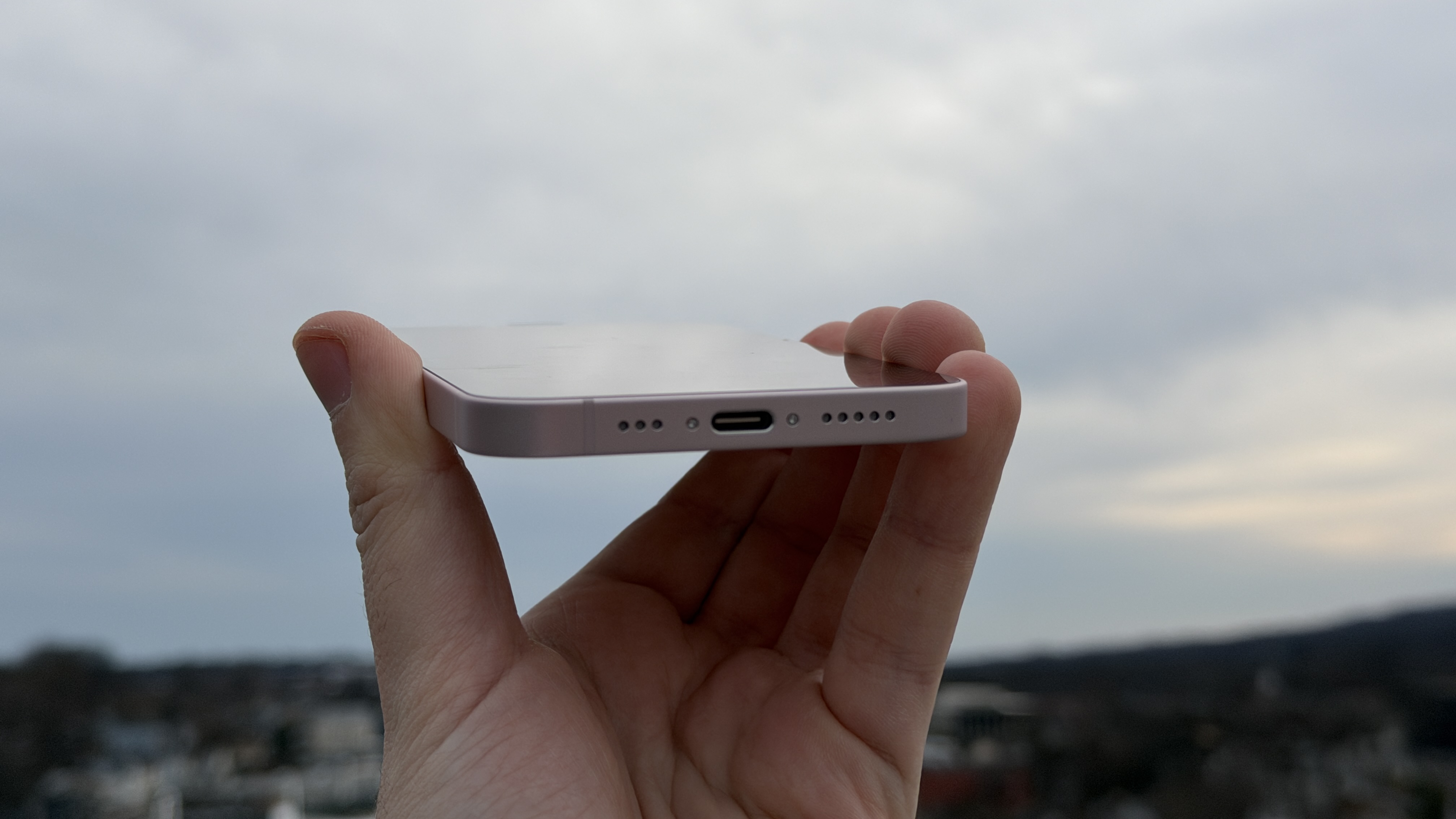
The Pixel 10a supports 30W charging via USB and wireless charging up to 10W, though it doesn’t feature any MagSafe-style ring system, so you won’t be able to stick any accessories to the back of the phone.
The iPhone 17e, meanwhile, does support Apple’s excellent MagSafe system (which wasn’t true of the iPhone 16e) and wireless charging up to 15W. USB-C charging is a little slower than on the Pixel, at 20W, but that’s offset by the greater versatility brought about by the iPhone 17e’s MagSafe compatibility.
Overall, then, there are battery-related pros and cons to both phones, so you’ll need to decide which aspect (endurance or charging) you value most.
Winner: Tie
iPhone 17e vs Google Pixel 10a: verdict
The Pixel 10a makes more sense for more people.
Google’s budget smartphone is cheaper to buy, has the better display, offers more camera flexibility, and feels like the stronger value pick if you are simply trying to get the most phone for your money in 2026.
But the iPhone 17e still has a clear audience, and is the better choice if you want the comfort and security of iOS, stronger chipset performance, or the reassurance of staying inside Apple’s wider ecosystem (MagSafe, too, is a big plus).
Apple also softens the price gap by starting at 256GB, which makes the 17e look less expensive than it first seems once storage enters the conversation.
Taken as a straight cheap-phone comparison, though, the Pixel 10a comes out ahead. It gives up less, costs less, and feels more competitive in the areas that matter most.
Overall winner: Google Pixel 10a
Follow TechRadar on Google News and add us as a preferred source to get our expert news, reviews, and opinion in your feeds. Make sure to click the Follow button!
And of course you can also follow TechRadar on TikTok for news, reviews, unboxings in video form, and get regular updates from us on WhatsApp too.
