

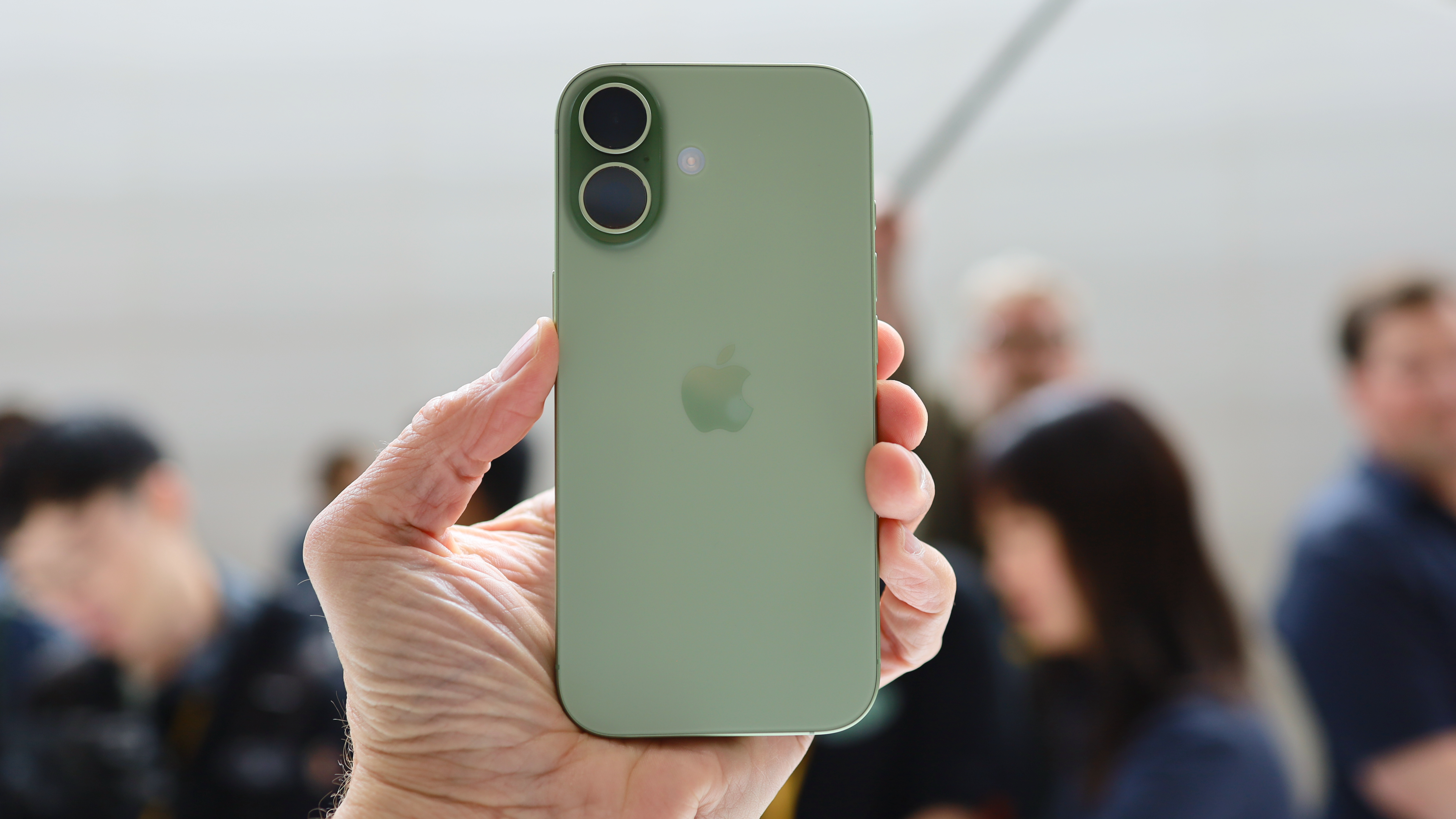
When it comes to US and UK smartphone sales in 2026, Apple is going to win. According to Counterpoint Research, Apple achieved half of all mobile shipments in the US in Q3 2025. In the UK, Uswitch reports that Apple had a market share of 48.5% in September 2025. And while Apple’s lead might fluctuate, it has been constant in both countries for years, and is overwhelmingly likely to continue.
Despite this near-certainty, Apple spent 2025 pushing the iPhone forward in multiple ways – some overdue, and some surprisingly forward-thinking. The iPhone 17 is the best base-model iPhone in years, the iPhone 17 Pro Max has begun its reign as the best iPhone and best camera phone, and the iPhone Air made waves as Apple’s first thin and light flagship and the first real challenger to the Samsung Galaxy S25 Edge.
The iPhone 17 Pro and iPhone 17 Pro Max got a flashy new 48MP 4x telephoto camera, while the standard iPhone 17 inherited the iPhone 16 Pro’s 48MP ultra-wide camera. Additionally, the entire iPhone 17 series received big battery upgrades, as well as a new 18MP Center Stage selfie camera. Nice work, Apple!
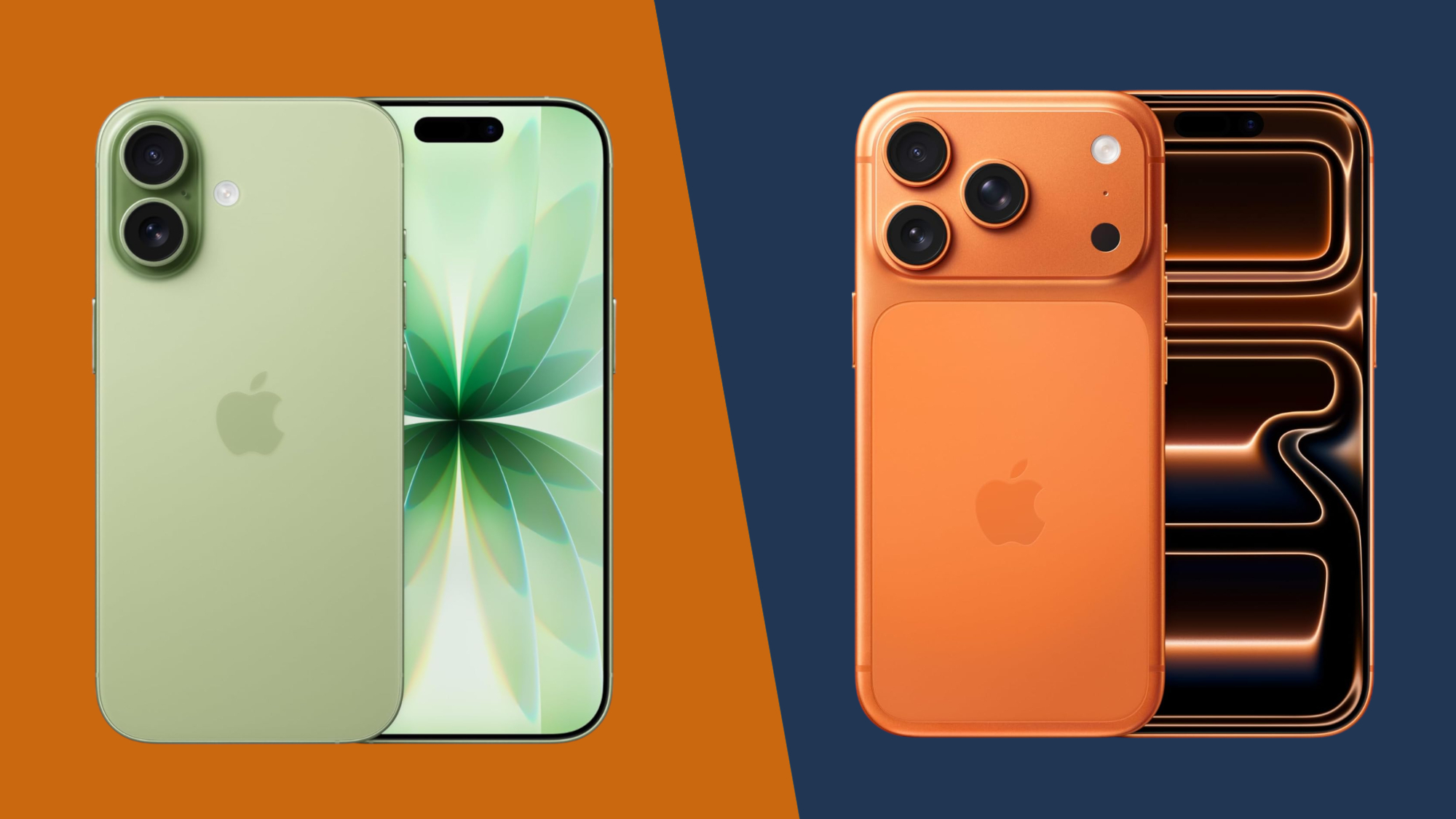
As mentioned, this was all especially impactful for the standard iPhone 17, which now sports two high-resolution rear cameras, Apple’s cool new selfie camera, a 120Hz refresh rate panel, and a large enough battery to power through the day confidently (performance is still spectacular thanks to the A19 chipset, but this has been the case for a few generations now).
In other words, after years of leaning on the smoothness and familiarity of iOS, the iPhone 17 has finally caught up to the general standard of the Samsung Galaxy S25 and Google Pixel 10 when it comes to hardware.
Now, as discussed, Apple doesn’t really have a business imperative to keep up with Samsung and Google’s mobile hardware (beyond following the needs of the average user) – but I wouldn’t be doing my job if I didn’t expect more from the world’s most valuable phone maker.
For me, the key thing is to keep making the base-model iPhone better. Despite my praise and our glowing iPhone 17 review, I don’t think Apple’s work is done when it comes to its standard model handset, and the iPhone 17 Pro and iPhone 17 Pro Max are already so powerful that I don’t think Apple really needs to worry about providing a huge upgrade next year. So, what should Cupertino add to its standard flagship?
You could point to the iPhone’s 8GB of RAM as lagging behind the 12GB offered by the Samsung Galaxy S25 and Google Pixel 10, but Apple is famously pretty good at making less RAM go further. Then there’s Apple Intelligence, which is noticeably less powerful than either Galaxy AI or Google Gemini, but can be boosted with over-the-air updates.
No, for me, the answer is simpler and more obvious – give the base-model iPhone a telephoto camera.
I’m not saying that Apple’s $799 / £799 / AU$1,399 handset needs the iPhone 17 Pro’s 48MP 4x camera – it’s in Apple’s interest to keep some distance between the regular iPhone and Pro models, and the company often touts the Pro’s zoom capability as a key reason to upgrade.
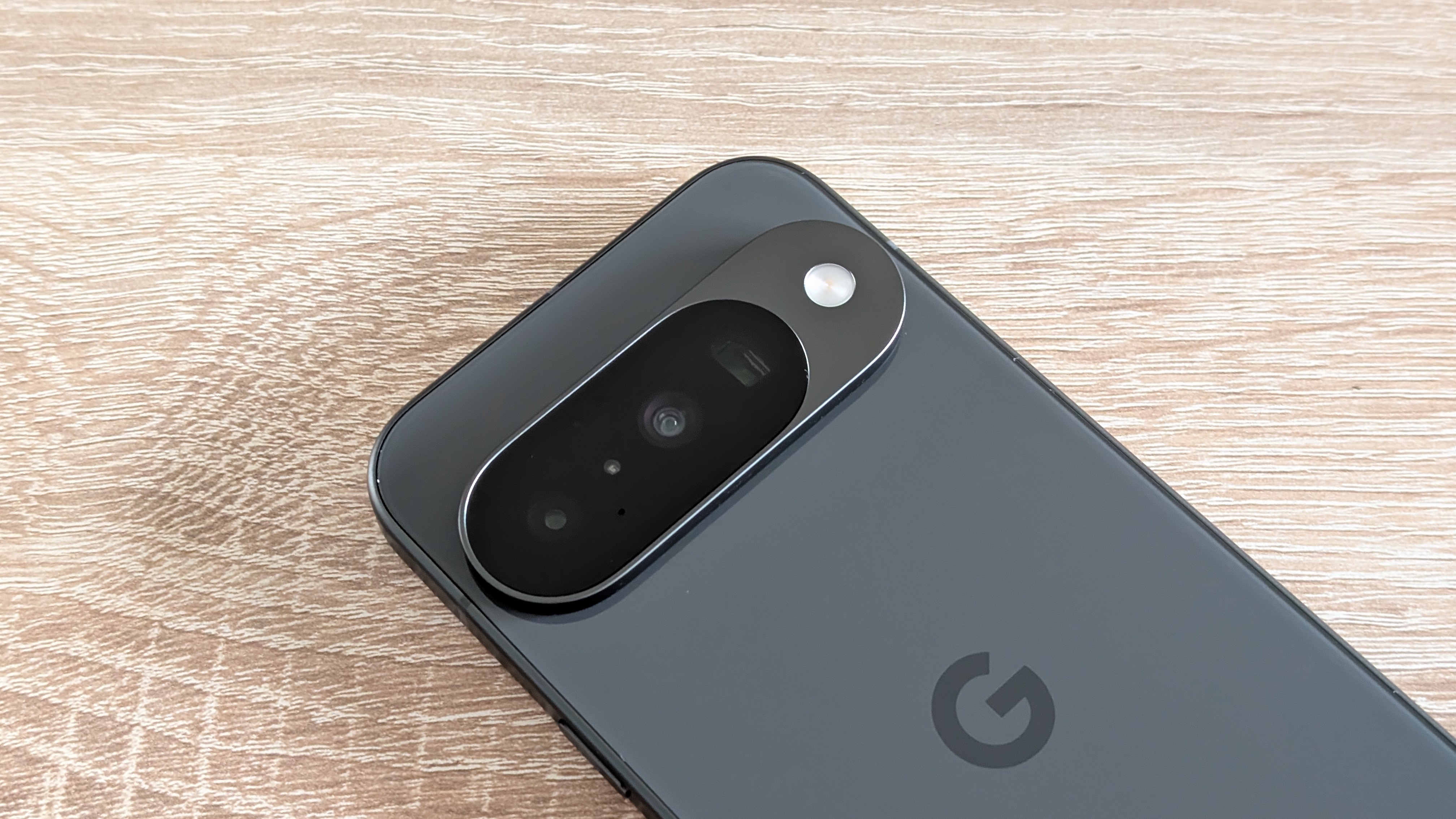
But considering the Google Pixel 10’s brand-new 5x telephoto camera and the Samsung Galaxy S25’s trusty 3x telephoto camera, the iPhone 17 is outclassed on both fronts when it comes to optical zoom. It’s one of the last things a fan or critic can point to as objectively worse on the iPhone – in most other areas, the iPhone is on par or ahead of its Android rivals.
Perhaps Apple could equip the iPhone 18 with a telephoto camera lifted from an older model if it must keep its price ladder intact – the iPhone 14 Pro’s 12MP 3x telephoto camera, for instance, could be a good fit, giving standard iPhone users the ability to take higher-quality photos at range, or more natural portraits due to the flatter lens.
I’d also like to see the standard iPhone continue to receive battery updates – the iPhone 17 sports a cell with an approximate 3,700mAh capacity, which is still smaller than the Galaxy S25’s 4,000mAh battery, and much smaller than the Google Pixel 10’s 4,970mAh cell. The iPhone 17 performed well in our Future Labs battery test, offering just over 11:37 of battery life – which definitely qualifies for “all-day” status, but doesn’t quite match the Samsung Galaxy S25 (11:54) or Google Pixel 10 (12:25).
So, that’s my take – Apple should keep focusing on the base-model iPhone next year (or in 2027, which some rumors suggest is when the iPhone 18 will arrive). Another generational step like the one we got in 2025 would make the iPhone 18 a true rival to Samsung and Google on the specs sheet as well as the sales charts.
Follow TechRadar on Google News and add us as a preferred source to get our expert news, reviews, and opinion in your feeds. Make sure to click the Follow button!
And of course you can also follow TechRadar on TikTok for news, reviews, unboxings in video form, and get regular updates from us on WhatsApp too.

Comments are closed, but trackbacks and pingbacks are open.