

- Scammers are taking advantage of the holiday season to trick shoppers, experts warn
- Convincing ads, URLS, storefronts aim to entice customers to enter card details
- Parcel scams encourage shoppers to give away their personal information
Christmas shopping can be pretty stressful, but it’s not just important to get the right present – but due to the rise of online scams, it’s also important to keep your money safe and make sure your purchases are legitimate.
Around 86% of Brits say they’ve seen ads from ‘unfamiliar retailers with scam-related URLs’ this holiday, so we know these sites are around, and they’re ramping up ahead of the sale season.
Research from McAfee has revealed this year’s top scammer tactics for tricking shoppers, with top brands being impersonated with fake ads, copied storefronts, and bogus URLs in a bid to fool distracted browsers.
Most faked brands
Most commonly, the impersonated brands are ones you trust and ones that are popular around the holidays – high demand, limited edition items, luxury brands, and popular tech.
The fake websites created by scammers will appear legitimate, and trick many shoppers into entering their payment details.
Criminals will focus on the brands they know people love and (crucially) are willing to pay high prices for. For luxury brands, this means the top five most impersonated brands are Coach, Dior, Ralph Lauren, Rolex, and Gucci.
Scam URLs around other brands also pop up, with consumer brands like Apple, Nintendo, Samsung, Disney, and Steam standing out as particular targets for criminals. Huge demand for new products like the Switch 2 and new phones or tablets from Samsung and Apple.
If it seems like you’re seeing these more often than before, you’re not alone. Almost one in five (19%) admit they’ve fallen for a scam at least once this season, but 29% of us believe we can spot them when they pop up.
AI risk
What’s different this year is the rise of AI. You can no longer trust photos, videos, or reviews, and 58% of us are more worried this year than last.
“Scammers have always taken advantage of the holiday rush to exploit people looking for deals, but AI has made it easier for them to copy trusted brands with speed and accuracy that is hard to spot,” said Vonny Gamot, Head of EMEA at McAfee.
“From imposter websites and fake products to convincing emails and texts designed to pull people in, scammers today are using AI to create some of the most believable social-engineering tricks we’ve ever seen. The best protection is to slow down and verify what you see.”
Keep safe from these scams by double checking the URL, doing another search for the site on a separate tab if you have any doubts, and going directly to a retailers site instead of going through an ad – and remember, if a deal sounds too good to be true, it probably is.
Parcel problems
Unfortunately, the scams don’t stop there. Even if you’ve ordered something from a legitimate site you might still be at risk. Research from NetVoucherCodes shows that UK couriers are expecting 1.29 billion parcels – so there’s plenty of opportunity.
Parcel scams are one of the easiest ways for criminals to scam shoppers. At this time of year, with the popularity of online shopping, pretty much everyone will have a parcel arriving at some point or another. Criminals know this, and will prey on that anticipation.
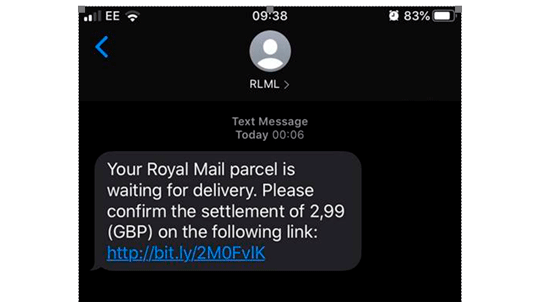
You’ve probably already received a ‘missed delivery’, ‘phantom parcel’ or ‘incomplete address’ scam – but when you are actually expecting a parcel, it’s pretty easy to fall for. Remember, genuine couriers will not ask you to pay a fee through text to receive your parcel, and you can always contact your retailer for help.
The easiest way to avoid these scams is to never click the links sent in these texts or emails, double check the sender, and take note of the tracking number originally sent – keep an eye on your parcel through the legitimate site with that number.
Unfortunately, the answer to staying safe is just being vigilant and knowing the tricks these scammers use. Don’t put your card details in until you are sure the site is legitimate, and be extra careful with your personal information around this time of year.

Comments are closed, but trackbacks and pingbacks are open.