

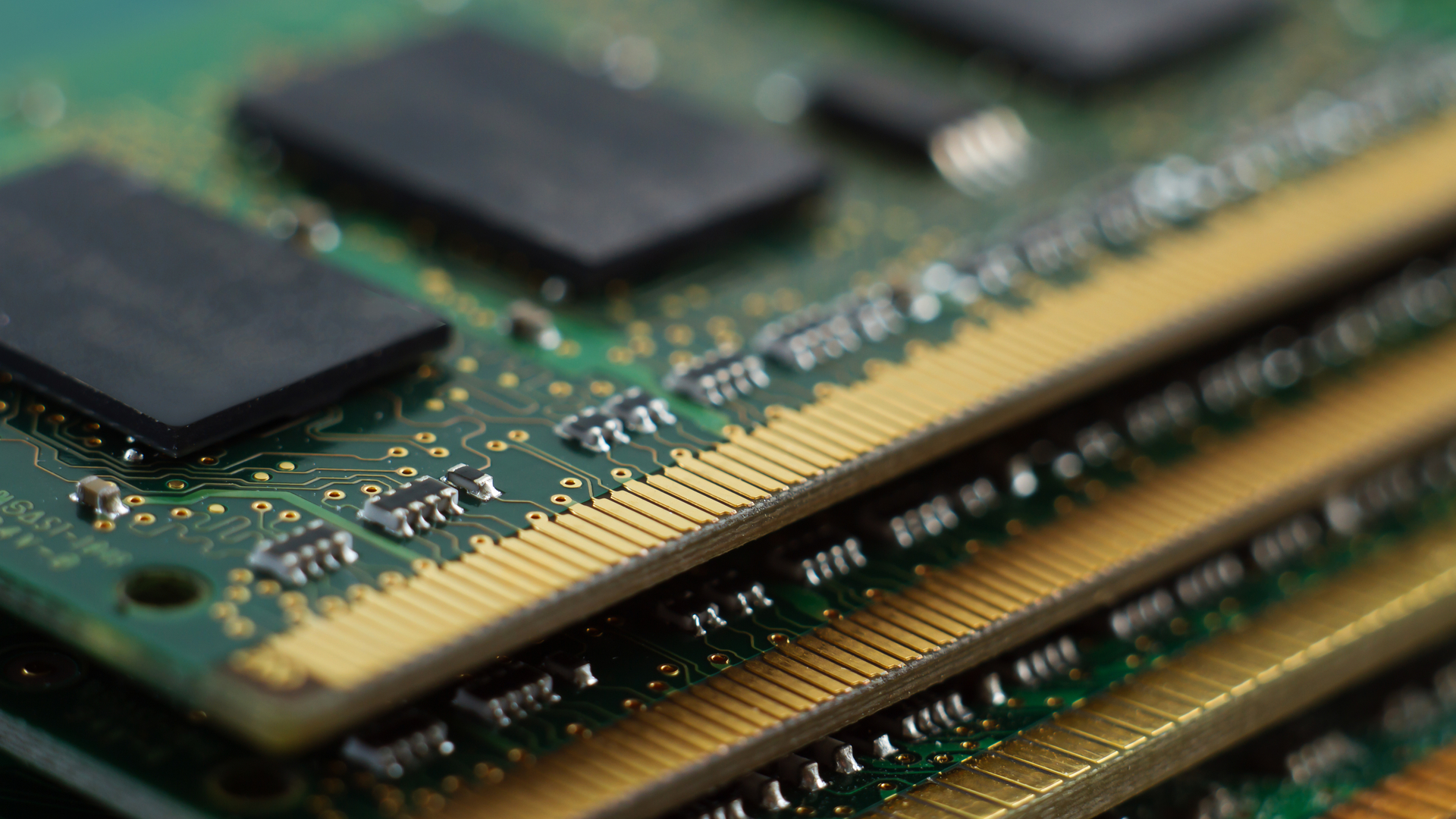
- RAM could soon get more expensive
- This is due to the disruption of shipping in the Strait of Hormuz
- Specifically it pertains to problems with the supply of hydrofluoric acid, used for etching and cleaning in RAM production
There could be another complication for the RAM supply chain coming soon, bringing the prospect of even pricier memory sticks.
We’ve heard before that disruptions to shipping in the Strait of Hormuz are a problem for the supply of certain vital chemicals used in memory production. And now, The Elec reports (via Tom’s Hardware) that this ongoing situation is going to usher in further price hikes which are described as an ‘Iran-linked supply shock’.
The Elec notes that hydrofluoric acid, which is used for etching and cleaning in RAM production, is increasing in price due to the core ingredient, anhydrous hydrogen fluoride, becoming more expensive – it’s leapt by 40% since 2026 began.
The upshot is that while the increases have been absorbed and not passed on thus far, this won’t continue to be the case. Come late June or July, South Korean memory chip makers Samsung and SK Hynix will be paying more for this acid – and the price hike will be a ‘significant’ one.
As The Elec explains, the supply problems here can be traced back to a shortfall in sulfur, with the global supply of that element dropping by almost a third due to the issues with the Strait of Hormuz. The core ingredient for hydrofluoric acid requires sulfuric acid for its production, hence the knock-on effect from the major supply wobble with sulfur.
Analysis: under pressure (yet again)

With the suppliers of hydrofluoric acid charging memory chip makers more due to their rising costs, the RAM manufacturers will naturally be passing those costs on, and the bill will, in the end, land in the hands of buyers out there.
In short, with manufacturing set to become more expensive in about a month’s time, we’ll see more RAM price increases. (Of course, there’ll be a delay in terms of the memory chips being made, and then actually deployed in sticks, and shipped to retailers, OEMs and the like).
Unfortunately, this is another lesson in how the disruption of global trade and shipping can, and inevitably does, have far-reaching effects. Of course, the last thing the RAM industry and consumers need is yet another pricing pressure on the cost of memory, which has got stupidly expensive as it is.
This kind of news makes you wonder whether the RAM crisis will ever end, and current predictions are that it’s likely to make its presence felt until 2028 (at the very least). That said, we heard a more optimistic take from an ex-Samsung boss just yesterday, but this runs against the grain.


Follow TechRadar on Google News and add us as a preferred source to get our expert news, reviews, and opinion in your feeds.
