

TechRadar Verdict
The Osmo Mobile 8P addresses the Osmo Mobile 8’s only real weakness — the lack of a remote control — and adds a meaningful tracking upgrade in the process. The FrameTap remote is a useful tool, and the Module 2 tracks brilliantly. A few control trade-offs hold it back from perfection, but this is arguably the best folding smartphone gimbal available right now.
Pros
- +
Excellent stabilization for its size
- +
Includes remote control
- +
DockKit, module, and app-based tracking
Cons
- –
Less control immediacy than OM 8
- –
Module 2 lacks built-in DJI microphone support
Why you can trust TechRadar We spend hours testing every product or service we review, so you can be sure you’re buying the best. Find out more about how we test.
DJI Osmo Mobile 8P: two-minute review
When I reviewed the DJI Osmo Mobile 8 in November 2025, the only real criticism I had for it was its lack of a remote control. With the Osmo Mobile 8P, DJI has gone and fixed that issue — and in doing so has produced what I’d call the most capable lightweight smartphone stabilizer on the market right now.
The headline addition is the Osmo FrameTap, a detachable remote that snaps magnetically onto the gimbal handle for close-up work and slides off for remote shooting (with a range of up to 25m). Its 1.4-inch touchscreen can mirror your phone’s camera view — directly on Android, via the Mimo app on iOS — so you can frame shots, trigger tracking, and adjust the gimbal’s pan and tilt without having to peer at your phone’s screen. It’s a feature that the Osmo Mobile 8 was crying out for, and a match for the touchscreen remote that made the Hohem iSteady V3 Ultra one of my favorite gimbals of 2025.
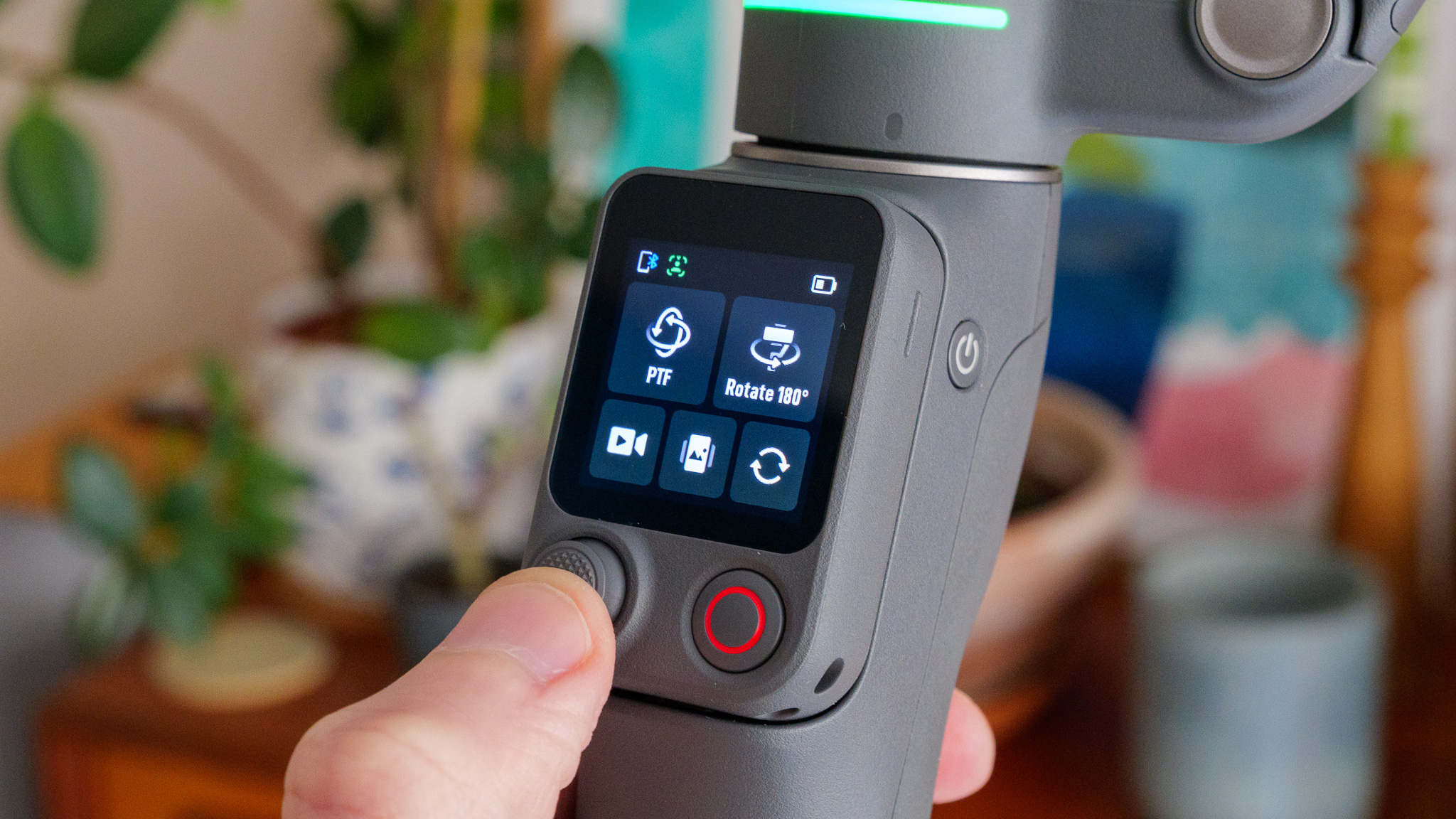
In most other respects, the 8P is virtually identical to the Osmo Mobile 8: it has the same foldable form factor, built-in extension rod and mini tripod, magnetic phone clamp, 360° pan rotation, and up to 10 hours of battery life. DJI claims the OM 8P’s 8th-generation three-axis stabilization delivers 20% more torque than the OM 8’s, and while I don’t doubt that on paper, I’d be surprised if most users noticed any difference in everyday shooting. The stabilization is smooth and dependable, as you’d expect from any modern DJI gimbal.
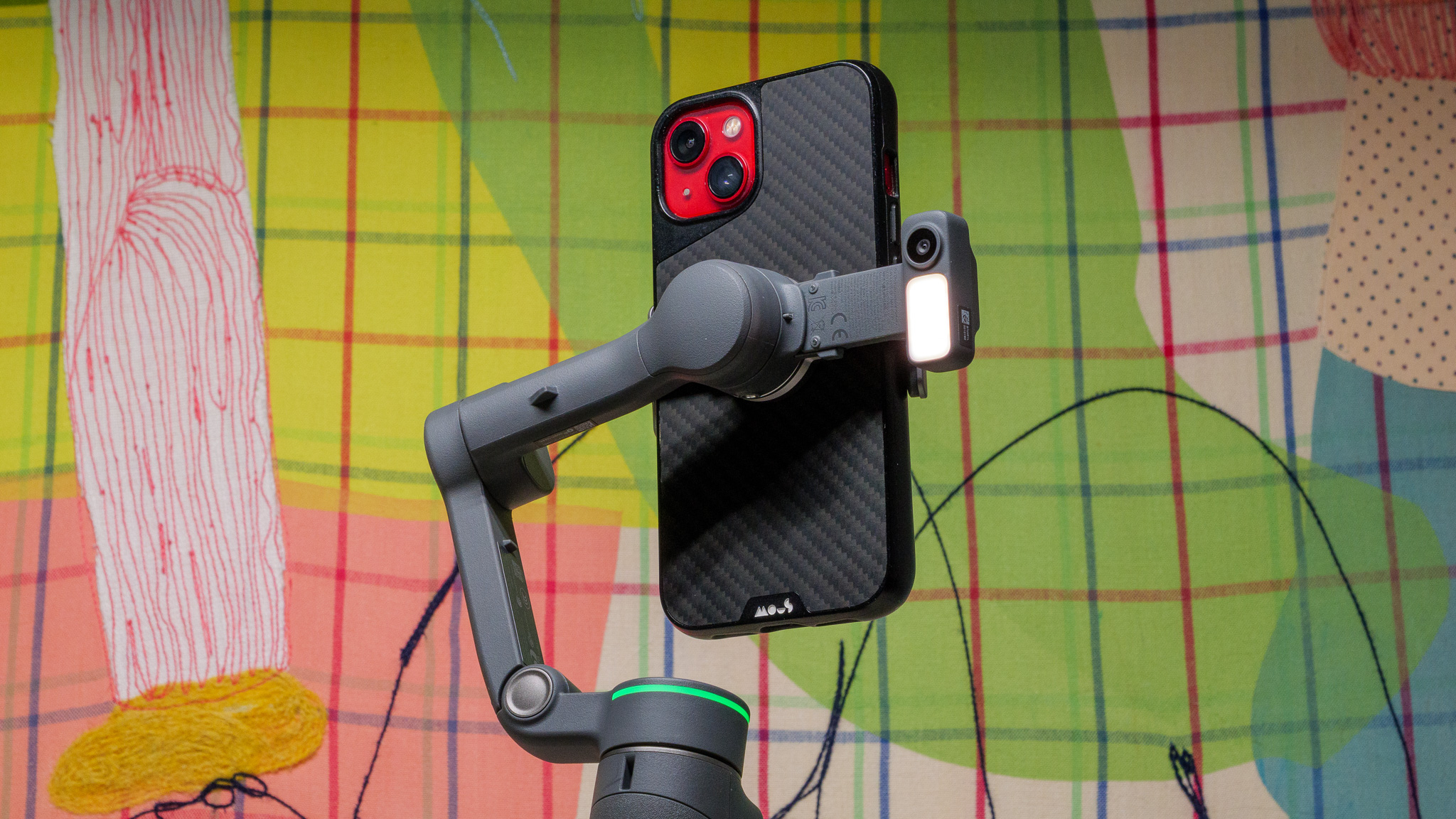
Where the 8P is more meaningfully upgraded is in its tracking skills. The Advanced Tracking Combo bundle I reviewed pairs the gimbal with the 2nd-Generation AI Tracking Module (officially the Multifunctional Module 2), which can now follow virtually any object — not just people and pets, but vehicles and more — using your phone’s native camera or any third-party app. It also features a highly customizable LED fill light.
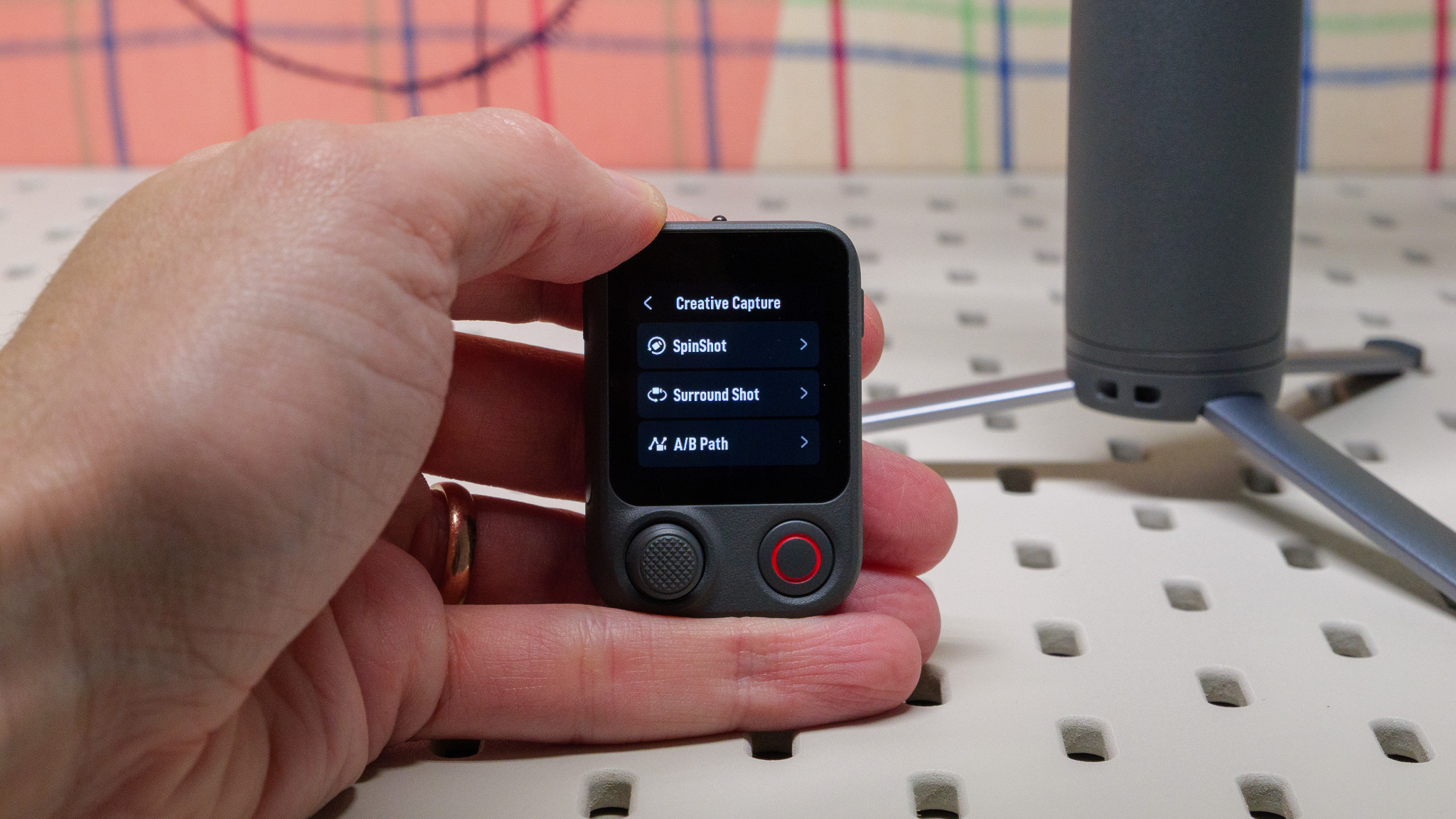
In testing, ActiveTrack 8.0 (only available through the Mimo app) and the Module 2’s own tracking were both excellent, reliably re-acquiring me even when I ducked behind objects and re-emerged in a different spot. You can also set your position within the frame rather than being locked to the center, which is a useful tool for more compositionally minded creators. Apple DockKit tracking is also present, but with Module 2 available, it feels largely redundant. I suppose it’s useful if you want the simplicity of NFC pairing, but it offers far fewer options than either of the other two modes.
Beyond tracking, the 8P’s general feature set will feel familiar to anyone who has used its predecessor. You get the same four gimbal motion modes — PTF (pan and tilt follow), PF (pan follow), FPV, and SpinShot — cycled through via the FrameTap’s on-screen mode button, plus a trigger on the front for re-centering, locking the gimbal axes, and flipping the phone between front and rear-facing cameras. Buttons for toggling between portrait and landscape orientation are also available (again, via the FrameTap’s touchscreen), and the mini joystick handles manual pan and tilt when you want direct control over the gimbal arm.
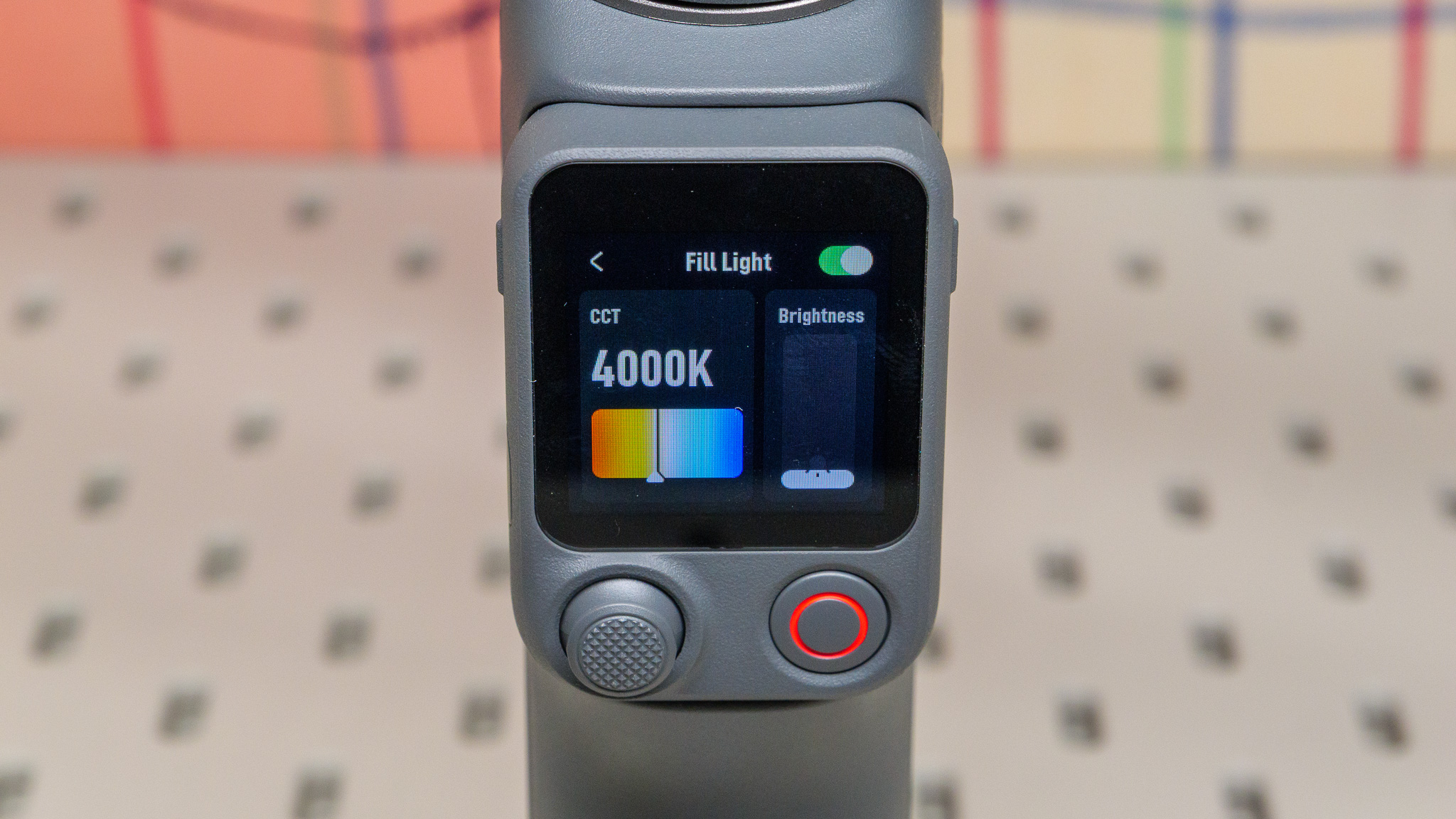
There are some trade-offs here, though. By shifting much of the control scheme to the FrameTap’s touchscreen, the 8P feels less immediately hands-on than the OM8 — the joystick is smaller, and functions like mode switching and camera toggling now live behind a touchscreen rather than dedicated physical buttons. The zoom/focus wheel present on the Osmo Mobile 8 is gone entirely, which feels like a regression. And if you’re stepping up from a gimbal that used the original Multifunctional Module 1, note that the Module 2 has apparently dropped support for connecting a DJI wireless microphone directly to the module itself — you’ll need to connect your mic to the phone instead.
All things considered, the Osmo Mobile 8P represents a small but meaningful step forward for DJI’s gimbal lineup. Its tracking is class-leading, its remote control fills the one gap that held the OM 8 back, and its pricing remains competitive against rivals like the Insta360 Flow 2 Pro and Hohem iSteady V3 Ultra. The reduced physical controls and the Module 2’s dropped mic receiver support are real niggles, but they’re unlikely to be dealbreakers for most users. If you’re in the market for a folding smartphone gimbal, the OM 8P is now the one to beat.
DJI Osmo Mobile 8P: price and availability
- Priced from £135 / AU$219
- Available in three different bundles
At £135 / AU$219 for the Standard Combo (which, importantly, includes the FrameTap), the Osmo Mobile 8P is priced at the same level as its predecessor.
The Advanced Tracking Combo (which is the configuration I tested) comes in at £169 / AU$269. It includes the same contents as the Standard Combo, plus the new Multifunctional Module 2 tracker and fill light.
Finally, there’s the Creator Combo at £195 / AU$329, which features all of the above plus a DJI Mic Mini 2 transmitter and mobile receiver. Like all recent DJI products, there’s no US pricing or availability at launch.
DJI Osmo Mobile 8P: specs
Swipe to scroll horizontally
|
Dimensions: |
196 x 105 x 38mm (folded) |
|
Weight: |
386g / 13.6oz |
|
Compatible phone weight: |
170 to 300g / 6 to 10.6oz |
|
Compatible phone thickness: |
6.9 to 11mm |
|
Compatible phone width: |
67 to 84mm |
|
Connectivity: |
Bluetooth 5.4, USB-C |
|
Battery life: |
4 hours (using tracking and fill light) / 10 hours (balanced and stationary) |
Should you buy the DJI Osmo Mobile 8P?
Buy it if…
- One week of use
- Tested with an Apple iPhone 13
- Used for B-roll and vlog-style footage
I reviewed the DJI Osmo Mobile 8P for around a week, testing it both handheld and set up on its built-in mini tripod. It was used with my Apple iPhone 13’s front-facing and rear cameras, both indoors and outdoors, and I recorded video using a range of apps (but mostly the iPhone camera and DJI Mimo). I made sure to test its tracking capabilities with all three of the available tracking methods: ActiveTrack 8.0 (via the Mimo app only); the Module 2; and Apple DockKit.
First reviewed May 2026

Sam has been writing about tech and digital culture for over 20 years, starting off in video games journalism before branching out into the wonderful worlds of consumer electronics, streaming entertainment and photography. Over the years he has written for Wired, Stuff, GQ, T3, Trusted Reviews and PC Zone, and now lives on the Kent coast in the UK – the ideal place for a camera reviewer to ply their trade.
