

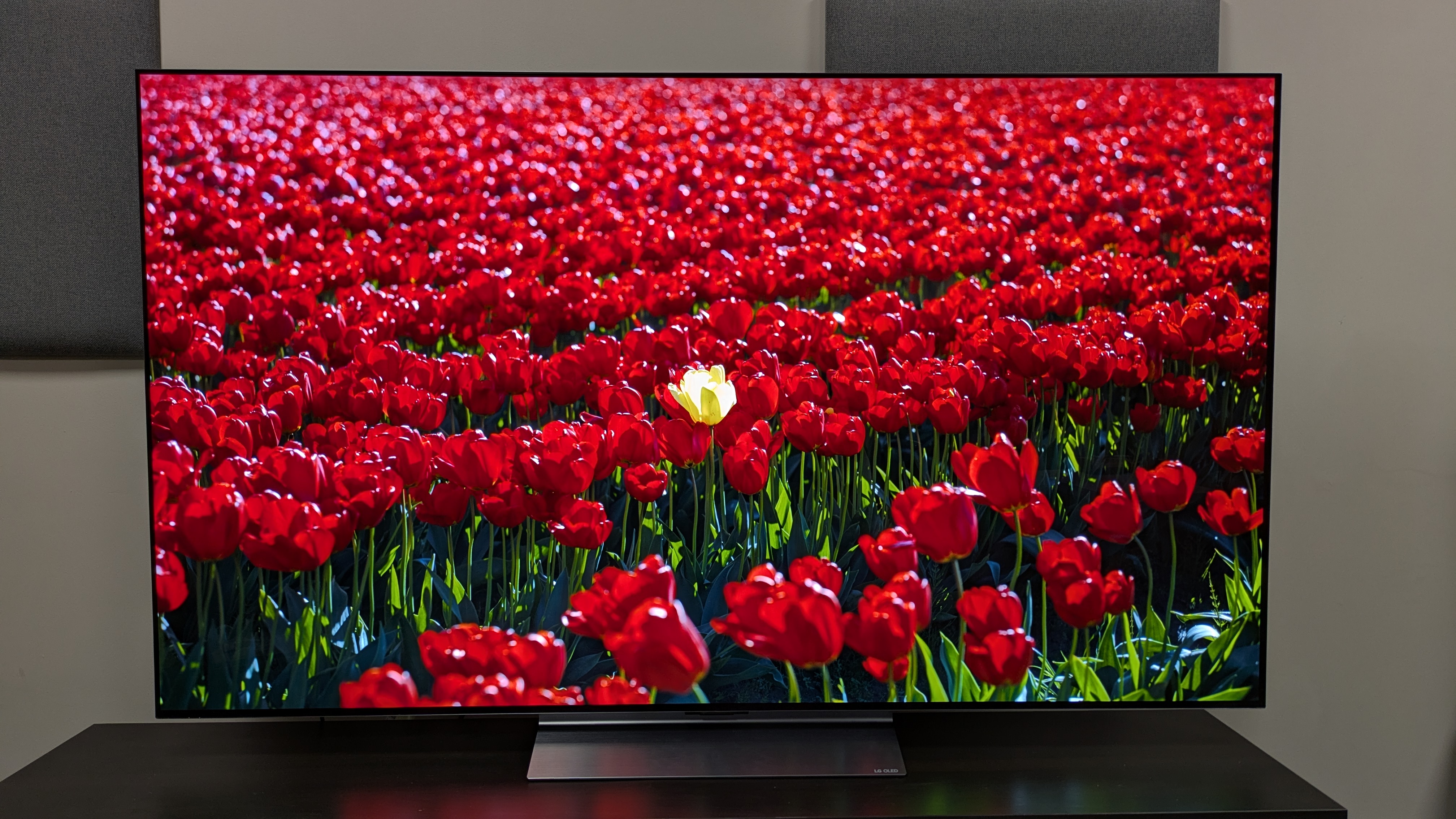
LG’s C-series OLEDs are arguably among the most popular TVs released every year, thanks to their versatility, performance, and value for money. While still a premium TV for many, it’s often one of the most competitively priced for what it delivers.
Last year’s LG C5 was one of the best TVs I’d tested, and while it didn’t bring tons of changes from the LG C4 – other than a moderate brightness boost and an updated processor with more AI features – it was still a superb TV that brought across everything great about the C4 and built on it further.
The C5’s successor, the LG C6, has landed in our testing labs, and I’ve been putting it through its paces, including placing it side-by-side against the C5. Based on my testing, it’s a solid upgrade, bringing more improvements than the C5 delivered over the C4.
Article continues below
The C6 has impressed me in the time I’ve been testing it. Here are my top three things I like about it, and one area where it could be better.
A solid brightness boost
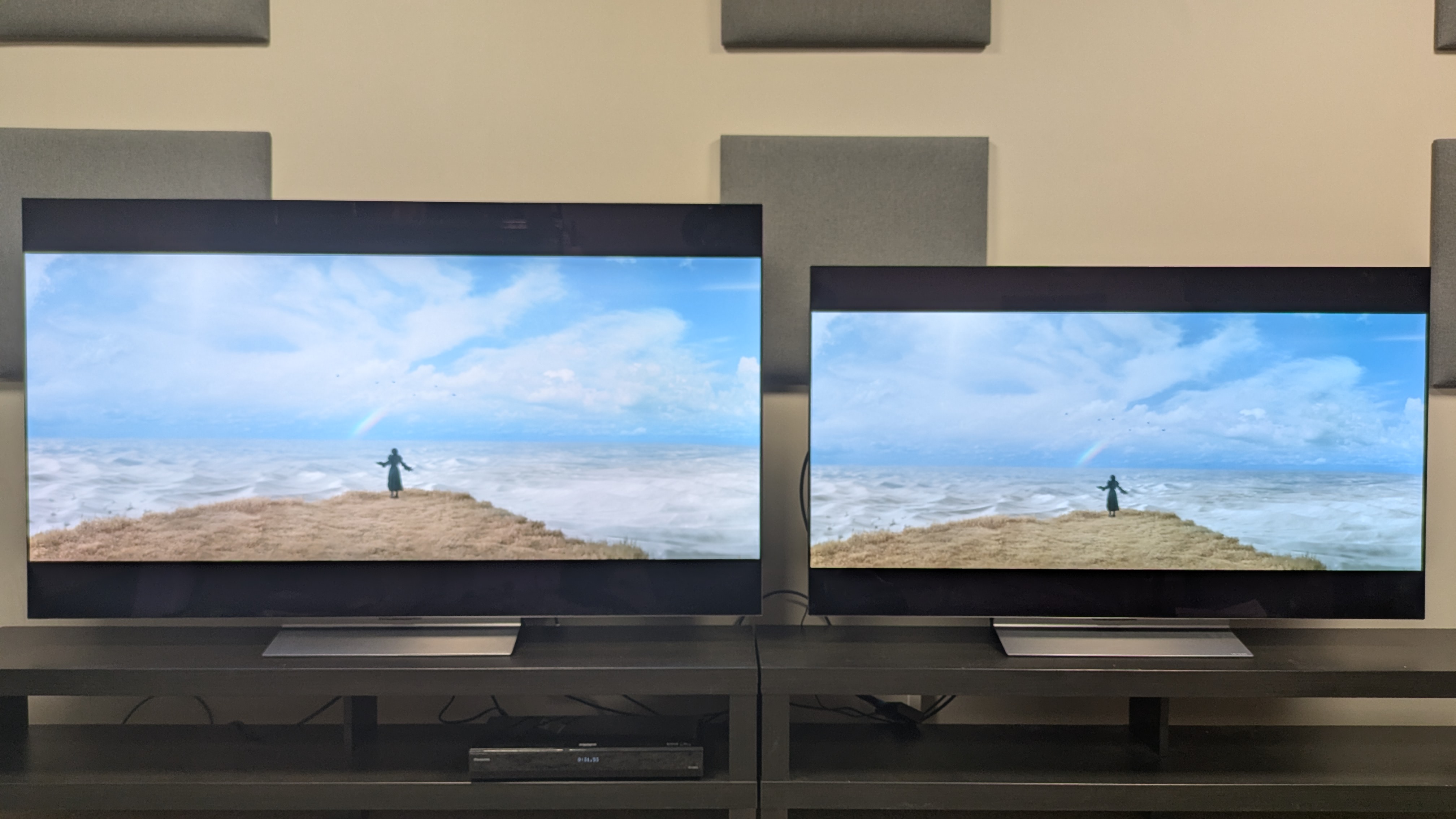
I measured the LG C5 last year at 1,180 nits peak HDR brightness (measured on a 10% window in Filmmaker Mode), and I was pleased with the moderate boost in brightness over the C4 (which clocked in at 1,065 nits with the same tests). It gave highlights and peak brightness areas on screen that little extra pop.
This year, the C6 has provided an even bigger brightness boost, clocking in at 1,438 nits peak HDR brightness (10% window) in Filmmaker Mode. This makes a huge difference in high contrast scenes. In movies like The Batman and Dark City, you can see what the extra brightness has done with lamps in dark-lit hallways, making them bolder and, in turn, delivering stronger perceived contrast.
The C6 has also had a nice fullscreen brightness boost. I measured it at 245 nits full-screen HDR in Filmmaker mode, an increase of 50 nits over the C5’s 195 nits. 50 nits may not seem like much, but in fullscreen for a WOLED TV, it’s a healthy step-up — it’s around a 25% improvement, after all.
It helps brighter scenes with even light levels (including sports), and in theory, it should help in brighter rooms to beat reflections (spoiler alert: I’ll be discussing that below).
Goodbye, green tint
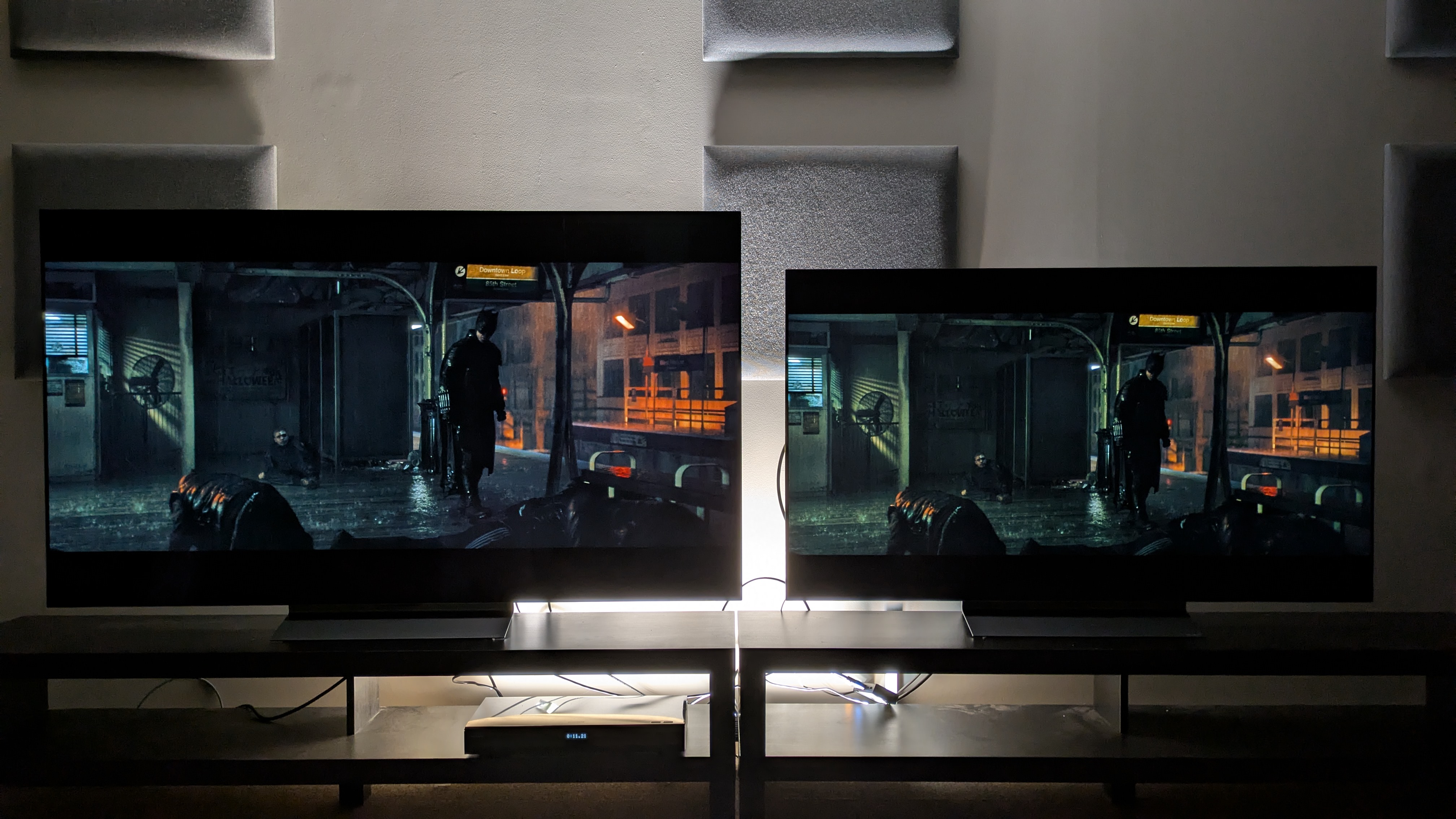
Over the past couple of years, some of LG’s OLEDs have had a slight green tint to them. This isn’t always noticeable, but it does become more obvious when compared to other brands’ OLEDs.
Despite this, LG’s OLEDs always tend to score well in our color accuracy measurements, often clocking under 1.5. For context, we get these results by averaging the Delta-E values (the margin for error between the signal from the test pattern source and what’s shown on screen), and anything below 3 is considered a great result, since it’s indistinguishable from ‘perfect’ to the human eye.
When viewed in isolation, LG’s OLEDs still look excellent. They always score highly in the picture quality section of our reviews. But, putting the C6 side by side with the C5, it’s clear that the new model looks more accurate.
This difference was most obvious when viewing black and white movies. Watching Sunset Boulevard, the picture looked more accurate in the grayscale tones on the C6, and the green tint became noticeable on the C5. It made the C6’s whites and grays look cooler in temperature, taking on a more blue/white look, which suited the film better.
While it was less obvious on other content such as full-color movies or animation, the C5’s green tint was still faintly there, and I found myself drawn to the C6’s picture.
Faster processor, more features, cheaper price
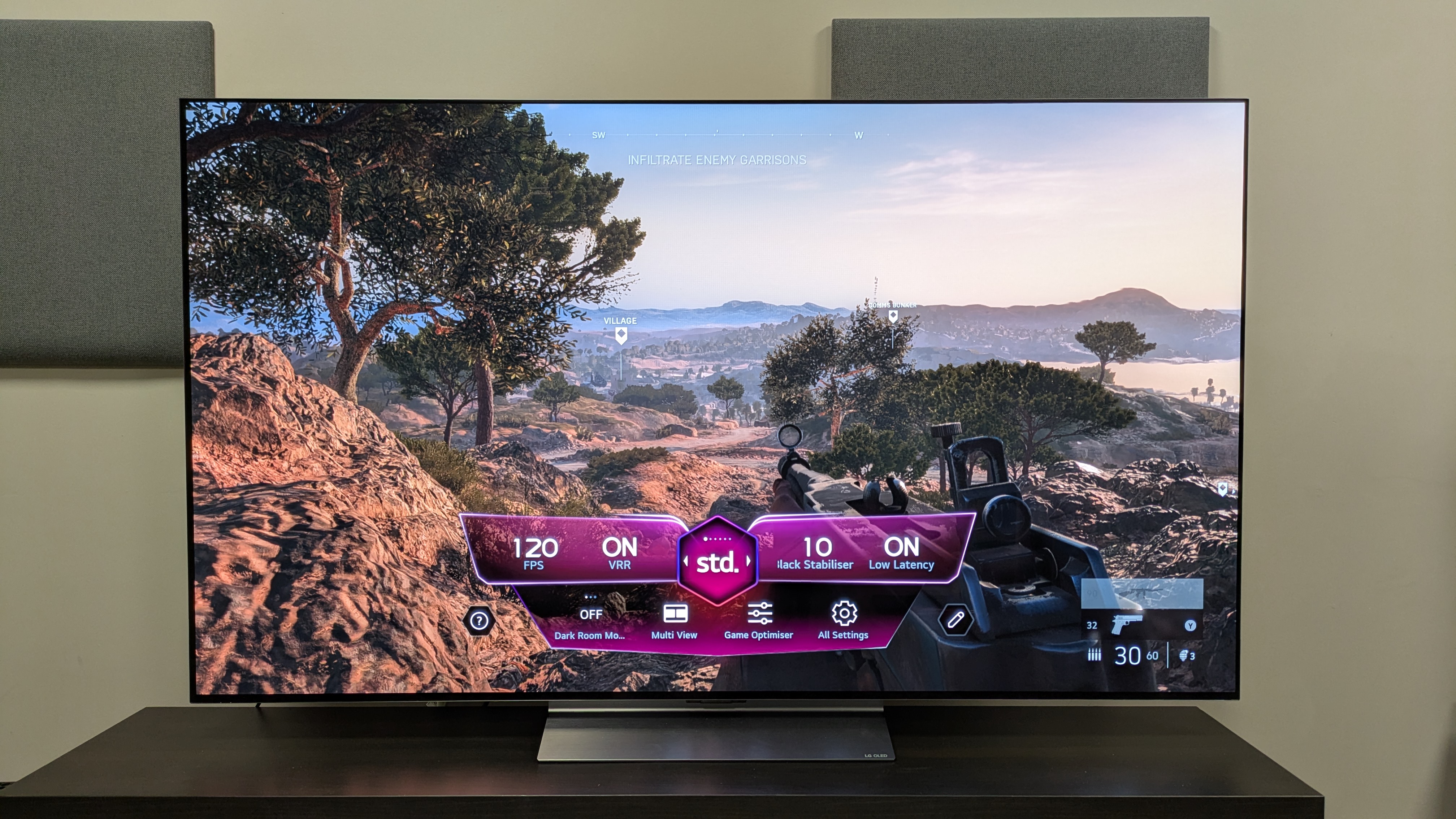
While the 65-inch C6 I’ve been testing may miss out on the Primary Tandem RGB 2.0 panel the 77 and 83-inch C6H is getting, it has received one notable hardware upgrade: the new Alpha 11 AI Gen 3 processor, which is the same used in the flagship G6.
Not only does this mean response times and performance when navigating menus are faster, but it’s getting all the Alpha 11’s picture upgrades, such as 13-bit color processing (12-bit with 1 bit of brightness) and Brightness Booster, which could explain the C6’s big brightness upgrade I discussed above.
The C6 already came with all the C5’s gaming features that made the latter one of the best gaming TVs on the market, but PC gamers are getting more support this year. The C6 supports up to 4K 165Hz, an upgrade over the C5’s 4K 144Hz.
The other great news is that we’re getting these upgrades and cheaper launch prices for the C6 (in the UK at least). I recently reported the C6’s launch prices, and it’s launching cheaper than the C5 did in every size. The 65-inch I tested will hit shelves at £2,499 compared to the C5’s £2,699. Elsewhere, it’s actually launching for the same as the C5, despite the fact that we usually expect an increase in the current climate.
Room for improvement: reflections
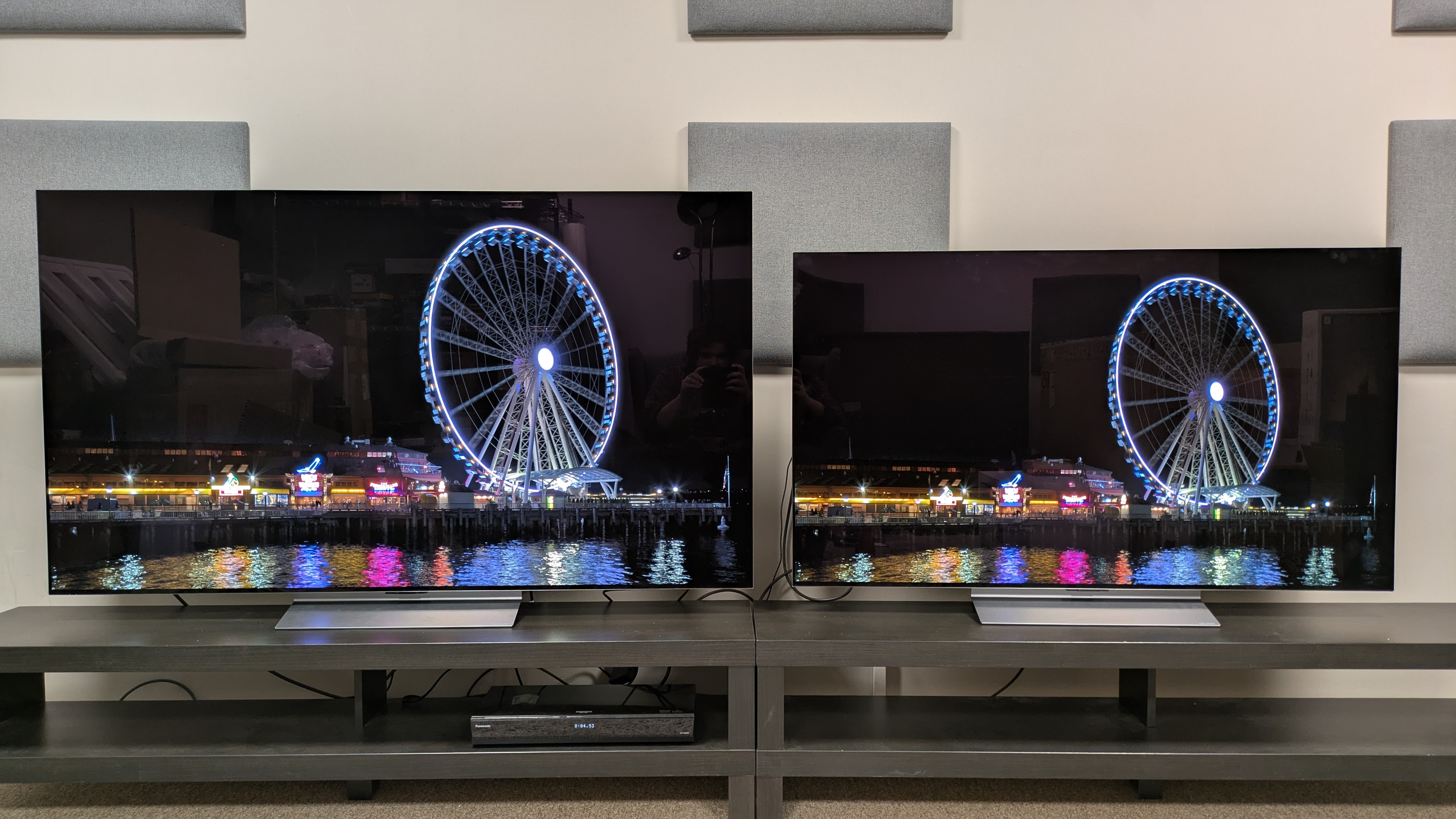
Reflections and bright-room viewing have been the bane of glossy OLEDs for years. It’s why Samsung introduced its excellent Glare Free matte screen in 2024 and refined it in 2025 with the five-star Samsung S95F. And in 2026, it’s bringing said anti-reflection screen to the mid-range Samsung S90H, the LG C6’s mid-range OLED rival.
I’ve admittedly been spoiled this year by seeing what the LG G6 can do in a bright room next to the Samsung S95F, battling reflections while providing more accurate blacks. Yes, the S95F is still the best at outright eliminating reflections, but the G6’s new anti-glare coating really does make a difference, so much so that it would be my pick for OLED bright room viewing.
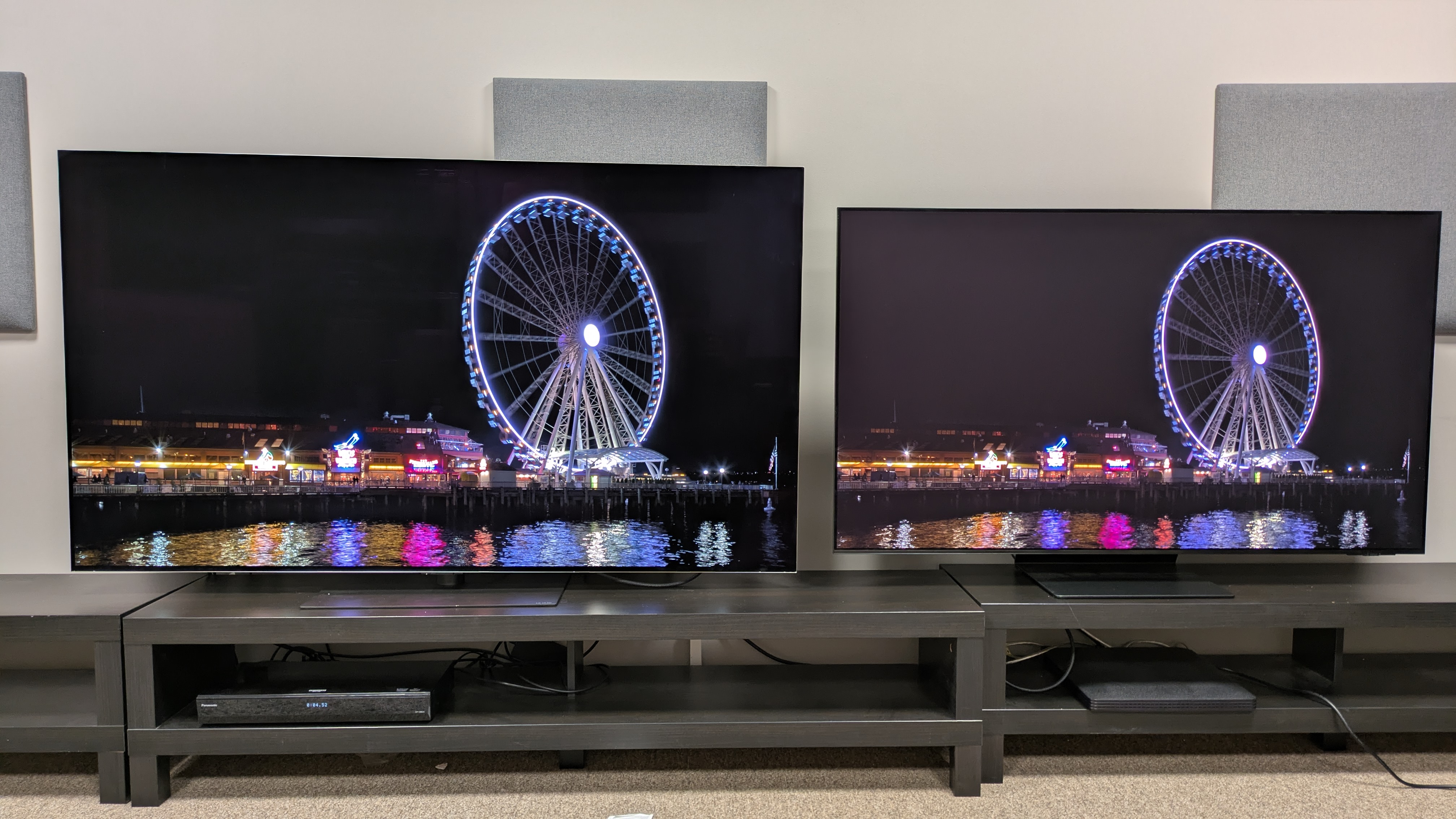
That still doesn’t stop me from feeling disappointed that the C6 still suffers from the same distracting reflections that its predecessor did. Not even a brightness boost could help it, as mirror-like reflections plague the C6’s screen, made even worse when watching darker movies.
It’s one of my few gripes with the C6, but seeing how the G6 is capable of massively reducing reflections (even though it has a glossy screen) and that the rival Samsung S90H is bringing anti-glare to the mid-range OLED market, does make me wonder why LG couldn’t try and reduce the C6’s reflections further.
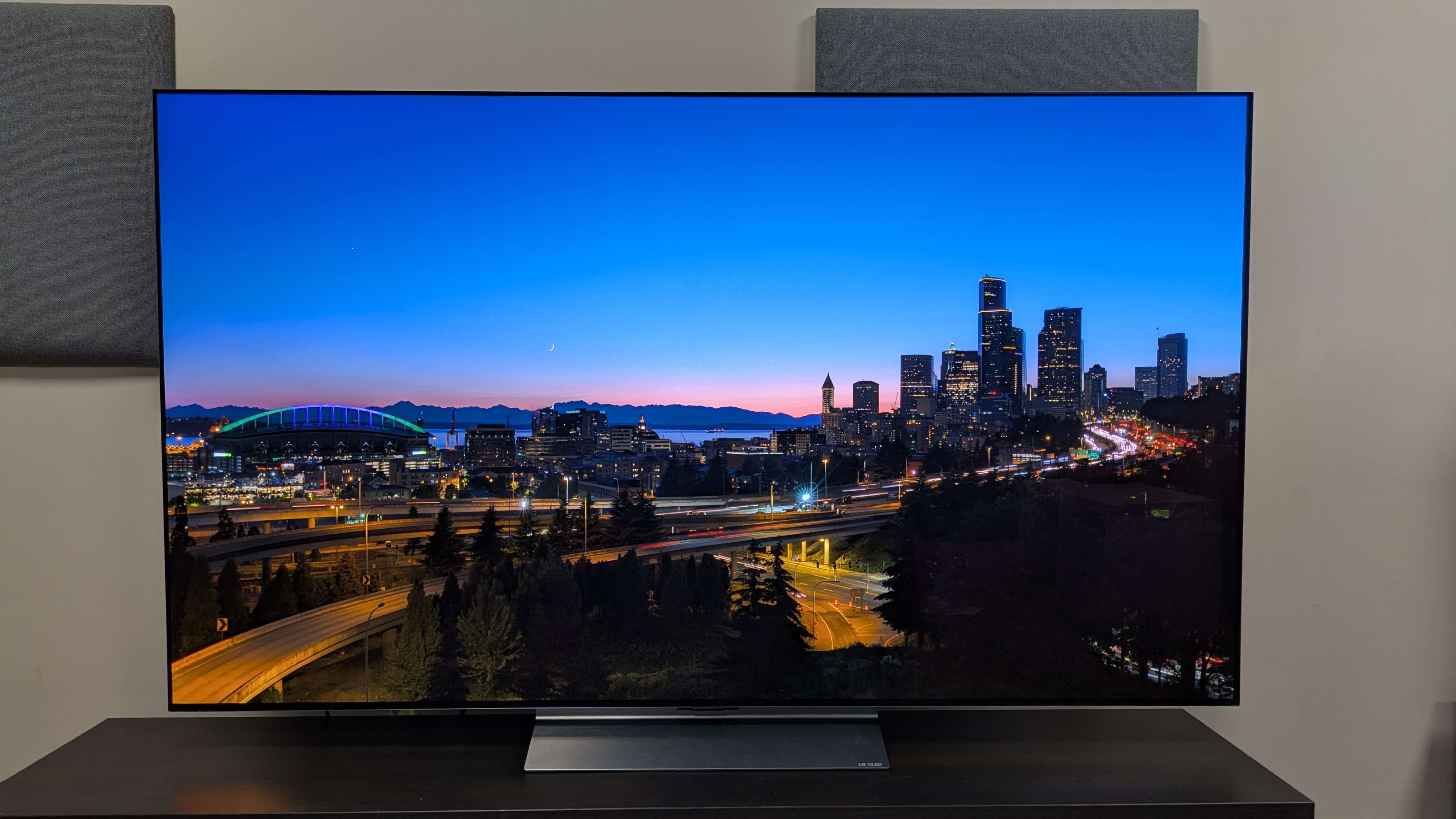
Other than the reflections and a few other nitpicks I have with the C6, it looks like a truly brilliant TV from the time I’ve tested it so far. The three things above are just my top three stand-out changes, but it really does deliver improvements to the picture quality, gaming performance, and features we’ve come to know with LG’s C-series models.
While I would still say the LG C5 is the best option if you’re looking to buy right now, as its prices continue to drop over a year into its life, the C6 is a worthy upgrade and would be my choice if you’re holding off. I’ll have my full review live soon, but right now, things are looking very good for the C6.

Follow TechRadar on Google News and add us as a preferred source to get our expert news, reviews, and opinion in your feeds.
