

Another week, another seven days of some seriously big tech news, and we’re here to help you catch up on what you might have missed.
From Mac shortages to Artemis II iPhone photos, we have recaps of the seven biggest news stories of the week below for you.
Article continues below
7. Pebblebee built an excellent AirTag rival
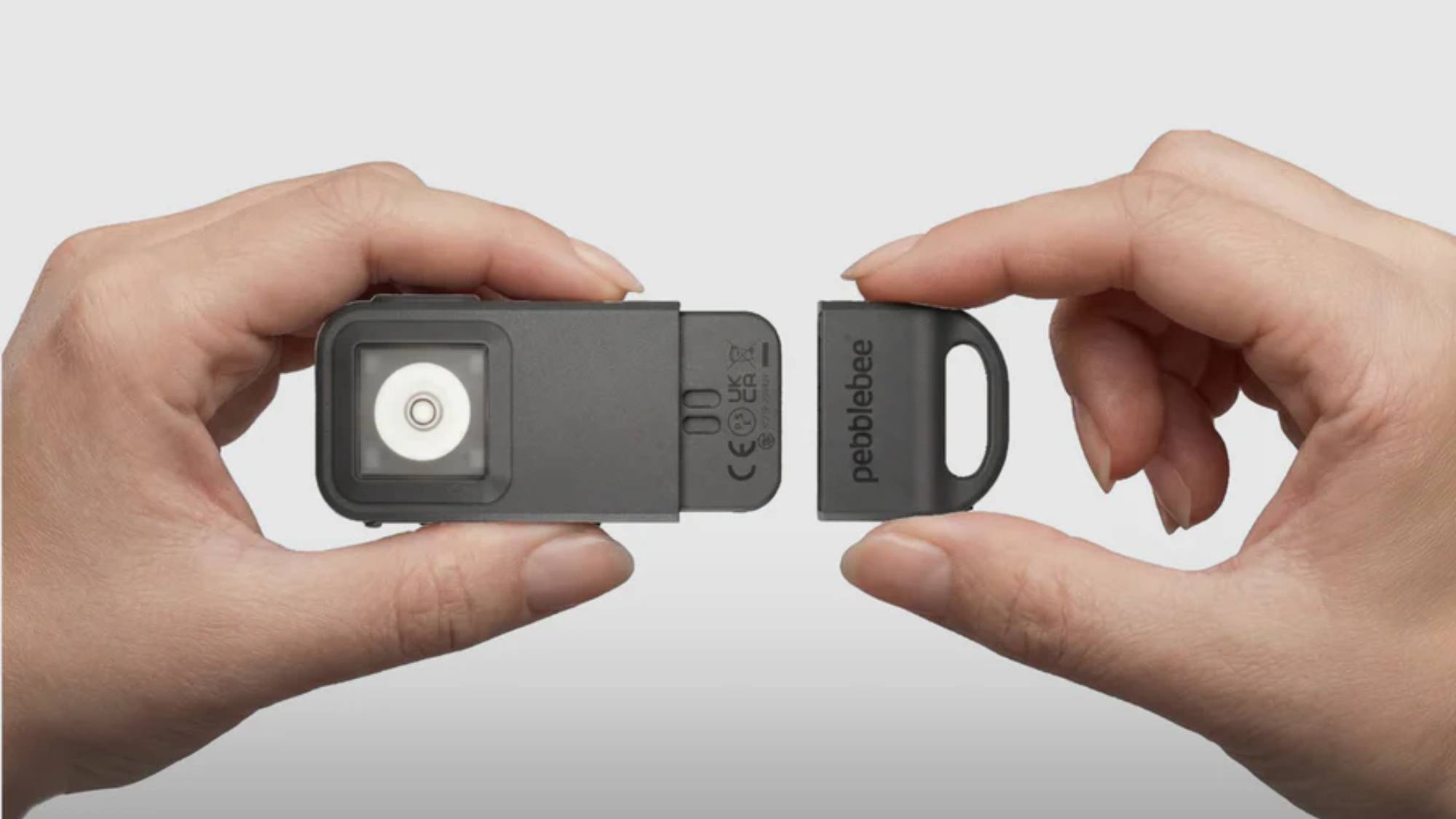
This week, personal safety device company Pebblebee launched its new Halo tracker, a new AirTag rival but with added functionalities.
Built on that ‘what if something goes wrong’ feeling, the Halo tracker can be registered on Apple’s Find My app or Google’s Find Hub, so no additional app is required. When activated, the tracker signals a 130dB siren when activated to attract attention from passersby in the area, and will also emit a flashing strobe of light (which doubles as a 150-lumen flashlight), all while sharing your real-time location with up to five trusted contacts called your Safety Circle
It’s retailing now for $59.99/ £55.28/ AU$87.88, and each device comes with a free 12-month subscription to Pebblebee’s Alert Live plan, which is required for live location sharing.
- Read the full story: Pebblebee’s new personal tracker is an AirTag crossed with a safety siren
6. We tried DJI’s robovac
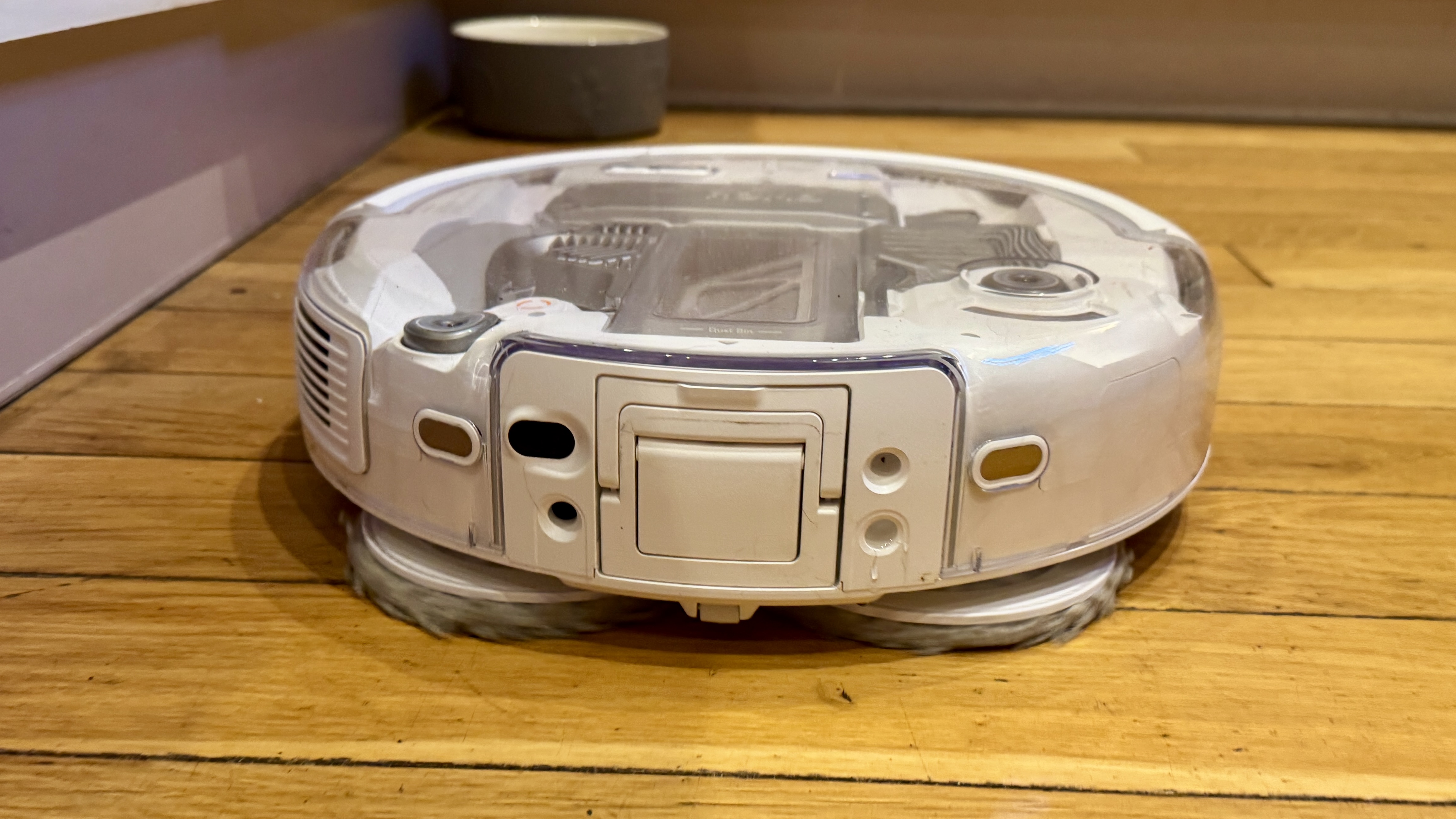
The people at DJI know a lot about drones, but it turns out they’re no slouches when it comes to robot vacuums, either. We tested the new DJI Romo P, with its funky transparent case that lets you see its cleaning components while it works, and its obstacle detection and navigation blew us away.
The Romo P surpassed expectations in our vacuuming tests, too, getting right into the corners of the room, and did an admirable job mopping up messy spills on hard floors. It’s expensive, yes, but it’s one of the best robot vacuums that has ever roamed our floors, and we highly recommend it.
- Read the full story: DJI’s first foray into the pantheon of home cleaning
5. We experienced Sony RGB TV

We’ve been waiting for Sony’s formal entry into RGB TV, and this week we got a first look at what the TV giant has dubbed True RGB. It’s an eye-catching name amongst the crowded RGB TV space, with Samsung, TCL, and Hisense all already taking up space.
Our early first impressions of Sony’s True RGB TV tech proved good, though, with punchy colors, high brightness, and overall impressive visuals. Sony says its first consumer TV model with True RGB will launch in Spring 2026, and Sony’s RGB TV tech is a three-diode system with one red, one green, and one blue, plus a new backlight driver controlled by Sony’s unique mix.
As always, Sony will strive not to skew reality and, ideally, deliver visuals that match the creator’s intent.
- Read the full story: I saw Sony’s True RGB TV tech in action
4. We poured one out for Samsung Messages
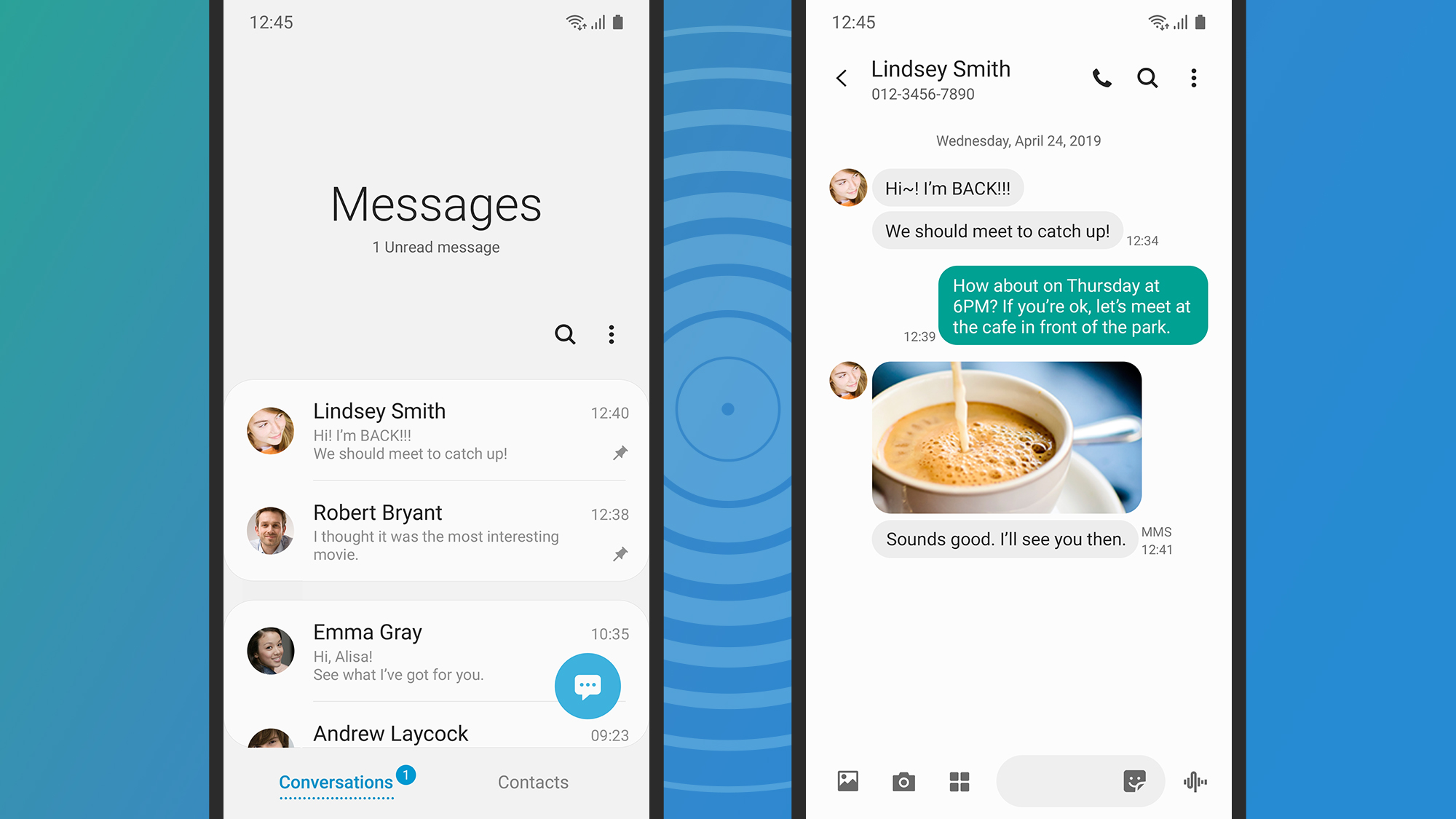
We said goodbye to Samsung Messages this week, as the South Korean tech brand announced the service is shutting down in July.
The announcement came with a suggestion to switch to Google Messages, but many folks are frustrated by the change.
There’s no workaround to keep access to Samsung Messages, but if you don’t like Google Messages, there are at least alternative apps you could use, including Textra SMS and Handcent Next SMS messenger.
- Read the full story: Samsung Galaxy owners rebel against being forced to switch to Google Messages
3. Amazon stopped support for some Kindles
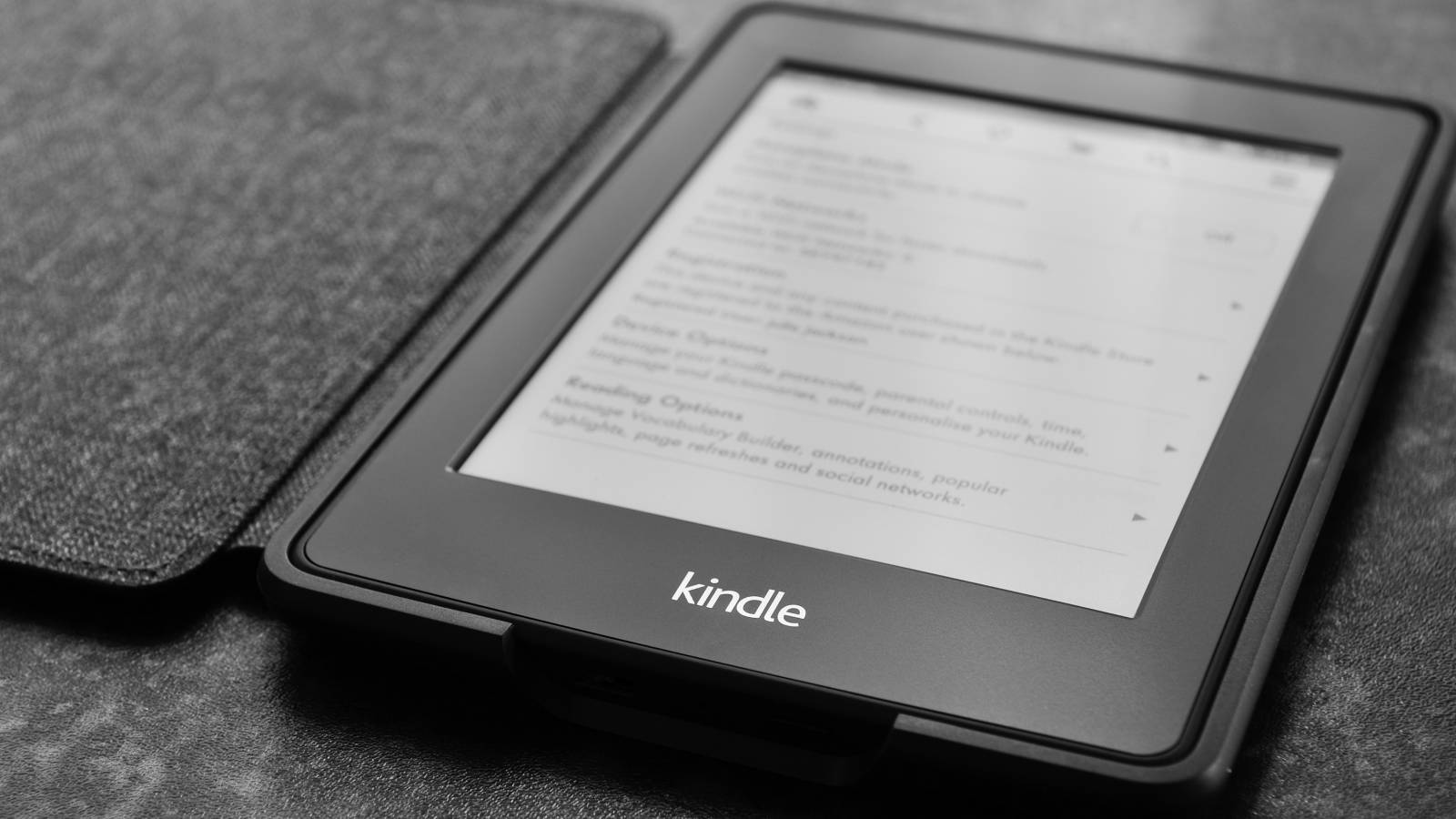
As of May 20, Amazon will be pulling the plug on support for Kindles and Fire tablet models released before 2012. However, most of the affected devices are still widely used today (mainly the Kindle 3, Kindle 4, and the first generation Kindle Paperwhite), and it’s rubbed keen e-readers the wrong way.
When the day comes, you’ll still be able to read content that’s already downloaded on your device, but you won’t be able to purchase or download new books after the date has passed. For most users, the simplicity of a Kindle is what has kept them glued to older models instead of upgrading to Amazon’s more advanced, and therefore pricier, models. Besides, this isn’t stopping users from sideloading new books as a workaround — but how long will it be until Amazon clamps down on this, too?
- Read the full story: Amazon is pulling the plug on old Kindle devices
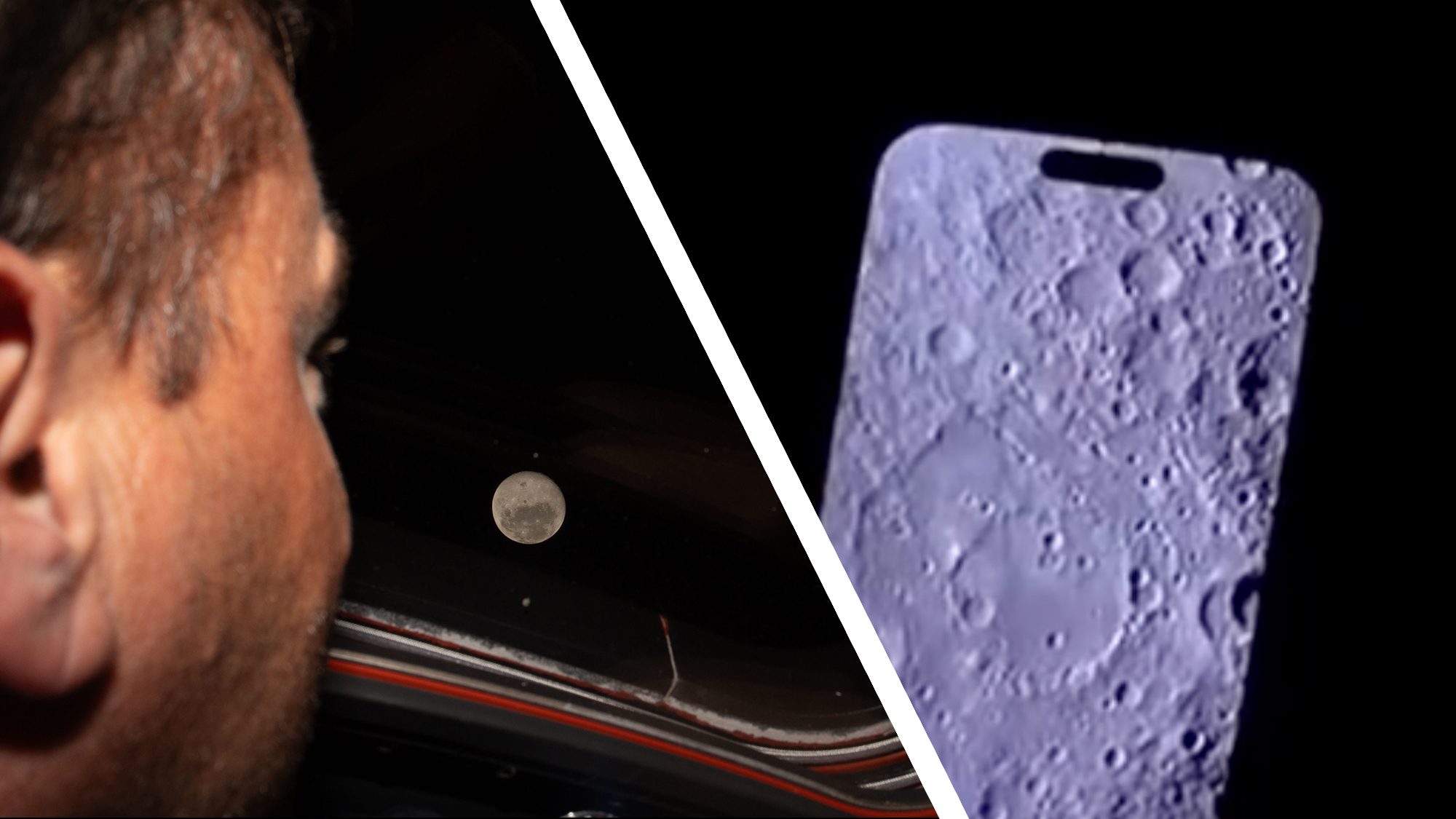
The Artemis II mission has been wowing us, mere earthlings, this week with its deep-space adventures — and that included shooting what are probably the best iPhone and GoPro photos ever taken.
Two of these, showing astronauts Christina Koch and Reid Wiseman looking back towards their home planet, were shot using the iPhone 17 Pro Max’s selfie camera, no less. And outside the ship, a 12-year-old GoPro captured a mind-blowing photo of a lunar eclipse from the far side of the moon.
Our camera roll looks decidedly underwhelming by comparison. Still, it was fascinating to see NASA using some of the same dusty old camera tech – including the decade-old Nikon D5 DSLR – that we’ve been eyeing up in secondhand stores.
- Read the full story: The first iPhone 17 Pro Max photos sent back from the Artemis II mission really are out of this world
1. Mac stock ran low
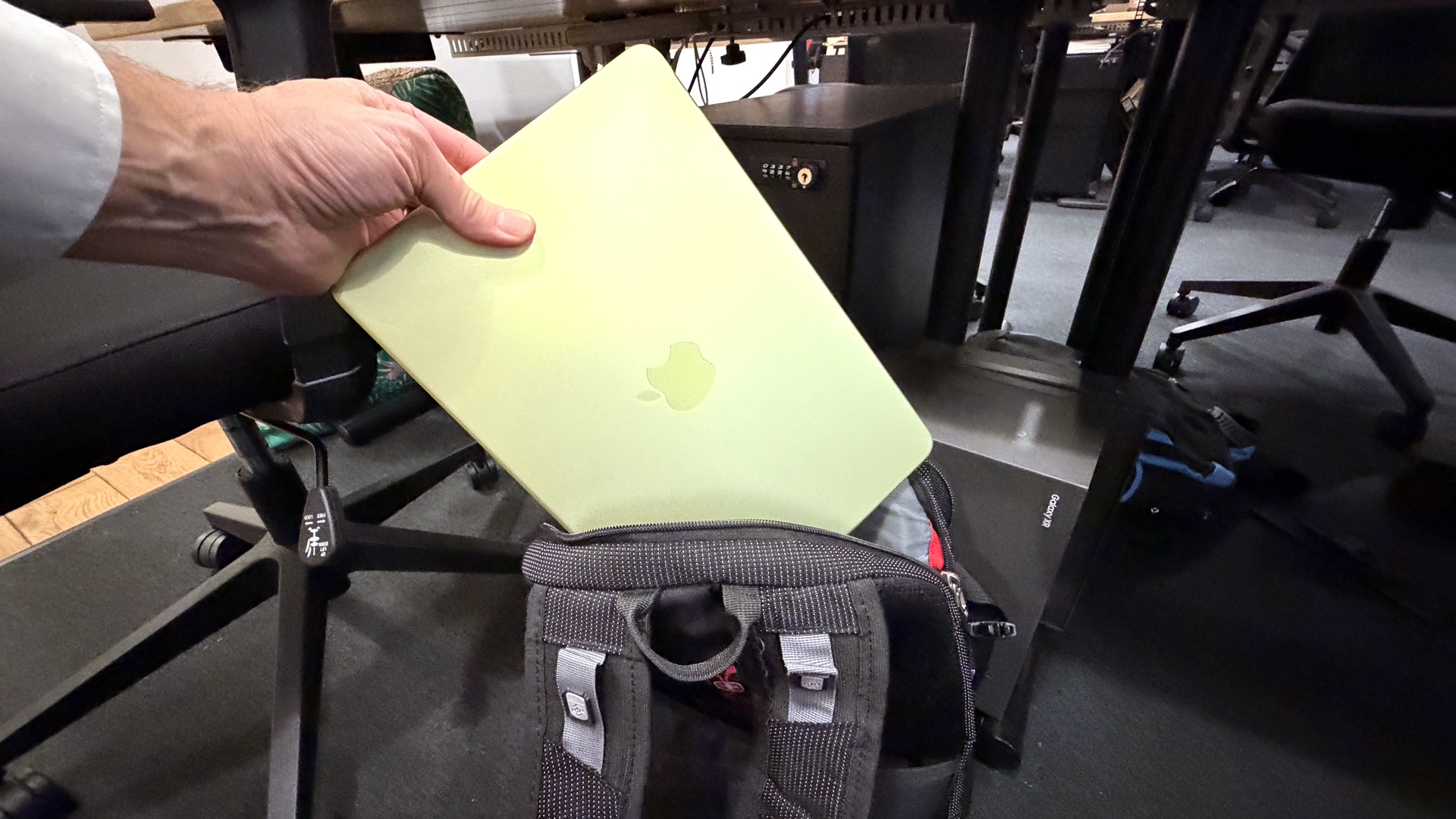
Mac Mini, Mac Studio, and MacBook Neo stock has been running low across various Apple stores, and problems may persist.
You could be waiting several weeks, or even months in some cases, to receive your Mac Mini or Studio order, depending on your configuration. While Apple hasn’t confirmed the rumors, many suspect the ongoing RAM crisis is to blame.
As for the MacBook Neo, the delays are instead being blamed on a weirder source: a lack of iPhone 16 Pro chips. The theory is that these chips were chosen because Apple had a stockpile of A18 Pros with a faulty CPU core; the five-core chips wouldn’t work for phones but could be repurposed into Neo chips. However, the incredible popularity of the Neo may have taken Apple by surprise, leading to shortages.
- Read the full story: Mac shortages hit, and the RAM crisis is probably to blame
Follow TechRadar on Google News and add us as a preferred source to get our expert news, reviews, and opinion in your feeds. Make sure to click the Follow button!
And of course, you can also follow TechRadar on YouTube and TikTok for news, reviews, unboxings in video form, and get regular updates from us on WhatsApp too.
