

Your phone just buzzed. Was it a notification from a streaming app, a friend inviting you to a mobile game, or maybe a clip someone shared on social media? Chances are, it was something entertainment-related. And that tiny moment? It’s part of a much bigger story.
Mobile phones have quietly become the single most powerful entertainment device on the planet. Not your TV. Not your gaming console. That rectangle in your pocket.

How Did We Get Here?
A decade ago, mobile entertainment meant playing Snake on a Nokia or watching grainy YouTube videos over shaky 3G. Fast forward to 2026, and the picture looks completely different.
The global mobile entertainment market is estimated at around $200 billion this year, with projections pointing toward $480 billion by 2033. Those aren’t small numbers. That’s an industry growing faster than most people realize.
So what changed? A few things happened at once. Smartphones got ridiculously powerful. Budget devices from brands like Xiaomi, Realme, and Samsung’s Galaxy A-series now pack enough processing muscle to run visually impressive games, stream 4K video, and handle augmented reality features, all for under $150.
Meanwhile, 5G networks have rolled out across dozens of countries, bringing the kind of speed and low latency that makes cloud gaming and live-streamed content feel seamless.
And then there’s the sheer reach. Over 6.5 billion people now use smartphones worldwide. That’s roughly 80% of the global population walking around with a portable entertainment hub.
In emerging markets like India, Southeast Asia, and Latin America, mobile phones aren’t just a secondary screen. They’re the primary one.
Gaming Took the Wheel
If there’s one category driving this whole boom, it’s gaming. Mobile gaming revenue is expected to hit somewhere around $98 billion globally in 2026.
To put that in perspective, that’s more than PC and console gaming combined. Strategy titles, puzzle games, battle royales, they’re all pulling in massive audiences.
But here’s the interesting part. Downloads are actually declining, down roughly 7% year over year since 2021. Yet revenue keeps climbing.
Players are spending more time in fewer games, and developers have gotten smarter about keeping people engaged through live events, seasonal content, and progression systems that reward loyalty.
And it’s not just traditional games pulling people in. Social casino gaming has quietly become one of the fastest-growing verticals on mobile, now valued at several billion dollars globally.
The concept is simple. You get the feel of classic casino games, slots, poker, blackjack, but everything runs on virtual currency. No real money changes hands. It’s pure entertainment with leaderboards, friend challenges, and daily rewards baked in.
BigPirate Social Casino is a good example of how this space keeps growing, attracting players who want that competitive buzz without financial risk. It’s a category that resonates especially well on mobile, where quick sessions and social features feel right at home.
Streaming Changed Everything (Again)
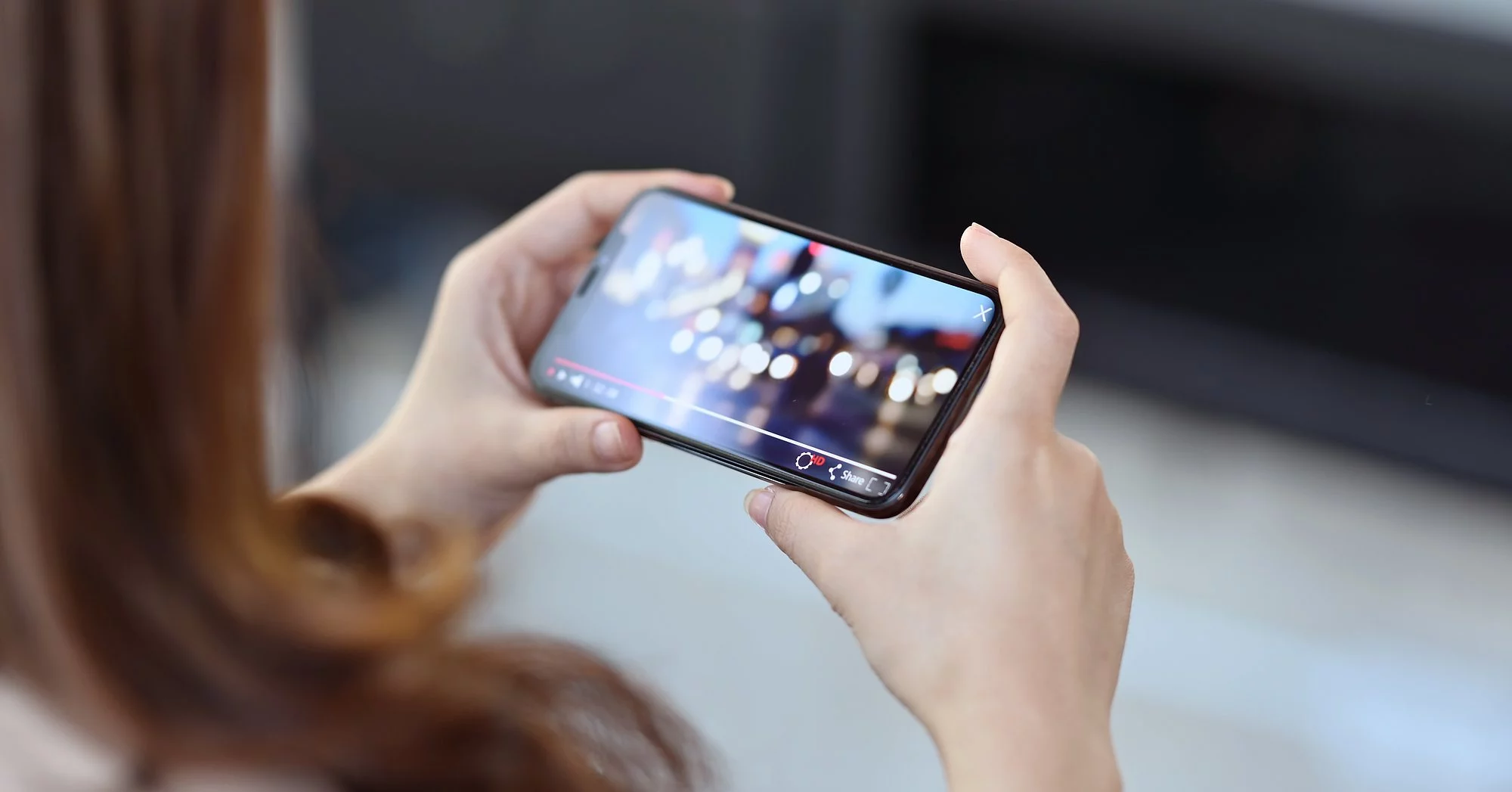
Gaming gets the headlines, but streaming services deserve equal credit. More than 80% of online video viewers now watch content through their phones. Short-form video apps alone attract over 2.5 billion monthly users globally.
Platforms keep adapting too. Spotify recently introduced features that let users guide recommendations with natural language prompts. Netflix has been expanding into mobile gaming, offering exclusive titles to subscribers.
The lines between content types are blurring. You might watch a show on your commute, jump into a mobile game during lunch, then browse fan communities on social media before bed. All on the same device. That kind of cross-format engagement was unthinkable ten years ago.
Emerging Markets Are Writing the Next Chapter
Here’s where the story gets really fascinating. While mature markets like the U.S., Japan, and South Korea still generate the highest revenue per user, the volume growth is happening elsewhere. India added roughly 150 million new mobile gamers between 2023 and 2026, pushing its total past 450 million.
The Philippines is seeing year-over-year entertainment growth north of 20%. Mexico and Brazil together account for over 155 million mobile entertainment consumers, a figure that doubled in just four years.
What’s fueling this? Falling data costs play a huge role. The average price per gigabyte of mobile data in South and Southeast Asia dropped by over 60% between 2020 and 2025.
Combine that with affordable smartphones and expanding digital payment systems, and you’ve got hundreds of millions of new consumers entering the entertainment ecosystem for the first time.
What Comes Next?
The trajectory feels clear, but there are nuances. AI is reshaping how content gets created and recommended. Hybrid game formats are merging casual accessibility with deeper engagement mechanics.
Augmented reality experiences are becoming more than a novelty. And the creator economy continues to grow, with platforms empowering individual users to produce and distribute content at scale.
Mobile phones aren’t just participating in the entertainment boom. They’re the engine behind it. And if the last few years are any indication, we’re still in the early chapters of this story.
The next time your phone buzzes with an entertainment notification, remember, you’re holding the most influential media device ever made.
