

TechRadar Verdict
If you’re looking for a compact flagship phone, the Xiaomi 17 is one of the best options around. It has a bigger battery, faster charging, and better camera specs than any of its mainstream rivals. Sure, it isn’t a massive upgrade over the Xiaomi 15, and it doesn’t come cheap, but it offers enough to remain competitive.
Pros
- +
Pocketable size
- +
Very powerful
- +
Great cameras
- +
Excellent battery life
Cons
- –
Very similar to the previous gen
- –
No charger in the box
- –
On the pricey side
Why you can trust TechRadar We spend hours testing every product or service we review, so you can be sure you’re buying the best. Find out more about how we test.
Xiaomi 17: Two-minute review
There are plenty of amazing flagship phones on the market, but these days, they all have pretty massive screens. If you prefer a smaller phone, but you don’t want to compromise on specs, then your options are more limited.
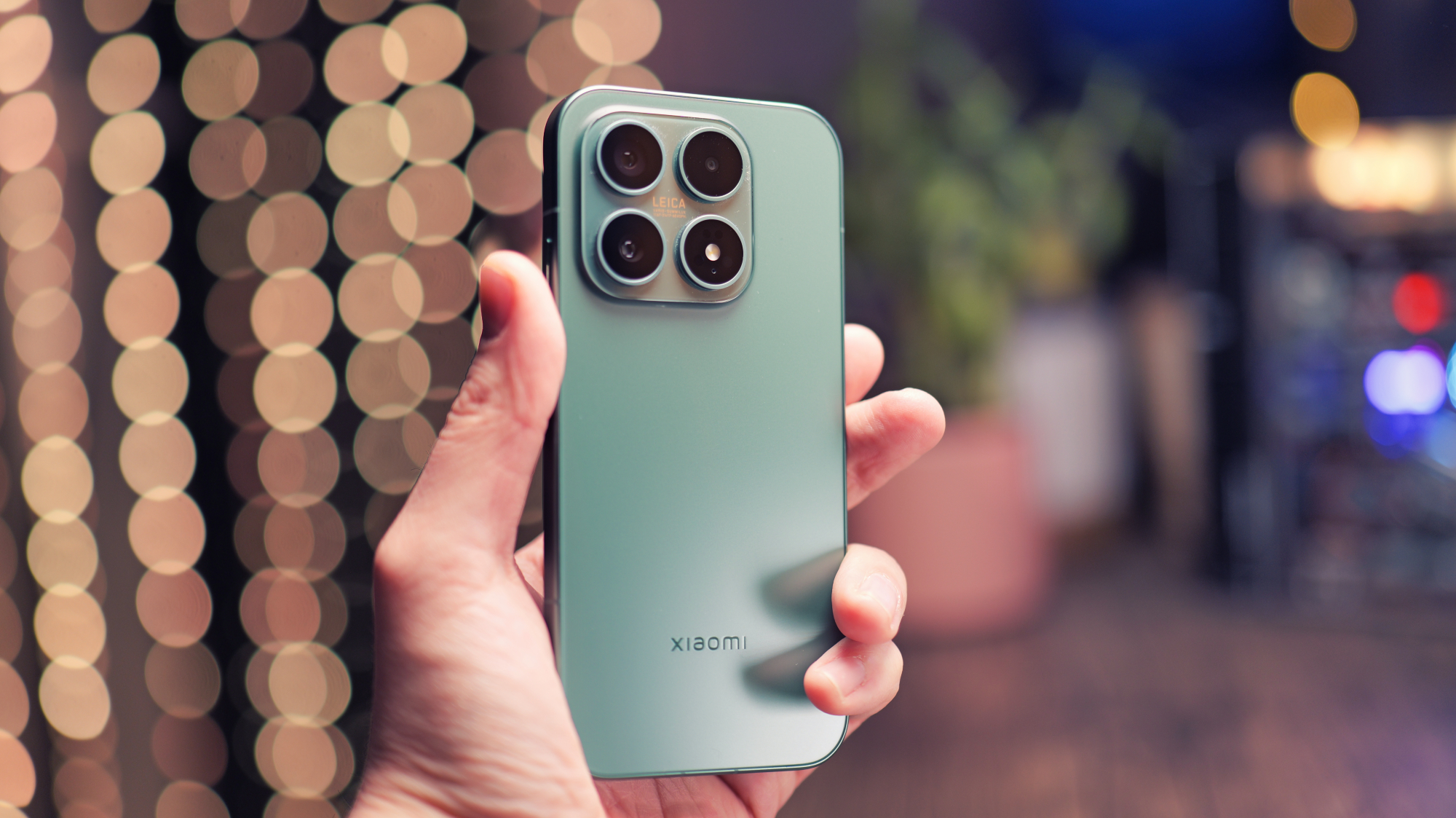
After testing the phone for a couple of weeks, I wasn’t left disappointed. This is an all-rounder that doesn’t fall short in any area. It’s fast, the battery lasts well over a day, and it charges extremely quickly.
A solid display and speakers make for a great gaming experience, as does the thermal management. The cameras are easily among the best in their class, too.
My main complaints with the Xiaomi 17 are the lack of autofocus on the ultra-wide camera, which limits its utility, and the fact that it can’t zoom as well as its Ultra sibling — but that’s none too surprising.
In the past, the best Xiaomi phones have been seen as budget-friendly alternatives to the best iPhones and best Samsung phones, but that’s no longer the case. The Xiaomi 17 is on the upper end of the price spectrum. It’s certainly not cheap, but considering what’s on offer, I think its price tag is justified.
If you’re looking for a do-it-all flagship with a smaller footprint, the Xiaomi 17 is very easy to recommend. It’s not a massive improvement on its predecessor, but it’s still one of the most enticing options around.
Xiaomi 17: Price and availability
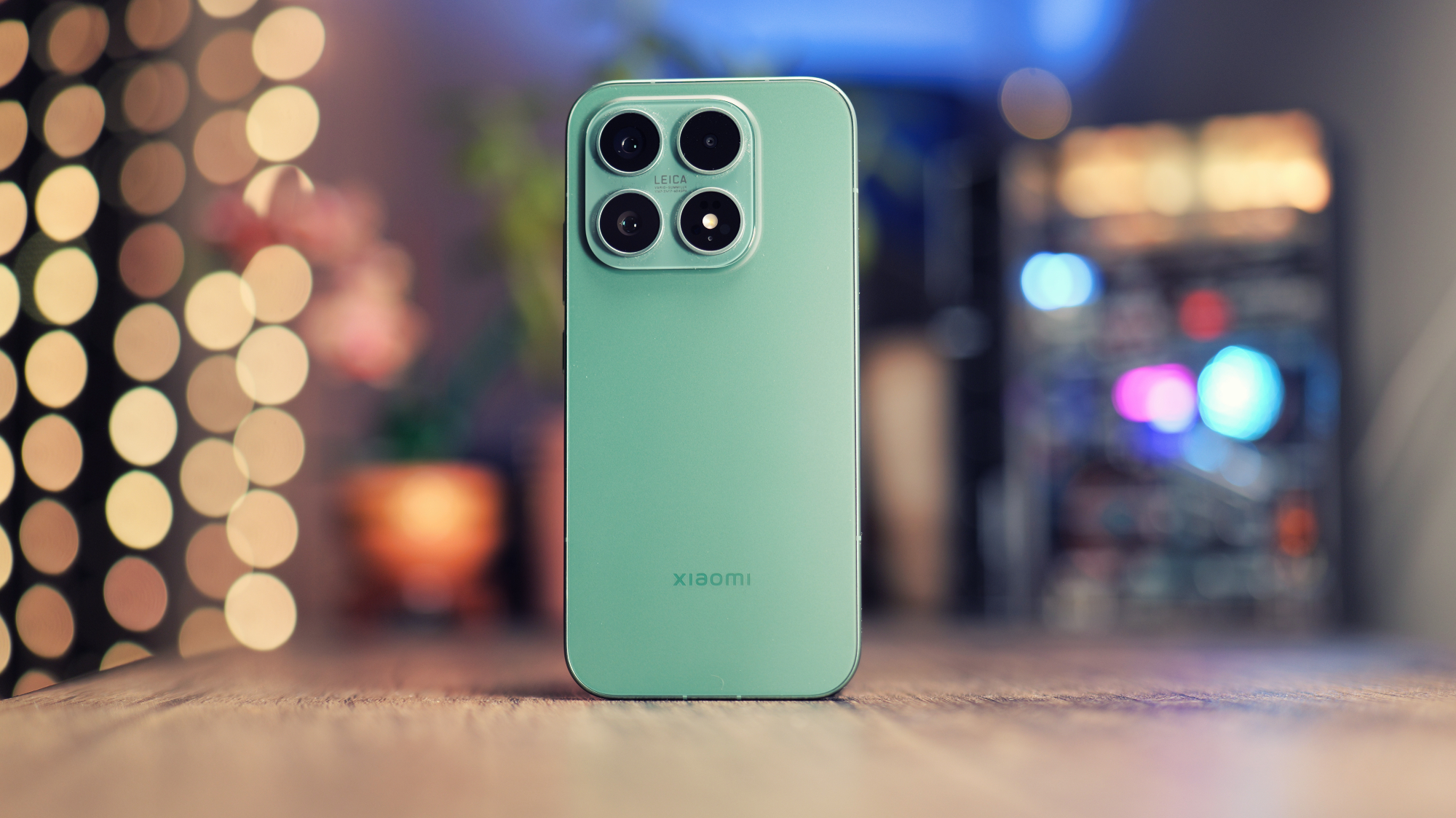
- 256GB model costs £899 / AU$1,399
- 512GB model costs £999 / AU$1,599
- Not available in the US
The Xiaomi 17 is available to order now in most regions globally, but as always, that list excludes the US. In the UK and Australia, the base model (with 12GB RAM and 256GB storage) will cost you £899 / AU$1,399, rising to £999 / AU$1,599 for the 512GB version.
This pricing puts the Xiaomi 17 in direct competition with heavy hitters like the iPhone 17, Samsung Galaxy S26, and Google Pixel 10. In fact, it’s on the more expensive side of that list, but there’s a good reason for that.
The Xiaomi 17 has a larger battery, faster charging, and better camera specifications than most of its direct competition. So, while it’s certainly not a bargain, the Xiaomi 17 doesn’t seem overpriced, either.
- Value score: 4 / 5
Xiaomi 17: Specs
Here’s a look at the Xiaomi 17’s key specs:
Swipe to scroll horizontally
| Header Cell – Column 0 |
Xiaomi 17 |
|---|---|
|
Dimensions |
151.1 x 71.8 x 8.1 mm |
|
Weight |
191g |
|
OS |
Hyper OS 3, based on Android 16 |
|
Display |
6.3-inch OLED, 120Hz |
|
Resolution |
2656 x 1220 pixels |
|
Chipset |
Qualcomm Snapdragon 8 Elite Gen 5 |
|
RAM |
12GB |
|
Storage |
256GB / 512GB |
|
Battery |
6330mAh |
|
Rear cameras |
50MP (f/1.7) main, 50MP (f/2.4) ultra-wide, 50MP 2.6x telephoto (f/2) |
|
Front camera |
50MP (f/2.2) |
Xiaomi 17 review: Design
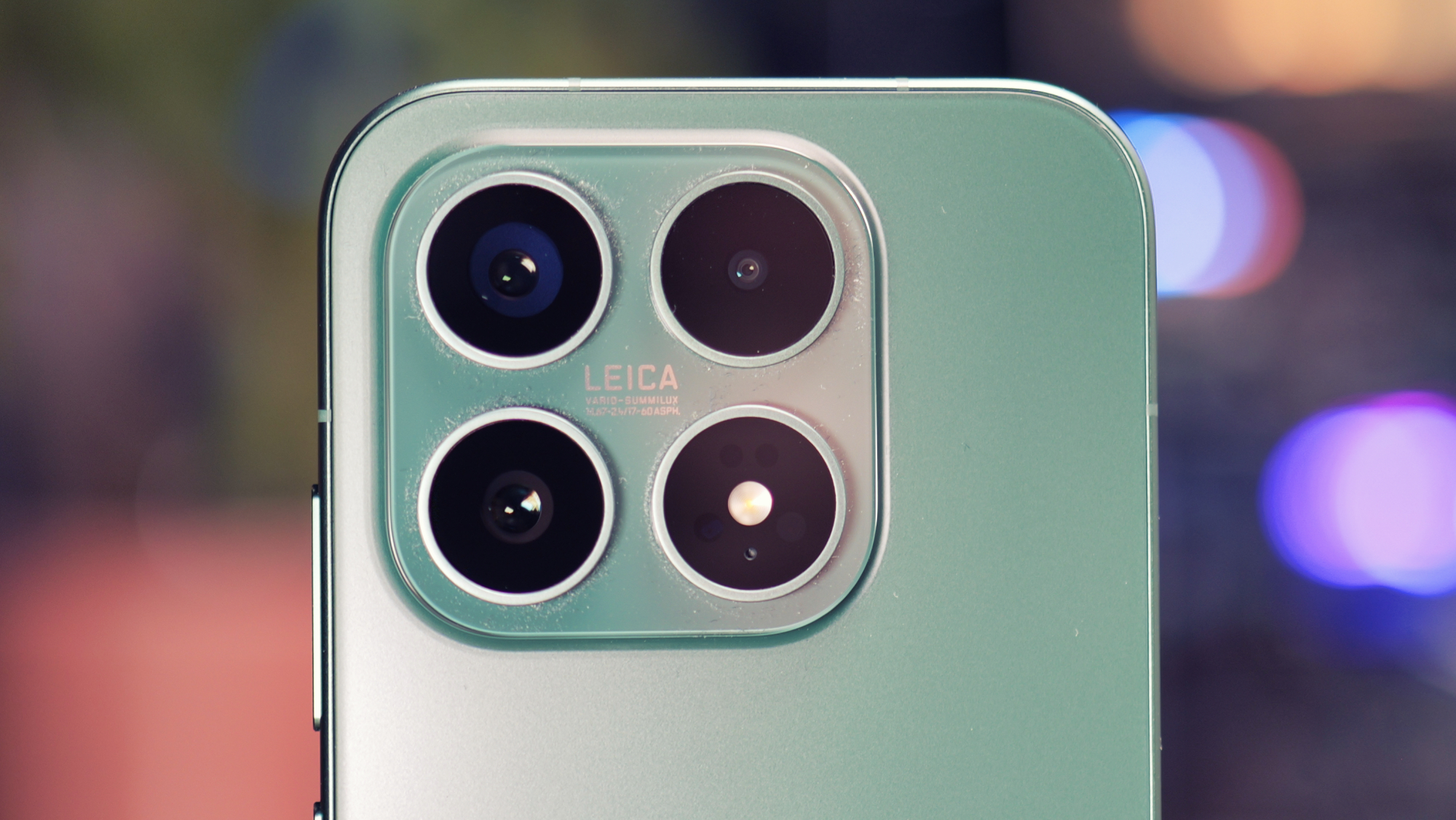
- Aluminum frame and glass back
- Black, Venture Green, Alpine Pink, and Ice Blue options
- IP68 dust- and water-resistant
One of the defining features of the Xiaomi 17 is its size. It’s not a tiny phone, but it’s similar to the base-model iPhone 17 or Samsung Galaxy S26. If you have smaller hands or hate carrying a big slab in your pocket, but you still want flagship specs, the Xiaomi 17 will suit you well.
This year, Xiaomi has ditched its usual black rectangular camera island in favour of a much more iPhone-like camera configuration. This design is unlikely to turn heads, but it looks decent enough, and you get an extra camera compared to the iPhone 17.
To be clear, I’m not complaining. The phone looks and feels premium. I’ve always been fond of Apple’s hardware, and it’s no surprise that I like this, too.
The biggest design difference between the Xiaomi 17 and the latest iPhones is that Xiaomi’s base model lacks the Camera Control and Action Button. All you get here is the volume rocker and a power/lock button. On the other hand, Xiaomi includes a basic clear case in the box, and a factory-applied screen protector; I can’t imagine we’ll ever see the same from Apple.

When it comes to color options, the Xiaomi 17 is available in Black, Blue, Green, and Pink. I have the green version in for testing, and I’m very fond of the shade. The color is matched on the side rails, no matter which one you pick.
The Xiaomi 17 is IP68 rated, which means you don’t need to worry about dust, and it’ll even survive brief dips in fresh water. It doesn’t quite match the IP69K rating of its Ultra sibling, but it’s likely to be water-resistant enough for most people’s needs.
- Design score: 4 / 5
Xiaomi 17 review: Display
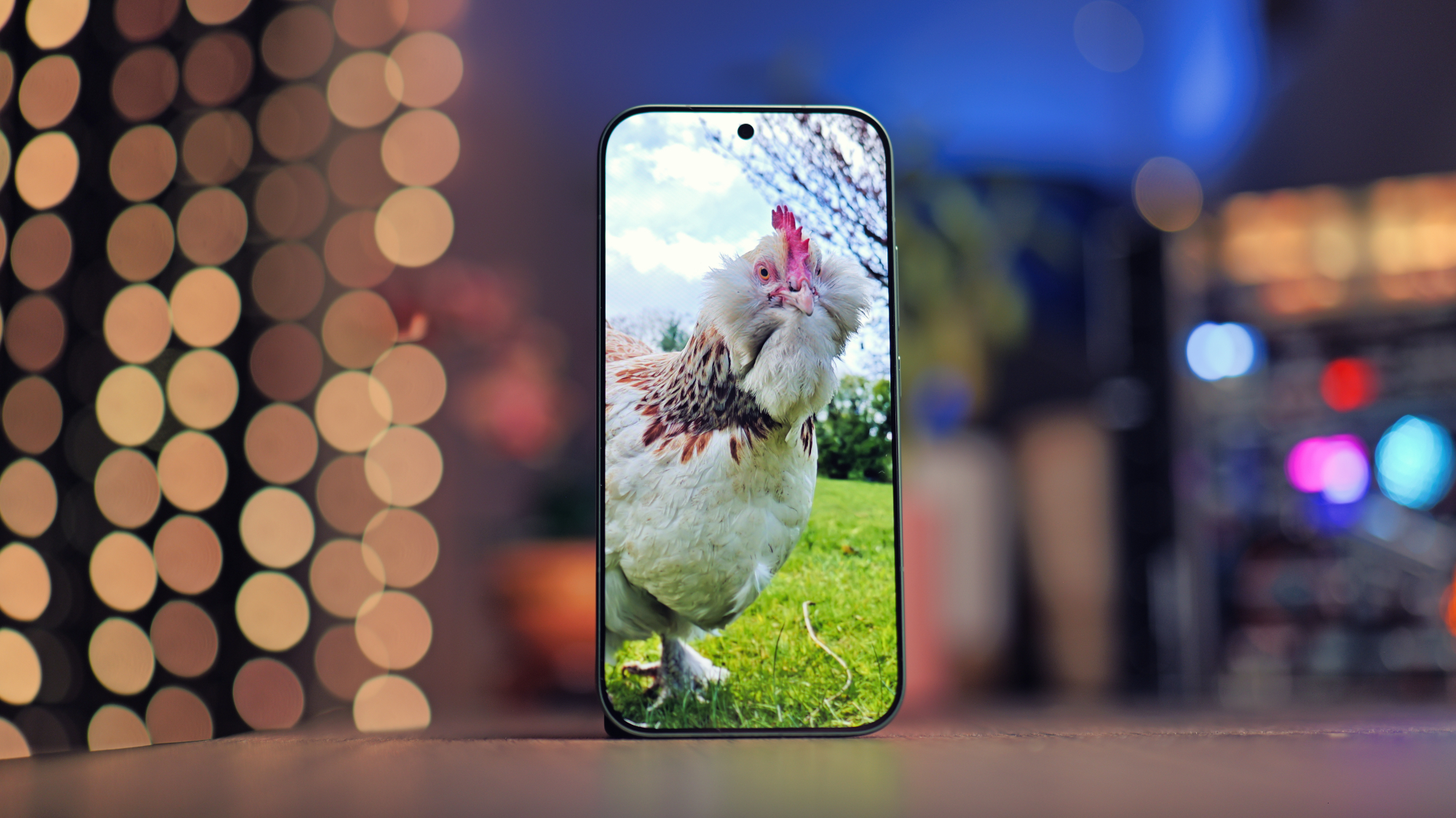
- 6.3-inch 120Hz OLED display
- 2160Hz PWM dimming
- 3,500 nits peak brightness
The Xiaomi 17 has a 6.3-inch 1220 x 2656 OLED display with an adaptive refresh rate of up to 120Hz. The specs aren’t too dissimilar to those of last year’s Xiaomi 15, but the display on the Xiaomi 17 has a higher peak brightness of 3,500 nits (up from 3,200 nits), as well as superior 2160Hz PWM dimming (up from 1920Hz).
The extra brightness is appreciated, but the Xiaomi 15 was no slouch in that area, either. In any case, the phone is very easy to see outdoors in direct sunlight. I’m not sensitive to flicker, so I can’t say I noticed the higher PWM frequency, but some users will certainly appreciate it.
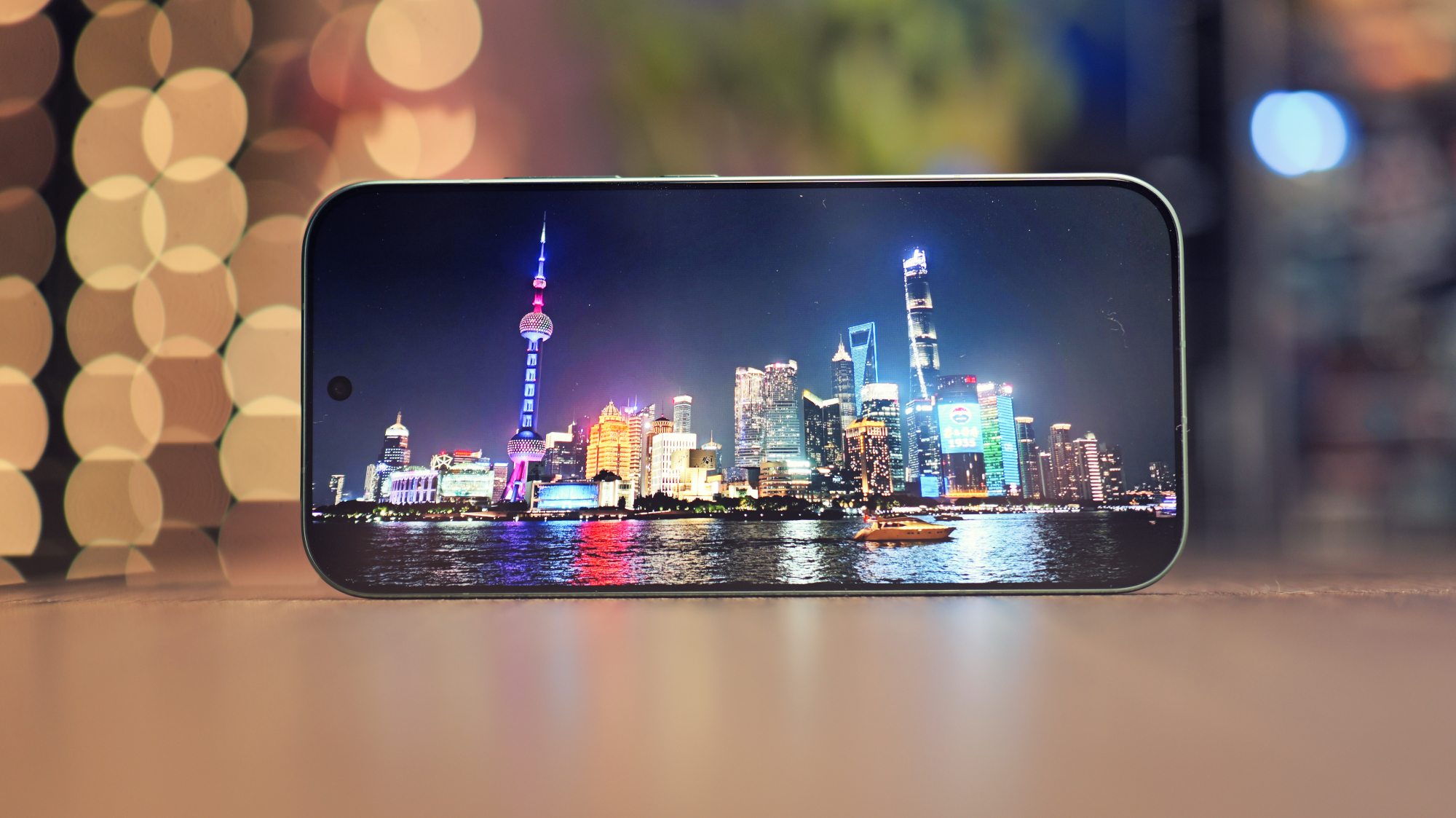
The Xiaomi 17’s screen looks excellent straight out of the box, with vibrant, accurate color reproduction and the deep, dark blacks that high-end OLED panels are known for. Of course, if you prefer to tinker, there are plenty of color options in the settings menu, too.
The main thing that sets this display apart is that it’s more compact than most. It’s large enough so as not to feel cramped, but it’s small enough that reaching the top of the display doesn’t feel like a chore. If you have smaller hands, I think you’ll really appreciate it.
- Display score: 4 / 5
Xiaomi 17 review: Cameras
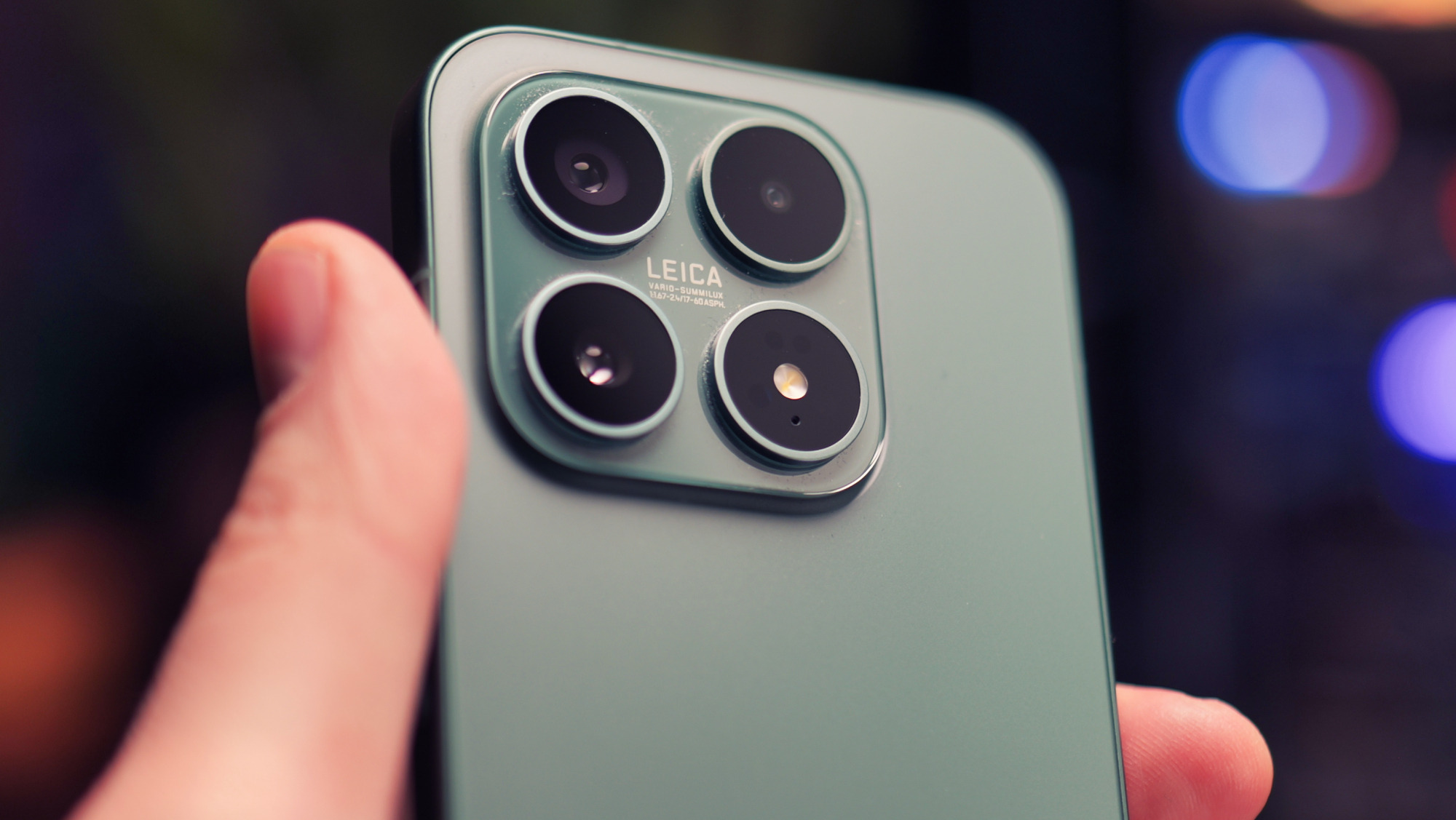
- 50MP main (f/1.7)
- 50MP ultra-wide (f/2.4)
- 50MP 2.6x telephoto (f/2)
- 50MP selfie camera (f/2.45)
The Xiaomi 17’s rear cameras have the same specs as those on the Xiaomi 15. This means you get a 50MP resolution on every camera, with a 17mm-equivalent ultra-wide, a 23mm main camera, and a 60mm telephoto.
My main complaint about the Xiaomi 15 was that the ultra-wide camera lacked autofocus, which meant you could only use it for wide landscape shots. Unfortunately, that hasn’t been addressed here, so don’t expect to use the ultra-wide for close-ups or group photos.
Otherwise, the cameras on this phone are quite impressive. I especially enjoyed using the 2.6x telephoto, which has macro focusing capabilities and can focus on objects that are just 10cm away from the lens. Funnily enough, the Xiaomi 17 is actually better than the Xiaomi 17 Ultra for telemacro shots, because that clever optical zoom technology in the latter phone increases the minimum focus distance.
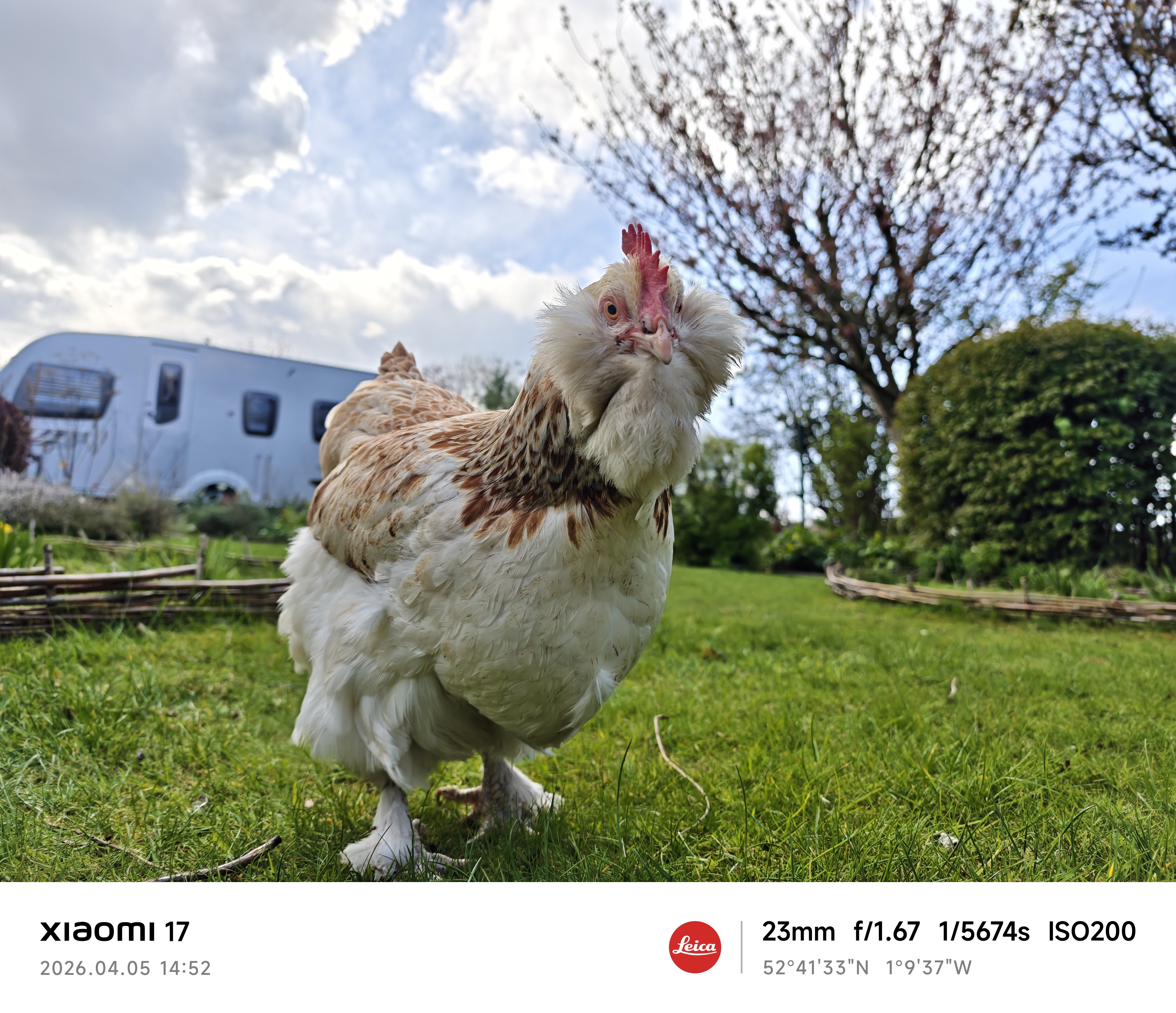
The Xiaomi 17’s main camera has a respectable 1/1.3-inch sensor size. It’s easily the best performer in low-light conditions, and it’s capable of producing some authentic background blur when your subject is close enough.
The selfie camera is the only lens that benefits from a spec bump. It’s 50MP, up from 32MP, and it now has autofocus. The difference is measurable. Selfies look much sharper and more detailed on the newer model.
In the past, I’ve found Xiaomi’s image processing to be a little hit-and-miss, but that’s changing rapidly. The Xiaomi 17 is very consistent, with natural-looking colors and a gently boosted contrast that makes images look eye-catching and exciting.
There are loads of great filters to play with, and portrait mode has excellent subject detection and convincing bokeh effects. You can take some stunning images with this phone.
Video performance is strong, too. The native camera app allows you to shoot in Log at up to 4K 60fps on all of the rear lenses, and gives you full manual controls, if you want them.
- Cameras score: 4 / 5
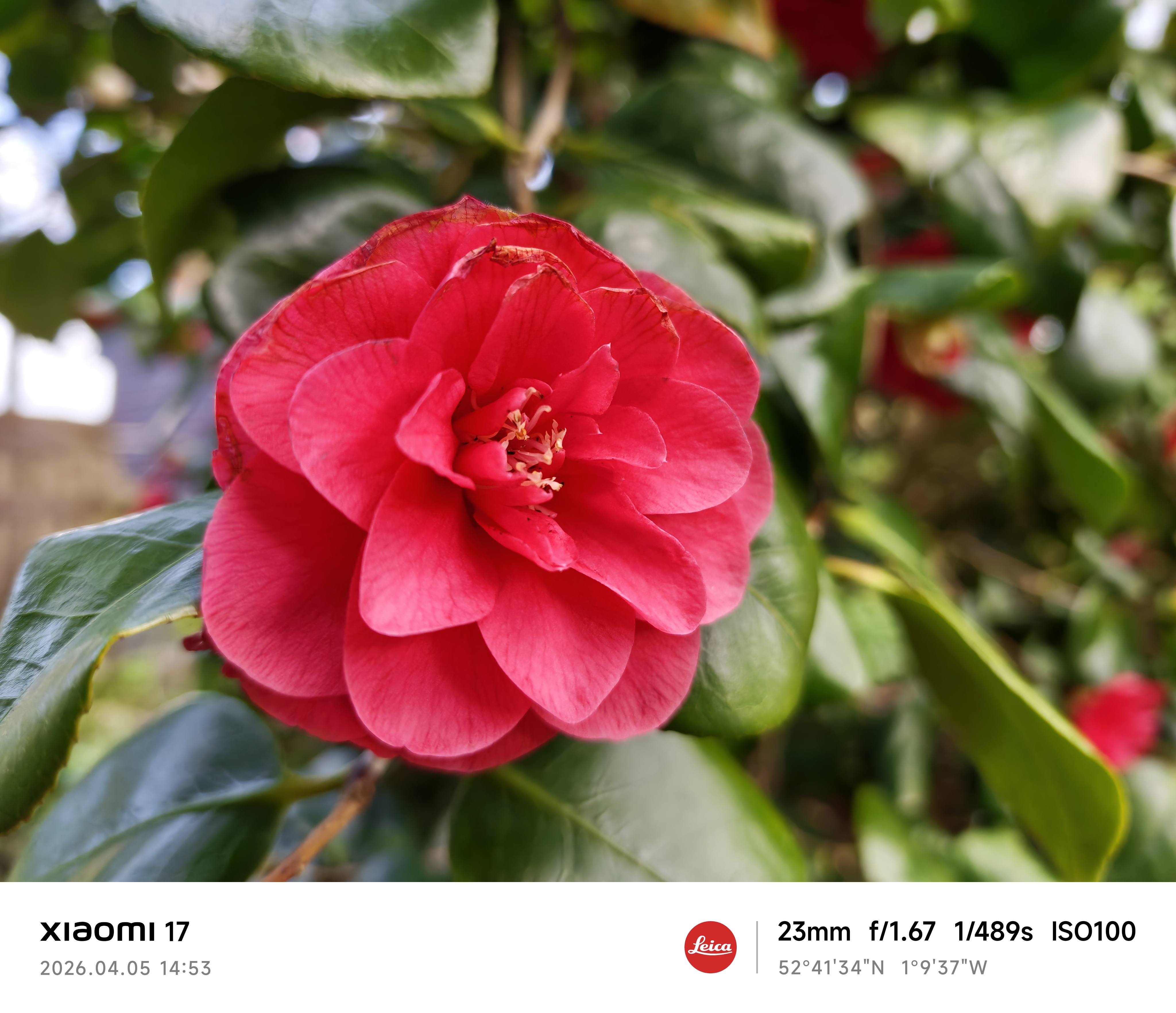
Xiaomi 17 review: Camera samples
Xiaomi 17 review: Performance

- Snapdragon 8 Elite Gen 5
- 12GB of RAM
- 256GB / 512GB of storage
The Xiaomi 17 is powered by one of the most powerful mobile chips on the market, the Qualcomm Snapdragon 8 Elite Gen 5, and it’s paired with 12GB of RAM and either 256GB or 512GB of storage.
With specs like these, it’s no surprise that the phone is a powerful beast. From complex video editing to high-end gaming, no matter what I threw at the Xiaomi 17, it handled the task with ease.
Being a smaller phone, I was a little concerned about the thermals, but I needn’t have been. Even after a solid hour of playing Genshin Impact on the highest graphical settings, the Xiaomi 17 had barely started to warm up.
A decent game overlay and really solid speakers add to the experience as well. The phone’s speakers have a better bass response than most rivals’, and plenty of clarity, which makes getting immersed in a title easy.
- Performance score: 5 / 5
Xiaomi 17 review: Software
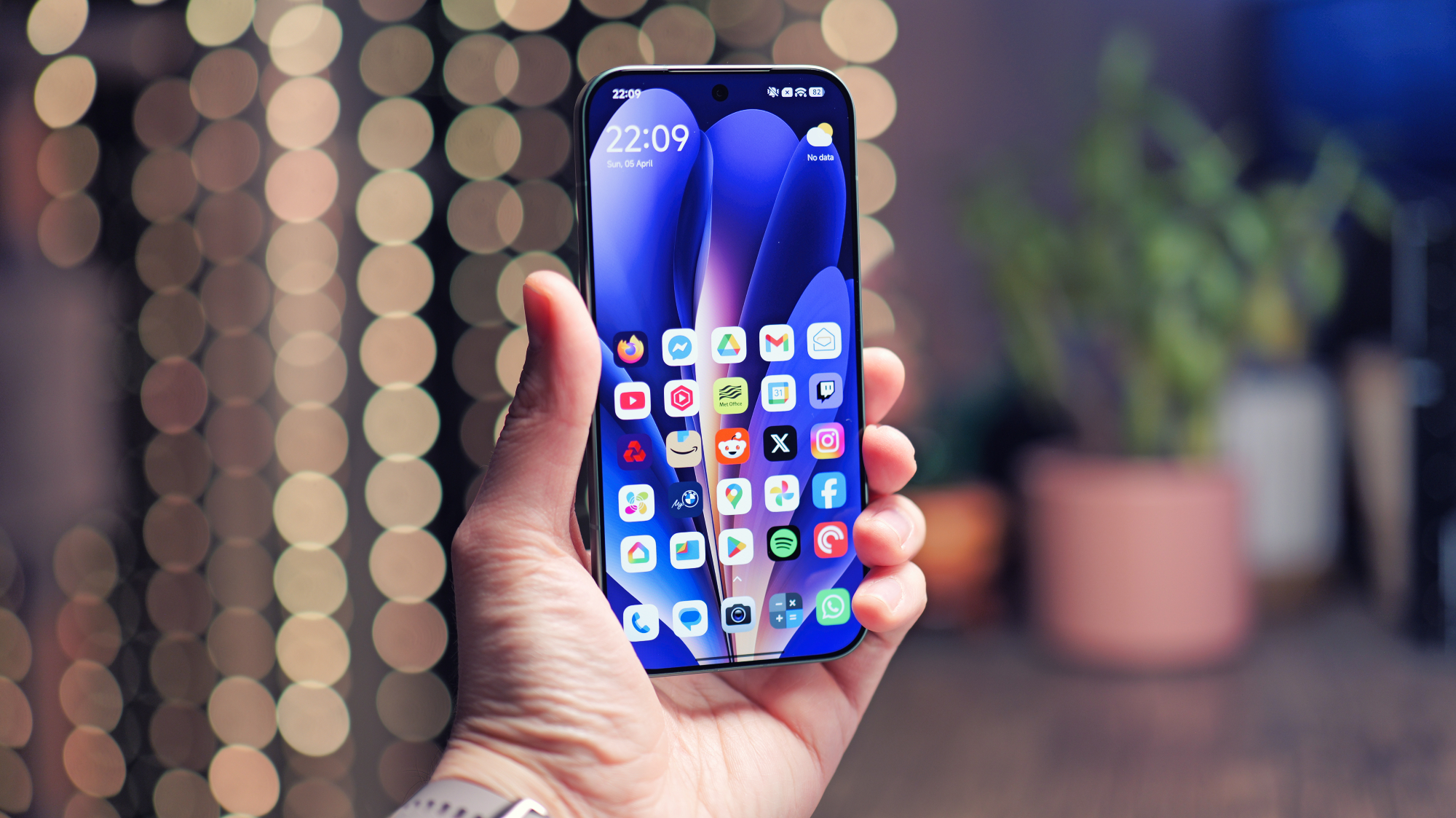
- HyperOS 3, based on Android 16
- New iOS-inspired makeover
- 6 years of updates and security patches (EU)
The Xiaomi 17 runs the latest version of HyperOS, which is a very heavily customized version of Android 16.
If you’ve used a recent device from Xiaomi, Redmi, or Poco, you won’t be in for too many surprises, as the basic layout and functionality remain the same.
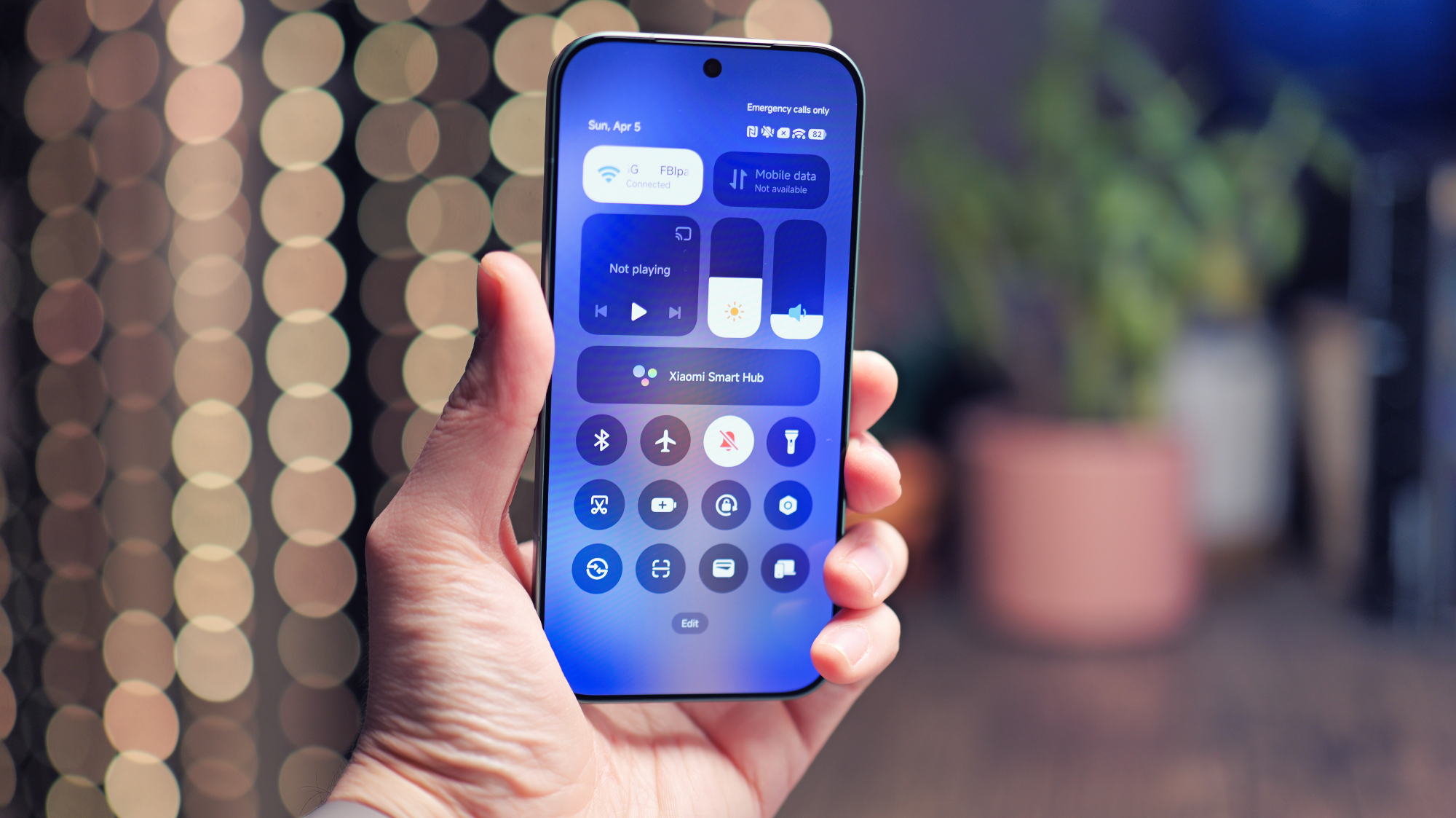
Aesthetically, though, there are quite a few changes. The OS feels more iOS-influenced than ever, complete with its own version of the Dynamic Island, a very familiar-looking quick settings panel, and lock screen options with depth effects and oversized clocks.
Personally, I quite like HyperOS 3, and I also appreciate how customizable it is. If you find something that doesn’t look or act in the way you would prefer, there’s a good chance you can change it.
It’s 2026, and no flagship is complete without a healthy serving of AI features. Here you’ll find all the usual tools like translation, transcription, writing assistance, and more.
The features I actually found myself using on the Xiaomi 17, though, were the AI image editing tools. Xiaomi includes all the favorites, like outpainting, object removal, upscaling, beautification, and so on. Everything I tried worked excellently.
Overall, I find HyperOS 3 very easy to live with; my only major complaint is that the battery optimization measures are a little heavy-handed. You might need to tweak some settings to make sure your notifications arrive promptly.
When it comes to long-term support, Xiaomi promises six years of updates and security patches. That’s not a bad offering, but it’s slightly behind the updated terms committed by Samsung and Apple.
- Software score: 4 / 5
Xiaomi 17 review: Battery
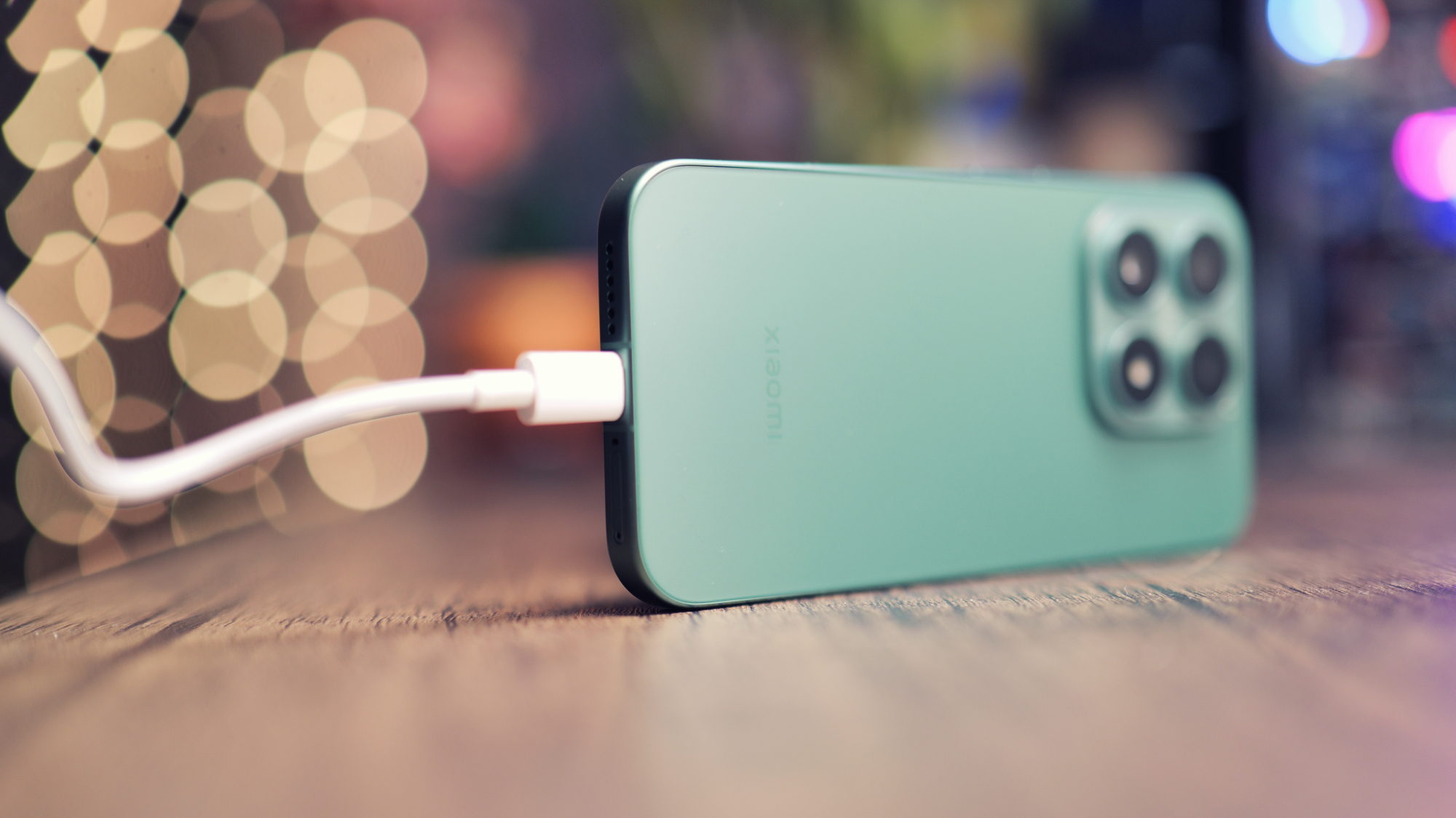
- 6,330mAh silicon-carbon battery
- 100W wired charging
- 50W wireless charging
One of the most surprising things about the Xiaomi 17 is that, despite being a smaller phone, it actually packs a larger battery than the Xiaomi 17 Ultra.
Using the latest silicon-carbon tech, Xiaomi has somehow managed to cram a 6,330mAh cell into this phone, while the Ultra only gets a 6,000 mAh equivalent (at least in Europe).
With my normal use, I found myself going to bed with about 40% battery remaining. I wasn’t able to get two days on a charge, but the battery would get me well into the second day. So, if you use your phone sparingly, a full two days might be achievable.
Charging is rapid, too. The Xiaomi 17 supports wired speeds of up to 100W, and wireless charging up to 50W. There’s no charger included in the box, but thankfully, Xiaomi supports the PPS charging standard, so you won’t need an official Xiaomi charger to make the most of that impressive wired speed.
My Sharge HyperTower 170 powerbank, for instance, was able to deliver the full 100W, which took the phone from fully dead to around 65% charged in just half an hour.
When it comes to wireless charging, you’ll need the official Xiaomi charging stand to get the maximum 50W speed. The phone will still work with Qi2 accessories, but you’ll have to wait much longer to get to 100%.
- Battery score: 5 / 5
Should you buy the Xiaomi 17?
Swipe to scroll horizontally
|
Attributes |
Notes |
Rating |
|
Value |
The Xiaomi 17 is priced similarly to its competition. It’s not an outright bargain, but it’s fairly priced. |
4 / 5 |
|
Design |
While it might not be the most original design, the Xiaomi 17 looks and feels premium throughout. |
4 / 5 |
|
Display |
It’s bright, sharp, the colors are accurate, and best of all, it’s not massive. |
4 / 5 |
|
Cameras |
Not a massive upgrade over the last gen, but an improved selfie camera and refined processing keep things appealing. |
4 / 5 |
|
Performance |
It’s super quick, and it doesn’t get too hot. |
5 / 5 |
|
Software |
HyperOS is super customisable and looks nice, too. |
4 / 5 |
|
Battery |
This mammoth battery will get you well over a day of use, and it charges in a flash. |
5 / 5 |
Buy it if…
The Xiaomi 17 is an excellent compact flagship, but it’s important to consider the competition, too. Here are a couple of competitors that are worth looking at.
Swipe to scroll horizontally
| Header Cell – Column 0 |
Xiaomi 17 |
iPhone 17 |
Samsung Galaxy S26 |
|---|---|---|---|
|
Price: |
£899 / €899 / AU$1,399 |
$799 / £799 / AU$1,399 |
$899 / £879 / AU$1549 |
|
Display: |
6.3-inch OLED |
6.3-inch OLED |
6.3-inch OLED |
|
Cameras: |
50MP main; 50MP ultra-wide; 50MP telephoto |
48MP main; 48MP ultra-wide |
50MP main; 12MP ultra-wide; 10MP telephoto |
|
Processor: |
Qualcomm Snapdragon 8 Elite Gen 5 |
Apple A19 |
Qualcomm Snapdragon 8 Elite Gen 5 |
|
Battery: |
6,300mAh |
3,692mAh |
4,300mAh |
How I tested the Xiaomi 17
- Review test period: One week
- Testing included: Everyday use, including web browsing, social media, photography, video calling, gaming, streaming video, music playback
- Tools used: Geekbench 6, 3DMark, native Android stats
I put my SIM card into the Xiaomi 17 and used it as my main phone for around two weeks. I used it exactly as I would any other phone, taking lots of photos, gaming, messaging, working, streaming video, and navigating with Google Maps and Waze.
I also compared the experience of playing graphically challenging games like Genshin Impact to my experience on other Android flagships like the Samsung Galaxy S26 Ultra and Oppo Find X9 Pro. I ran lots of benchmarks on the handset, including 3DMark and Geekbench, to confirm my performance findings.
I assessed the battery performance based on my real-world usage, and charging times were measured using PPS-supported chargers from Ugreen and Sharge, along with the included charging cable.
First tested April 2026

Luke is a freelance journalist with over a decade of experience in the consumer electronics industry. Previously Features Editor at Pocket-lint, Luke can now be found contributing reviews and features on the latest smartphones and camera tech to the likes of TechRadar, Trusted Reviews, Tech Advisor, Pocket Tactics, Digital Camera World, and more. He also runs a YouTube channel called Neon Airship in his spare time, which features deep dives into the latest and greatest smartphone imaging tech.
