

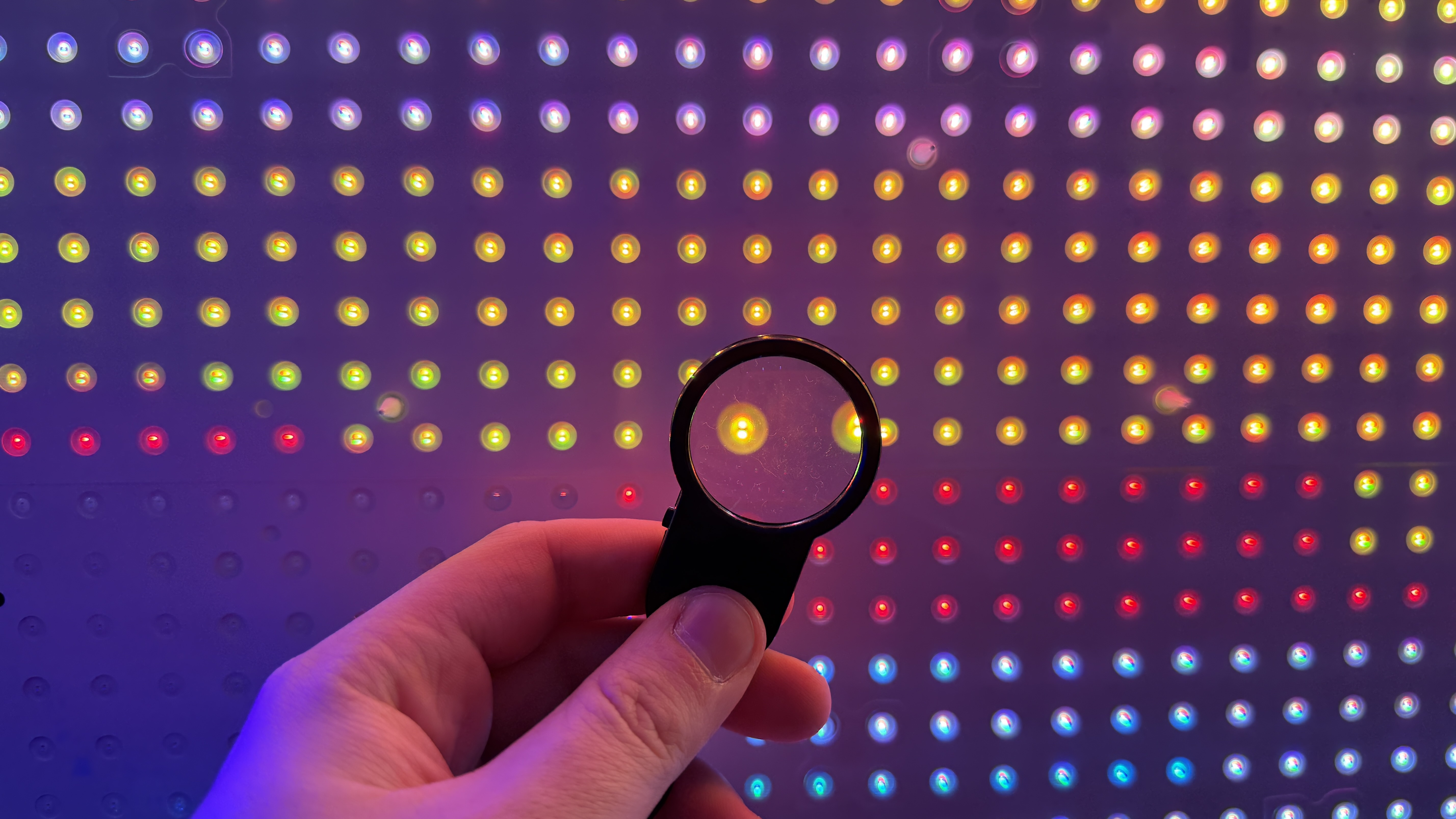
Ever since I saw my first RGB-backlit TV at CES 2025, from Samsung (immediately followed by Hisense and TCL later in the show), I’ve been really bullish on the technology’s potential — even going so far as to call it “a huge danger to OLED TVs”.
2026 is really the year of the RGB TV, with major launches coming from nearly every huge TV maker, and I’ve been really excited by the models I’ve seen in previews, ranging from Samsung’s first-of-its-kind 130-inch RGB TV to Panasonic’s tease of a future RGB model it may launch, to Hisense’s UR9 RGB TV that’s unique by offering a DisplayPort connection, to Sony’s demonstration of the tech it plans to launch in 2026.
Article continues below
They’re not even here and they’re too confusing
A major part of the problem is that there are already just too many variations — or possible variations — and considerations to track.
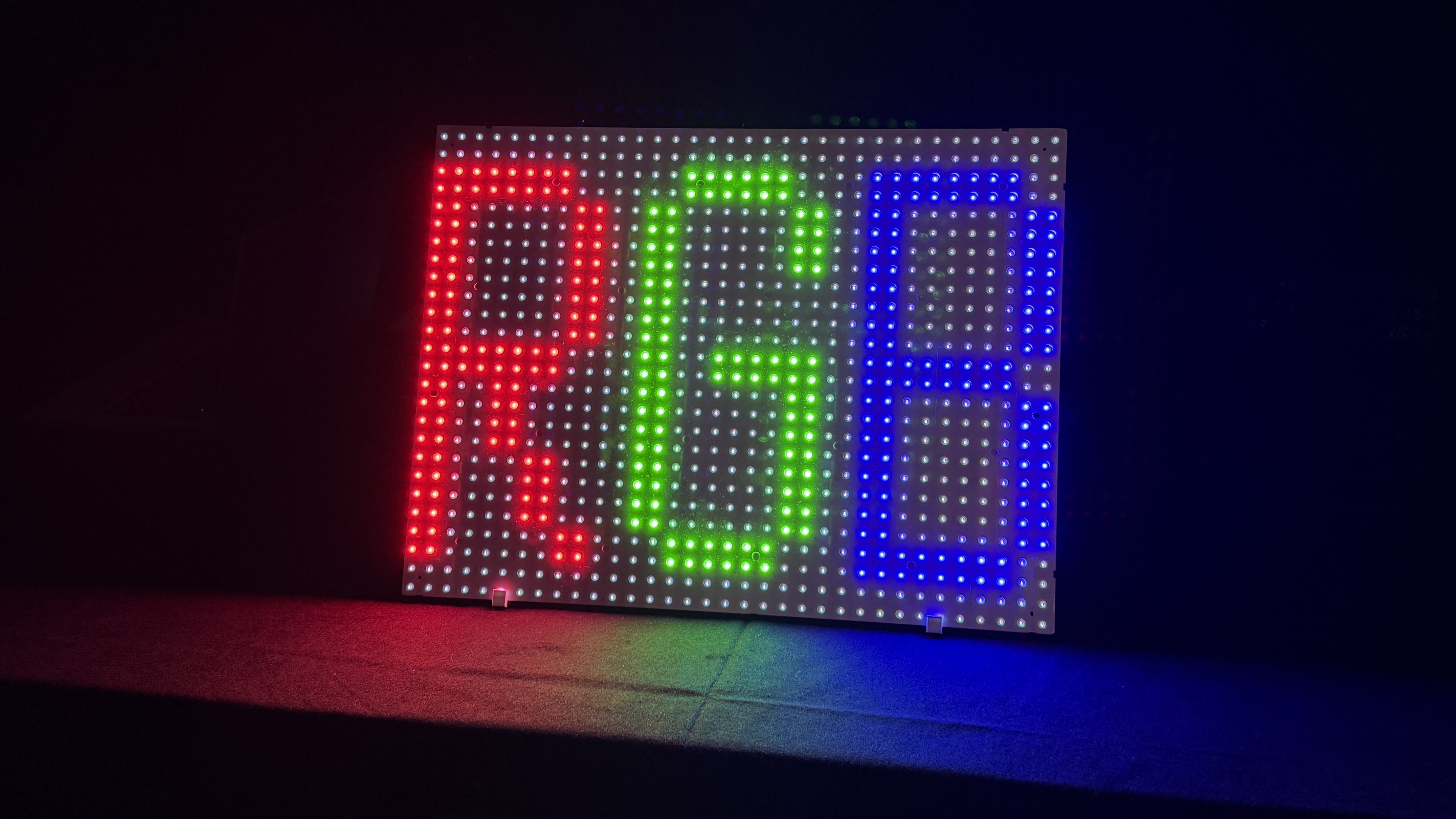
You can read our full explanation of RGB-backlit TVs here. Still, the gist is that because it uses a colorful backlight, that means it can deliver a wider range of colors than regular mini-LED and can have less light bloom from bright areas to dark area potentially, because colors don’t always leak as obviously (as my colleague Jake Krol noted on his more recent trip to see Sony show off its RGB tech again).
So, this is a new technology that’s better than regular mini-LED, right? It’s the most premium tech, ready to take on the best OLED TVs?
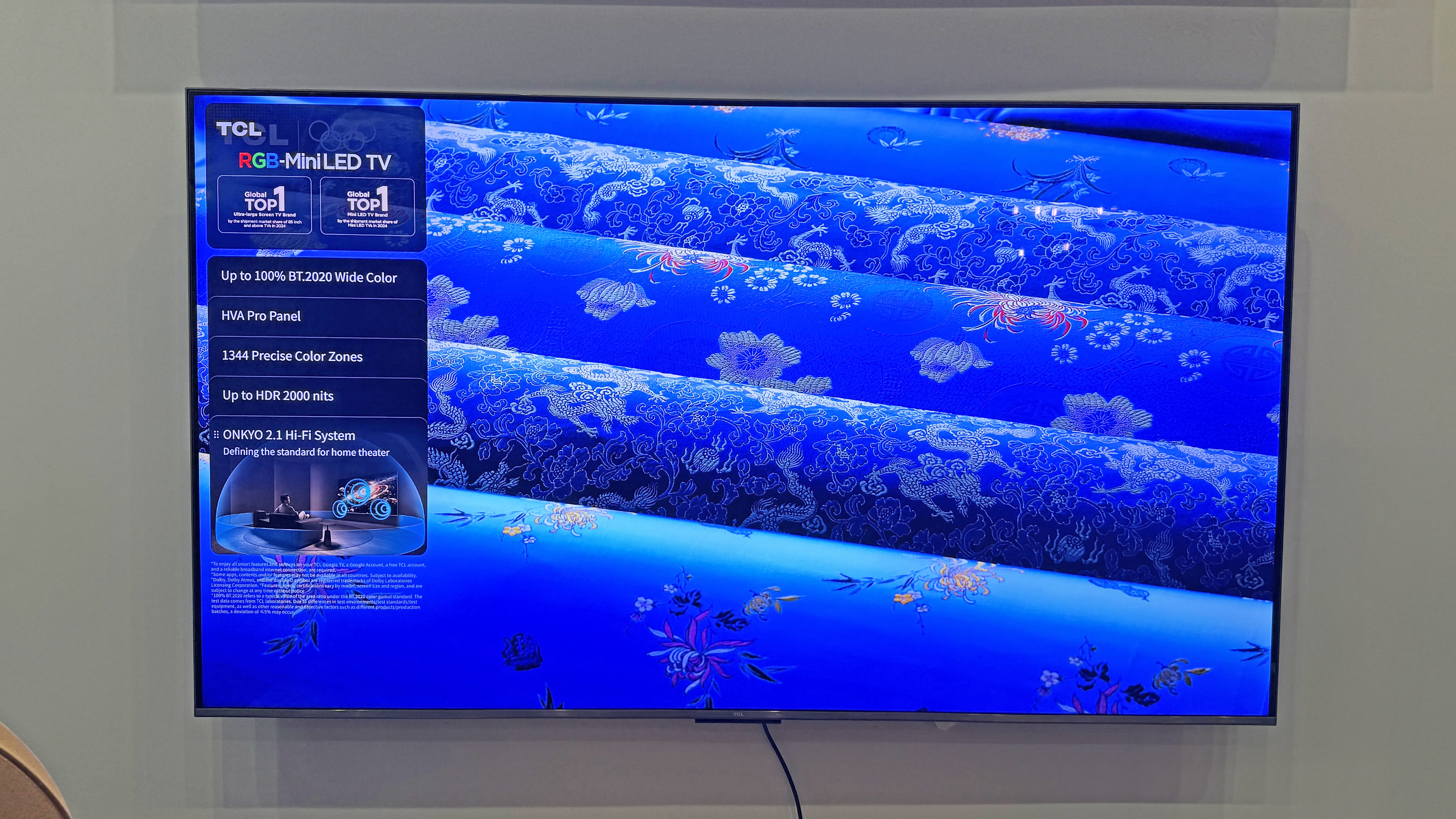
Well, not according to TCL, which is including two RGB TVs in its new TV range, and neither of them is its flagship TV. The flagship is the TCL X11L, which uses a new-and-improved version of regular mini-LED tech to deliver some impressive results compared to other mini-LED models in our testing.
Here’s what’s most confusing: one of the RGB TVs that TCL is launching is its second-fanciest model, sitting just below the X11L, but the other is one of its least-premium models, sitting below its mid-range 7-series mini-LED TVs, due to its limited number of dimming zones and middling brightness.
LG is also launching RGB TVs, which might come as a surprise given that it’s the standard-bearer for OLED. Well, guess what? It’s positioning its RGB TVs below the LG G6 and LG C6 OLED TVs in the range, and it really just seems to be offering them so it can provide an affordable, larger-screen option than its OLEDs can deliver.
Philips is similarly launching an RGB TV model that seems to replace the mini-LED models it’s always had that sit below the OLEDs in its product range, so it’s the same deal there.
So all three of these companies think that RGB TVs are not going to be the flagship. But Hisense disagrees! Its flagship TV this year is an RGB TV, and the TV just below that will also use RGB tech, and then it switches to regular mini-LED tech once you get to the mid-range U7-series (which looks great this year thanks to a new anti-reflective layer).
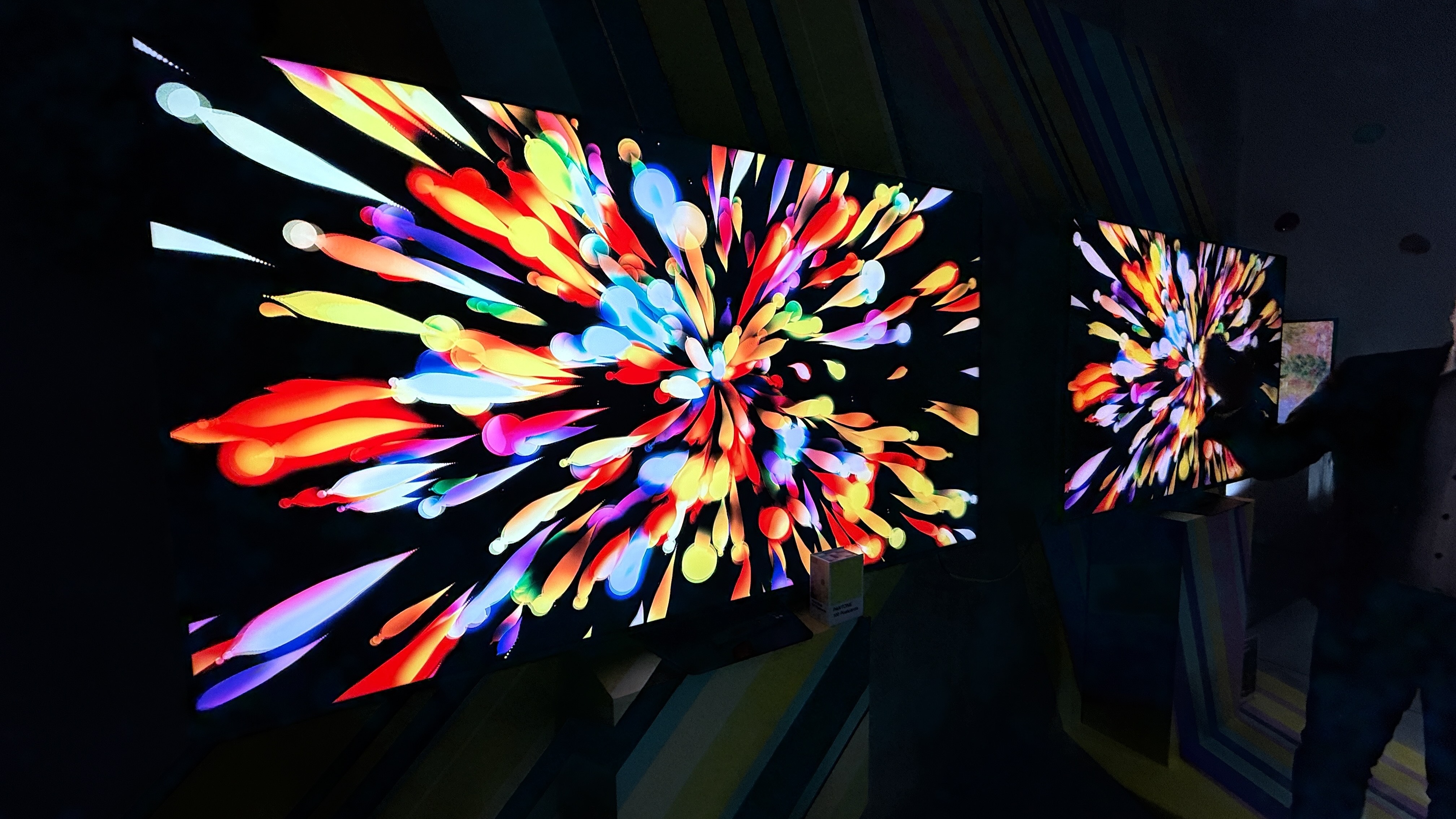
Samsung is also making RGB TVs the flagship of its LED range, with mini-LED models only coming in lower down the range with the QN80H and below (including some models that are mini-LED without QLED, which genuinely shocked me).
Except Samsung has a kind of split flagship TV personality these days: is the flagship the Samsung R95H RGB TV, or is it the Samsung S95H/S99H elite OLED TV (which has impressed us in our early testing at home)? It’s basically both!
Sony will launch its ‘True RGB’ TV sometime this year, but we have no idea what the price will be, or how it will compare to the Sony Bravia 8 II OLED TV in the line-up — but I expect it to sit above it, based on Sony’s pursuit of 4,000 nits reference-quality TVs to match its studio monitors.
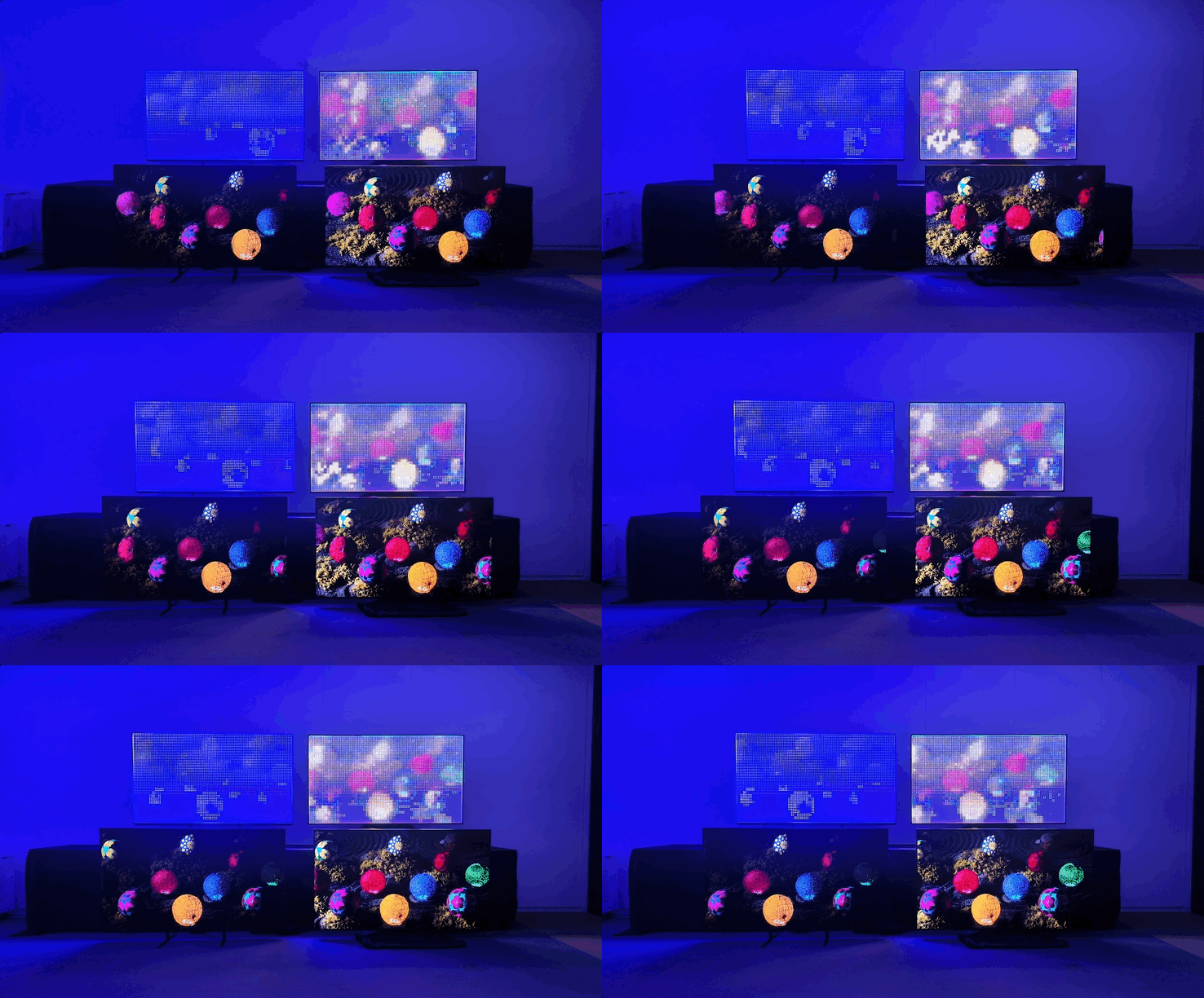
So to recap, is RGB tech the new premium OLED-killer tech? Well, LG and Philips seem to think it’s not, and OLED is still the top dog. Samsung hasn’t chosen a side. TCL doesn’t like OLED anyway, and yet still says RGB tech doesn’t even beat its own mini-LED tech.
Only Hisense is fully committed, and is even removing its sole OLED TV from sale in 2026.
So what’s the average TV buyer supposed to think? Obviously, the TechRadar TV team is going to be testing them to work out which are indeed very premium and which should be genuine alternatives to OLED as the premium TV pick… but for someone who’s just trying to understand the options available to them and level of quality you get from a particular type of technology, the RGB launch looks like a total fumble.
And that’s before you get to trying to reckon with what’s in the panels themselves.
Not all RGB tech is created equal, probably
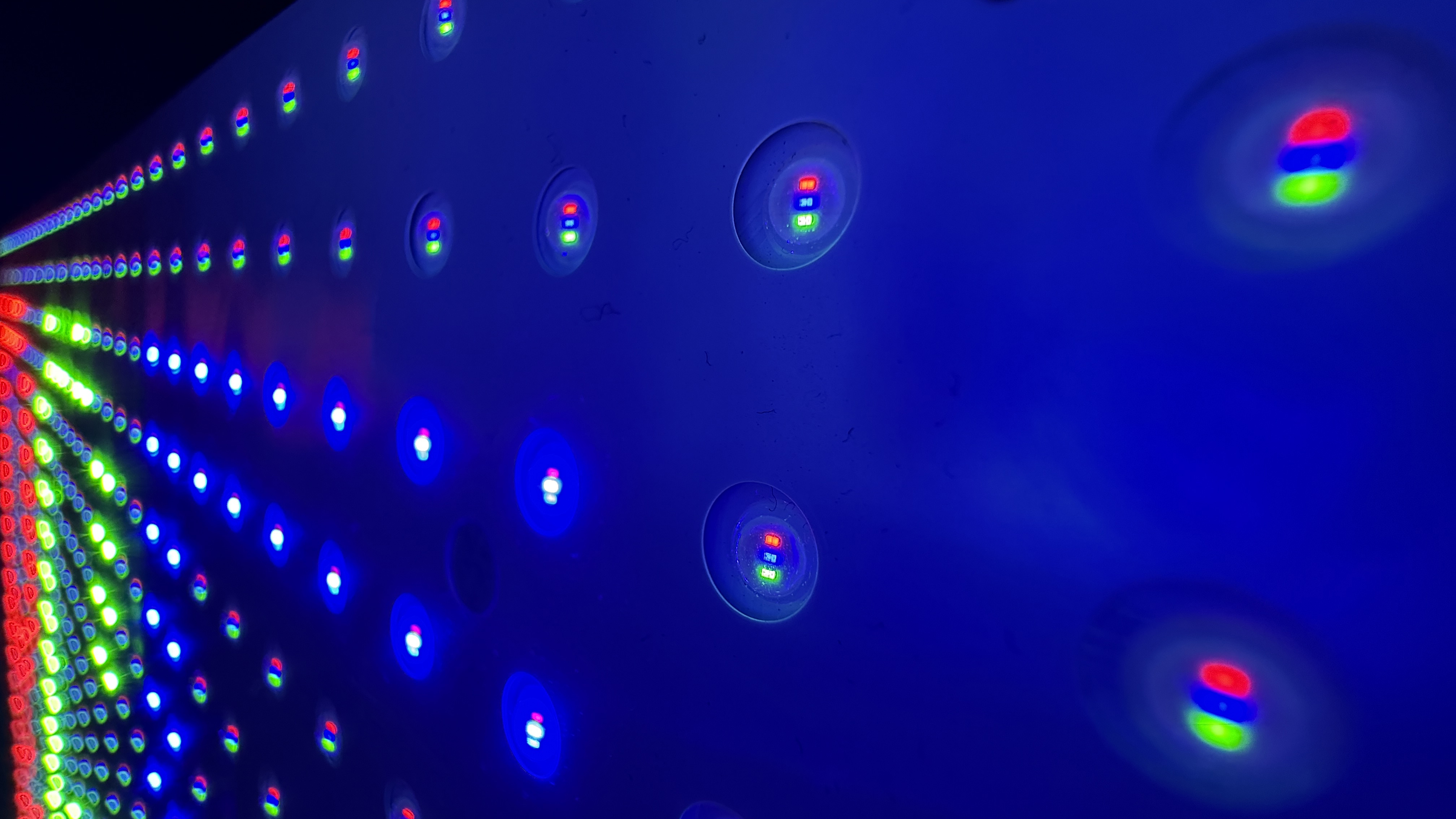
Since mini-LED launched around 2021, the technology has become… complicated. There’s no rule on what can be called “mini-LED,” so some of the TVs marketed that way today are just TVs we would have known as direct-LED TVs in the past. Samsung even released edge-lit TVs that it markets as mini-LED, which I think is pushing the definition too far.
But also, do you get better results from something with very small LEDs packed in, but terrible control of light bleeding from one area to another, or from something with bigger LEDs in fewer zones, but with better shaping of the light as it passes through the panel?
At first, the technology was very samey, but it’s developed into something complex over time with a million ways to approach its simple concept.
RGB TVs are launching with a ton of confusion around the specific implementation already built in, even though they offer such a clear original concept (of having a colorful backlight instead of a single color).
For example, did you know that some RGB TVs might not actually use red, green, and blue LEDs in each backlight element, as is the whole promise of the technology? There are versions of the tech that use two LEDs (blue and green) with a phosphor color filter to create the full range of hues. This would be cheaper to make, but it will surely perform less well.
Sony has been making a big fuss about how its upcoming TV will have individual red, green, and blue LEDs for each backlight element, because it’s a premium piece of tech. Sony seems to be briefing against other brands that might be cutting corners, to make clear that its (probably high-priced) TV is worth the cash.
Who would be launching a cheaper TV that cuts corners this way? Most people would probably guess the Chinese brands that have been undercutting the likes of Sony and Samsung on price for years.
But Hisense is doing the exact same briefing as Sony against unnamed competitors who may use the cheaper version. The company told me that its two new RGB TVs use all three LED colors, unlike some that might be using the dual-LED system.
Okay, what about TCL? The company certainly gets some side-eye from TV enthusiasts following the result of a lawsuit saying that it can’t call certain TVs “QLED” anymore. Well, TCL told me explicitly that its higher-end RGB model not only uses all three RGB LEDs, but it actually has two of each LED per element to provide better light performance.
The company said that the red element even uses an individual control chip per red LED, because the red wavelength needs the most careful management. For green and blue, the two LEDs are each controlled by one chip.
Now, Sony’s made a big song and dance about having one LED per color, and TCL’s out here with two LEDs per color — who’s the more premium now, eh, Sony? The answer is: I have no idea! We’d have to test both, but this whole thing leaves me exhausted rather than excited about a new technology that hasn’t even launched yet. Multiple companies are pointing fingers at others for cutting corners, but everyone is also successfully emphasizing how they’re absolutely not cutting corners.
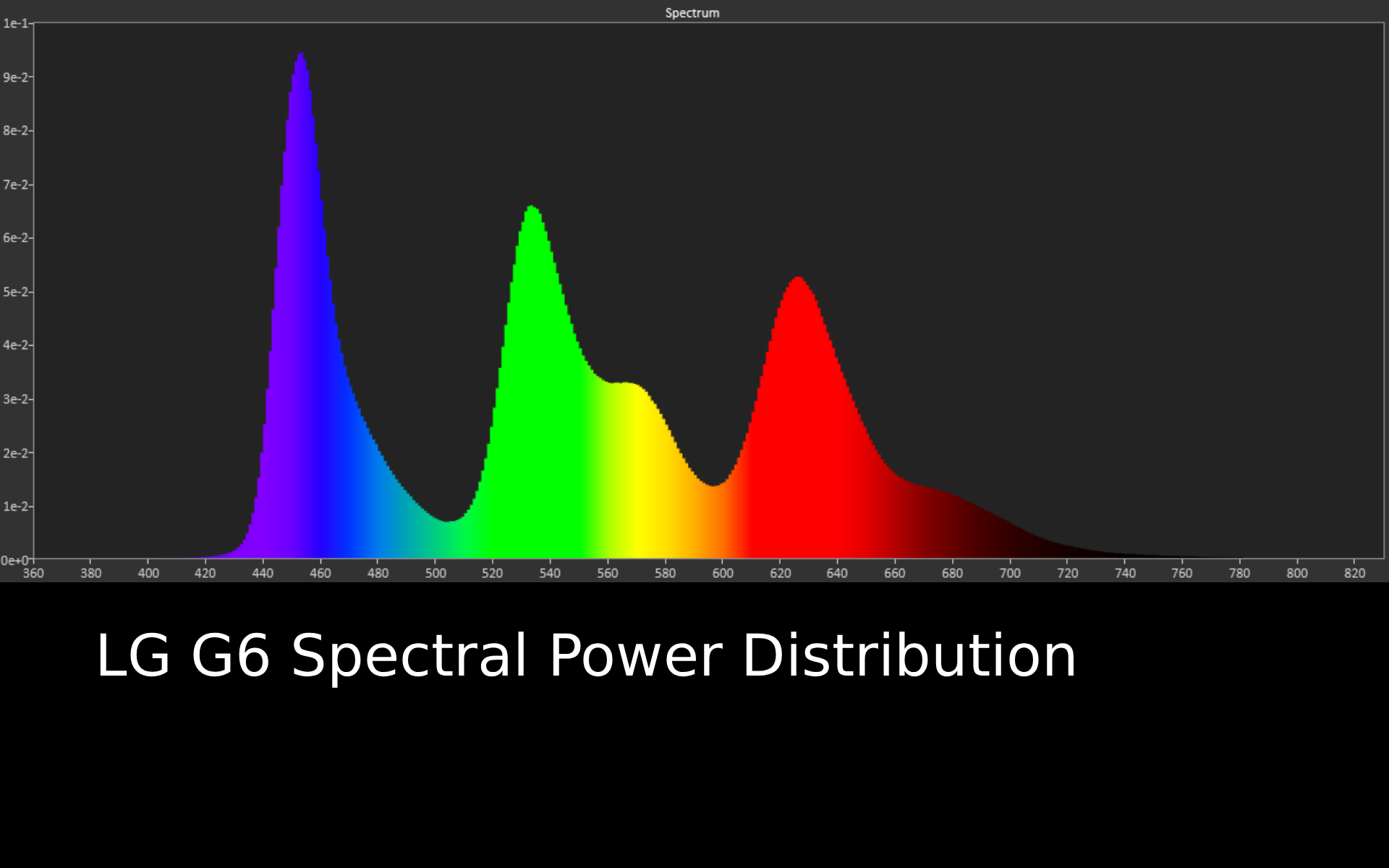
The good news is that it should be very obvious if TVs are using the cheaper system once we get them in our labs, because the spectrum power distribution of a TV screen is like a fingerprint for different technologies, since it measures the inherent luminance of different wavelengths within the panel, which gets adjusted for the content.
But the thing is, we’re not even done with the technology being confusing yet, because at CES in 2026, Hisense literally didn’t show its two new RGB TVs at all, instead opting to show the next version of the tech, which is no longer RGB anymore. It’s RGBC, because the company is apparently adding a cyan LED in addition to the red, green, and blue.
Am I excited about this? I don’t know, man, why don’t you let me see what I think of the RGB ones first!
And I haven’t even talked about how RGB TVs will often “color zones” instead of the “dimming zones” you get with mini-LED, meaning you need to divide the number of color zones by three in order to get the equivalent number to simple dimming zones, because color zones count all three RGB elements as independently dimmable (but this is silly, because we only care about the number of zones in terms of their ability to turn things black).
What do you tell people in your own advertising?
Look, it’s obviously great that the TV world is more innovative and competitive than it’s ever been right now. It’s going to mean better results and cheaper TVs for people buying them, so I’m far from mad about all this.
But I’m bemused, because the TV companies are making it both harder for themselves and for me by rolling this tech out in such a chaotic manner.
Take Hisense, valiantly betting on RGB as being the flagship top-of-the-line TV. It will surely just advertise that RGB is the best you can get — nice and easy, right? Except TCL will offer an RGB TV that massively undercuts both of Hisense’s TVs, so Hisense’s own advertising may work against it because it makes that TV look incredibly tempting in comparison to its own — and both companies have opted to name their versions of the technology ‘Mini RGB’, so they’ll sound incredibly similar to most people.
When someone asks me whether one type of TV technology is better than the other, or even just whether something is good for a particular purpose, I can normally give a succinct answer, even if it starts with ‘depends’.
I really don’t know how to answer with RGB tech this year. I’ll probably have to tell people to ignore the name and just think of it as mini-LED because of how interspersed it is with mini-LED tech between different manufacturers at similar prices.
But that seems like such a waste of a new screen technology, doesn’t it? OLED has such a simple dominance of branding as the premium TV tech, and RGB could have challenged it, but collectively, the branding has been diluted before it even launched fully.
Thinking of buying a new TV?
Try our TV size and model finder! You tell it how far you sit from your TV, we’ll tell you what size to buy based on viewing angle advice from image quality experts, and we’ll recommend our three top TVs at that size for different prices.
Follow TechRadar on Google News and add us as a preferred source to get our expert news, reviews, and opinion in your feeds. Make sure to click the Follow button!
And of course, you can also follow TechRadar on YouTube and TikTok for news, reviews, unboxings in video form, and get regular updates from us on WhatsApp too.
