


The below articles are sponsored by one of our partners. Product choices and opinions expressed are from the sponsor and do not reflect the views of the Android Police editorial staff.
Technology can be a wonderful thing that makes our lives better and easier, but there are downsides: apps with tracking that’s always on, surveillance, and excessive subscriptions. If you use a smartphone, odds are you (and your family) probably share your location data, but HeyPolo can help.
Released in March 2026, HeyPolo is a privacy-first, family safety app for iPhone and Android. It lets family and friends stay connected without tracking them or selling data to the highest bidder. In a world where users are the product, it’s refreshing to find a location-sharing app for families focused on keeping privacy intact and even helping keep them safe while they drive.

HeyPolo
- Key highlights
- Real-time location sharing, arrival alerts, and driving features
- Platforms
- Android and iOS
- Brand
- HeyPolo
HeyPolo is a family location sharing app that doesn’t sell your data. With features like SOS alerts, messages, unlimited family members/devices, and cross-platform compatibility, it’s a privacy-focused location app to help keep your loved ones safe.
Sharing a location is becoming a new way of communicating with the people in our social groups. With widespread adoption among younger generations, there’s growing concern about privacy and safety.
HeyPolo is a cross-platform family safety and location-sharing app, compatible with both iPhone and Android devices, that addresses those concerns and much more. Apart from location sharing, the app lets families stay in touch and send communications. It also offers safe driving features to help keep loved ones protected on the road.
But more than that, it’s focused on privacy and data protection in ways that are actually beneficial to its users.
With HeyPolo, your data is not for sale
No matter where you go or what apps you use, it seems like someone is always looking to siphon your data. It’s valuable to everyone from marketers to AI companies. A family safety and location app shouldn’t do that. It should keep your data safe and private.
Try to imagine this scenario: you trust your family’s location data and your kids’ activity tracking to a popular location-sharing app like Life360. It works well, but there’s a downside: the app sold your family’s data.
The HeyPolo app takes your privacy seriously. It doesn’t share or sell your family’s location data with other companies, and it never will. The app does need some data to work properly (location apps don’t work without knowing your location), but that data is end-to-end encrypted.
That means data sent or received through the app can only be seen/decrypted by the sender and the recipient. This keeps your family’s data and personal information out of the hands of third parties.
The company regularly audits its app for anything that can compromise your data and privacy, so you know you’ll be safe while you use it.
Invasive tracking is a thing of the past
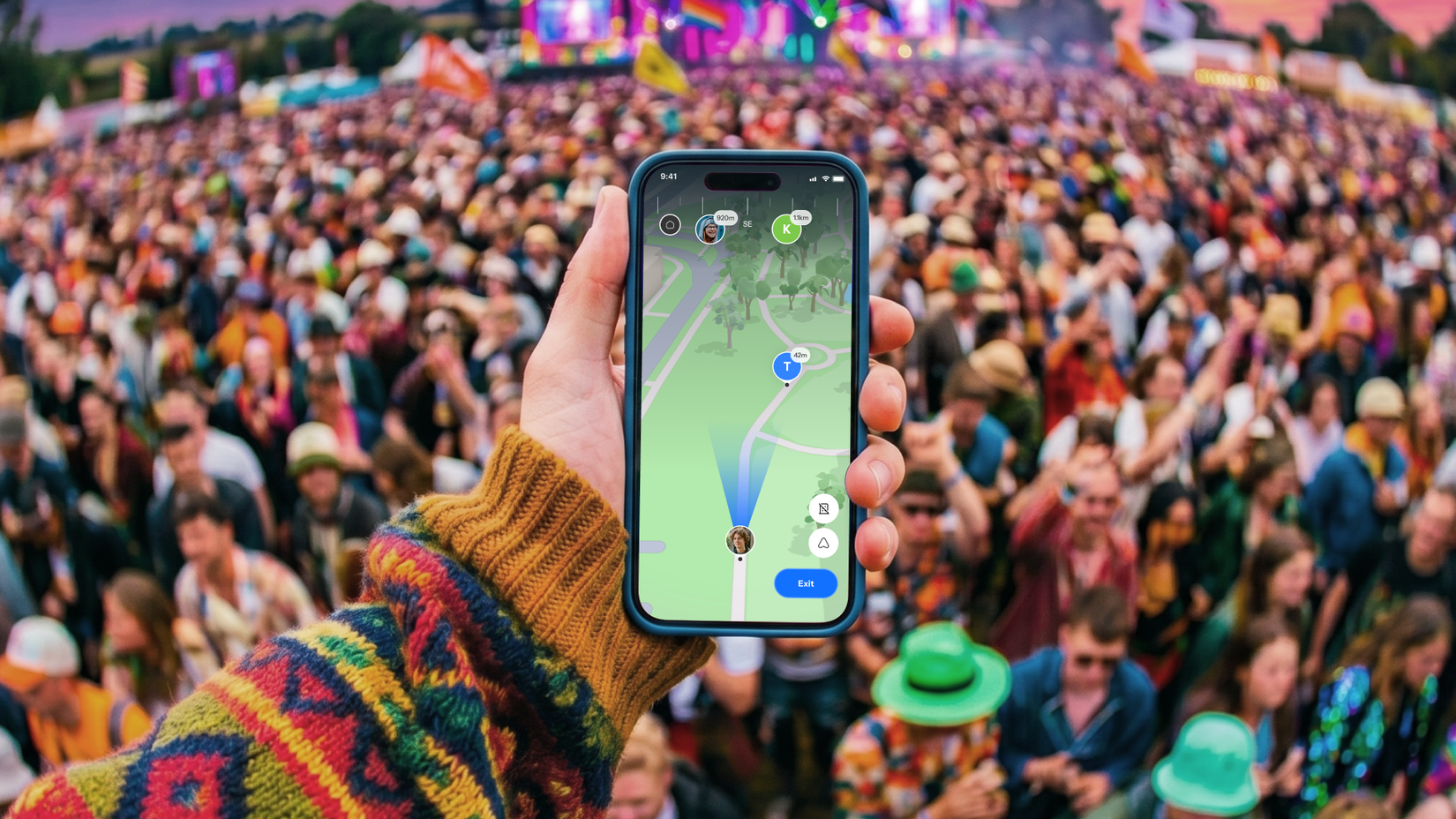
Even with data protection in place, a family safety app still needs useful, practical features. HeyPolo has plenty of beneficial location, driving safety, and sharing features. It’s also important to highlight what the app doesn’t have.
HeyPolo doesn’t feature always-on tracking, which is an important step to staying safe. But what does that actually mean? Always-on tracking means an app constantly monitors your location, whether you’re using it or not. It’s not always a bad thing (servers, pacemakers, and other medical equipment, for example). However, when we’re talking about an exact, real-time location, it can lead to some privacy concerns.
Users should be able to choose whether they want to use this feature, unlike other apps that make you opt out of it. Instead, HeyPolo offers real-time location sharing, so the user can decide to share a precise location or just their general location.
In fact, HeyPolo is unique in that area. One person pays, and every other family member gets to join. Then each family member controls what they share from the app with other family members. That means they can control their visibility levels, location, and even who they share that information with. That’s quite a departure from apps that know where you are and what you’re doing at all times.
The app also doesn’t restrict how many groups you set up. If you want one for friends and work in addition to your family group, you can add it. HeyPolo lets you include an unlimited number of family members for no extra cost.
HeyPolo manages your location history with privacy in mind
One of the benefits of having control over your data and using an app that doesn’t share or sell it is that it doesn’t keep your information in permanent storage. Members of HeyPolo family groups get all the benefits of seeing location history, like routes they take or when they get to or leave a location. But instead of that data being stored on a random server until it’s sold off, history just gets deleted after seven days.
Users can also share their life position if they want to. If they choose to turn on this feature, it uses a very low-battery (less than 4% a day) form of background tracking. In order for it to work, both parties must consent to sharing the information, and either side can turn it off whenever they please.
Real-time location sharing data auto-deletes after 30 days and works on both iPhone and Android.
Safety is only five minutes away
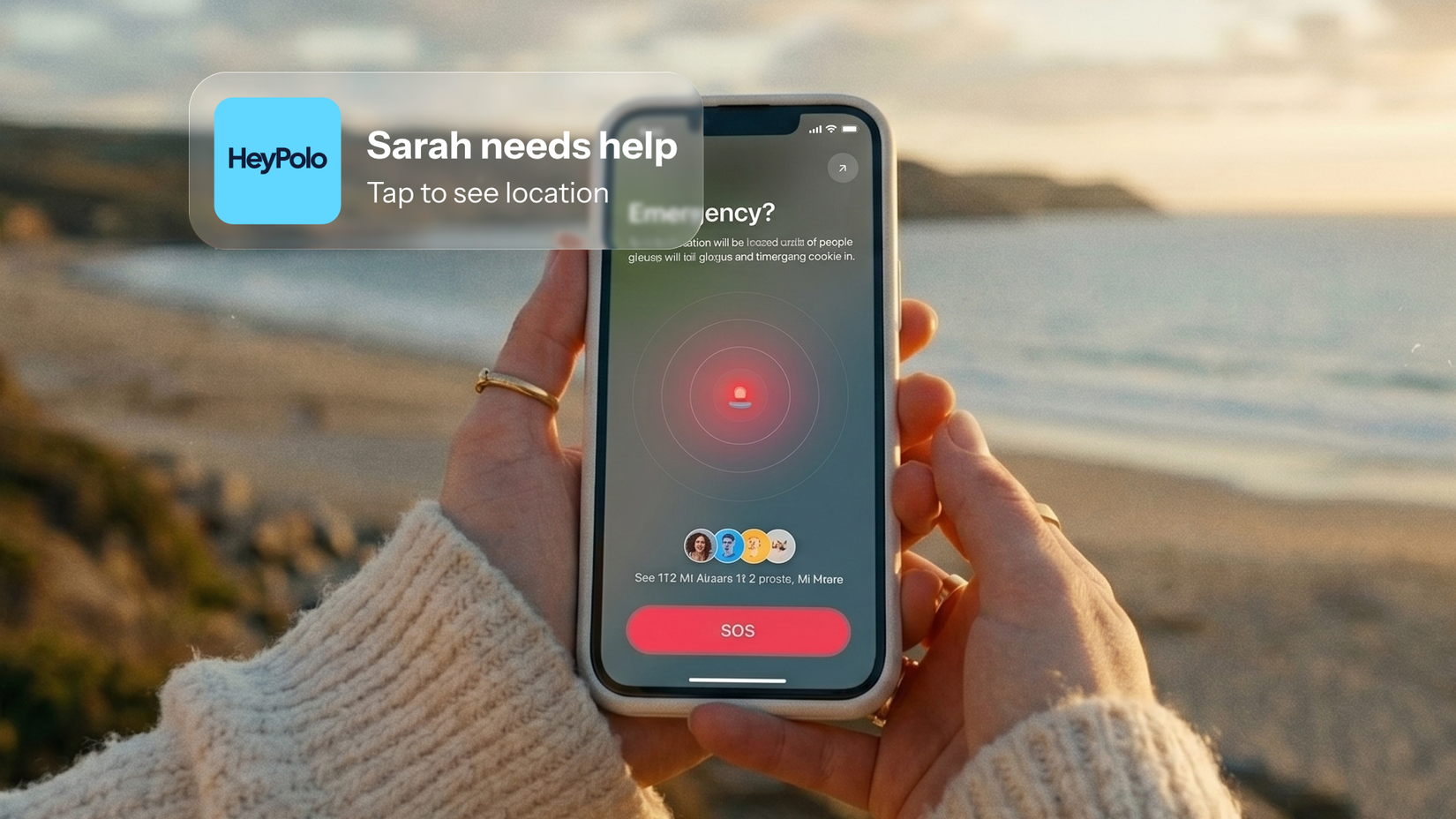
Data safety and privacy are important, sure, but what about physical safety? HeyPolo offers low-battery and SOS alerts. Low-battery alerts notify other users when one family member might not be reachable.
SOS alerts, on the other hand, are emergency notifications that you can send through the app and are a big part of driving safety. These alerts share your location with an entire family group. If you find yourself in an area you’re unfamiliar with, get into an accident, or just feel unsafe, an SOS alert can be invaluable. The alerts have five-minute accuracy and only go out to the group you send them to and no one else.
You can even set up HeyPolo to provide accurate, official weather warnings from high-authority sources like the national weather service. These alerts come as soon as they’re published, and just like every HeyPolo feature, sharing is completely controlled by the user.
Driving safety is a priority
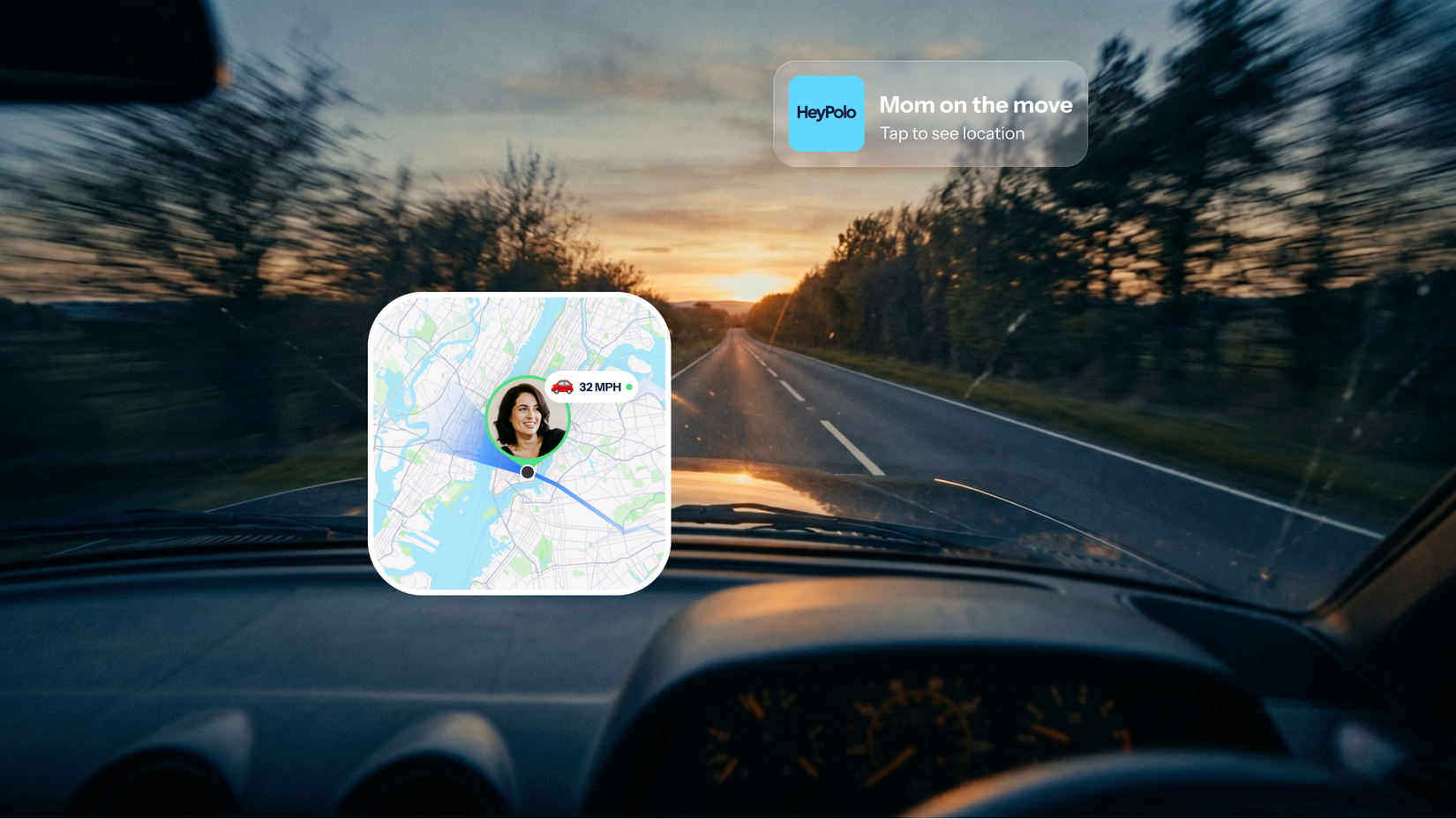
Speaking of safety, you can’t discuss family safety and location-sharing apps without at least mentioning driving. HeyPolo recently rolled out a Driving Safety Suite for the app.
Younger drivers need to learn to develop good driving habits. An app like HeyPolo can help them become safer and more aware of their surroundings when they’re on the road. Crash detection uses GPS and motion sensors to provide information in real time should an incident occur.
The new driving suite watches for speed, braking, rapid acceleration, and can flag when a phone is unlocked during a drive. At the end of the drive, the new driving features assign a driving score with specific events marked on a map.
And since it works on Android and iPhone, it’s easier than ever to monitor family driving for risky or outright dangerous behavior.
A location-sharing app that makes sense for a privacy-conscious world
Sometimes, the best location-sharing apps are ones that don’t sell data or invade privacy by selling personal information to insurers, data brokers, or marketers. HeyPolo was built by the Surfshark team and takes privacy and safety very seriously. The HeyPolo app is available on Google Play and Apple’s App Store now.
