


Aside from the Apple versus Android debate, smartphone brands have traditionally won or lost consumers on price. Flagship phones are purchased by those who can afford them; budget handsets by those who don’t care about the latest features, and everyone else sits somewhere in between.
But according to a recent Allstate Protection Plans Mobile Survey, the attitudes towards how people buy and own smartphones have changed dramatically in recent years.
Article continues below
Take note, Apple and Samsung
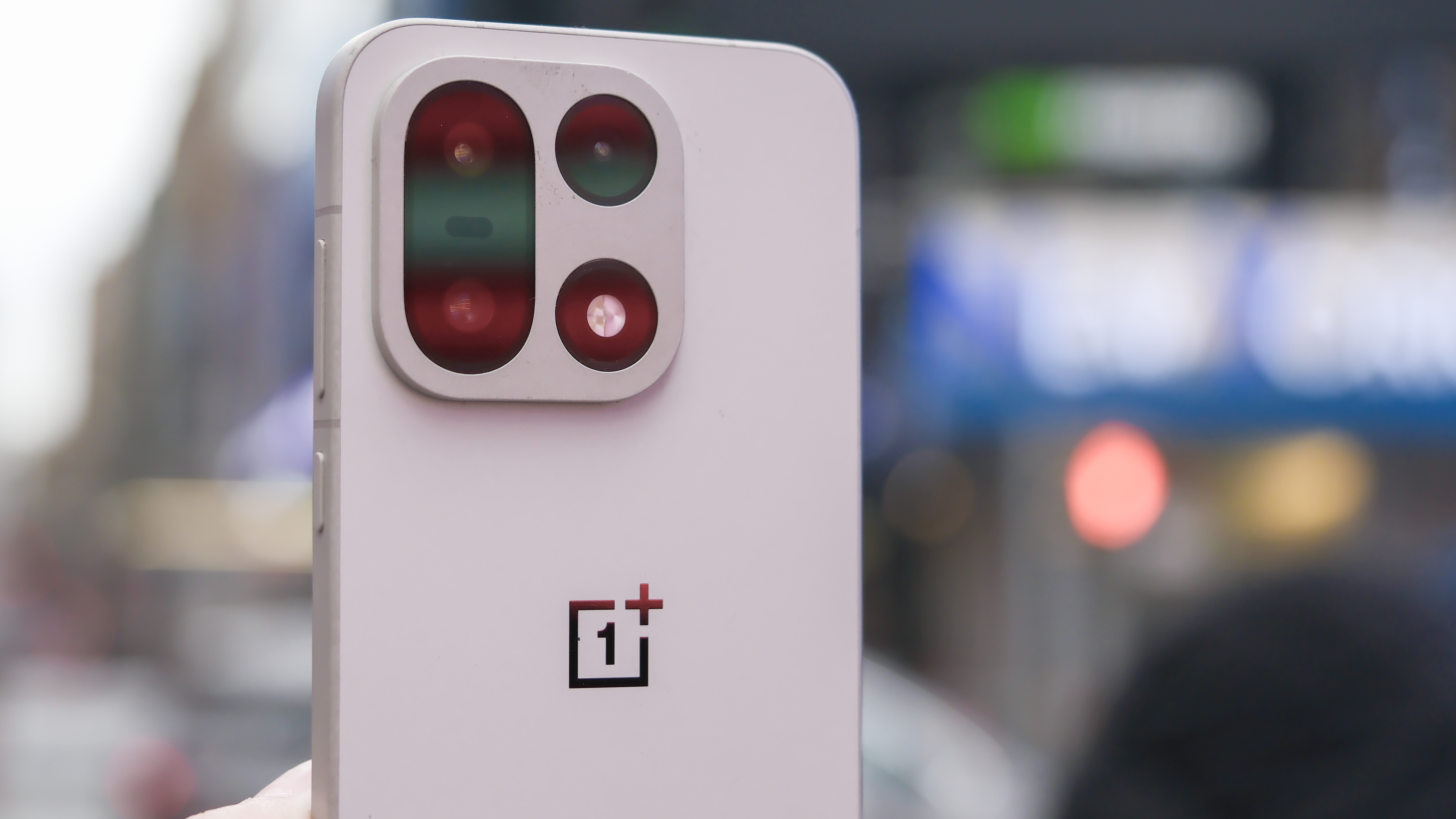
This desire for longer-lasting and higher-performing batteries is reflected in the fact that consumers are no longer chasing the latest devices. The survey found that, rather than upgrading to the latest phone every year, consumers are now stretching out the time between upgrades.
The stats show that 27% upgrade every two years, 23% make the change after three or four years, and 21% delay upgrading until their phone breaks. The days of smartphone manufacturers being able to count on peak sales with each new flagship release are well and truly over.
This shift towards valuing battery performance could prove problematic for global leaders Apple and Samsung. With both brands yet to embrace silicon-carbon technology, they might end up getting left behind by their Chinese counterparts.
Apple’s and Samsung’s latest phone releases are a case in point. The Samsung Galaxy S26 Ultra has a battery capacity of 5,000 mAh, and the cell inside the Apple iPhone 17 Pro Max is only a little bigger at 5,088 mAh. Neither phone is an endurance slouch, but to put things in perspective, the Oppo Find X9 Pro eclipses both with its 7,500mAh battery, and the OnePlus 15 — which packs a similarly huge 7,300mAh battery — lasted for almost three days in our testing.
Admittedly, Samsung does have plans to implement silicon-carbon battery technology in the near future. “We are getting it ready,” the company explained ahead of Galaxy Unpacked 2026, with executive Sung-Hoon Moon revealing that the technology is yet to pass Samsung’s “very rigorous validation standards.” Moon did, however, admit that Samsung may have been “a bit un-innovative on that front.”
Might the Samsung Galaxy S27 Ultra come with a silicon-carbon battery? If those aforementioned survey findings are anything to go by, it’s the biggest upgrade consumers are hoping for.
Camera quality is still important
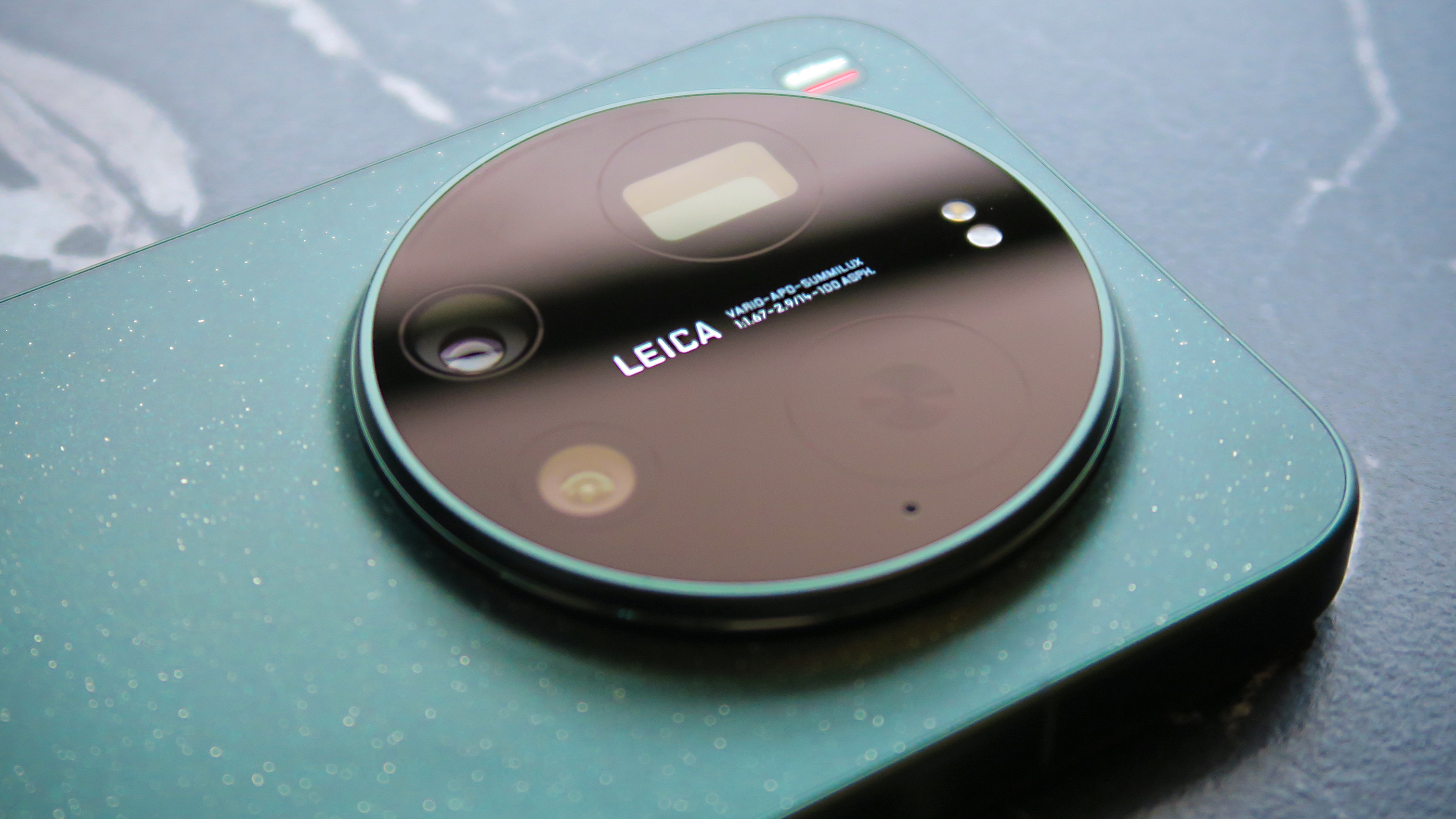
Aside from battery performance and price, the third most important factor influencing purchasing decisions is a phone’s camera quality.
Mind you, camera performance is an area that all phone manufacturers are already delivering on in abundance. 50MP resolution cameras are the norm in most smartphones these days, and ultra-flagship models are pushing the limits of what’s possible in terms of optics, resolution, zoom, and post-processing.
Take the soon-to-be-released Oppo Find X9 Ultra, for example. This flagship is at the forefront of camera technology, with many believing that its five-prism lens technology could mark the beginning of the end for compact cameras.
Then there’s the recently released Xiaomi 17 Ultra, which harnesses Leica technology to push the boundaries of photo and video capture within a smartphone. Boasting a massive 1-inch type main sensor (the largest physically possible in a phone) and a 200MP periscope telephoto lens, Xiaomi’s latest phone promises to be the king of camera smartphones for another year.
Environmental concerns
According to the survey, there is also a growing interest in the environmental impact of tech products, but this doesn’t appear to be filtering through into surging sales of refurbished devices, which would be the most logical outworking of this trend.
Despite 65% agreeing that refurbished electronics are economical and sustainable, only 18% have gone on to purchase a refurbished phone. Those conducting the survey conclude that “consumers support the idea of purchasing used/refurbished devices but struggle to trust them.”
Despite not always acting on their green conscience, people are “increasingly rewarding brands that take visible responsibility for their devices’ footprint.” Around a third of people said that their purchasing decisions would be influenced by whether brands chose to use recycled plastics and recycled glass in their smartphones.
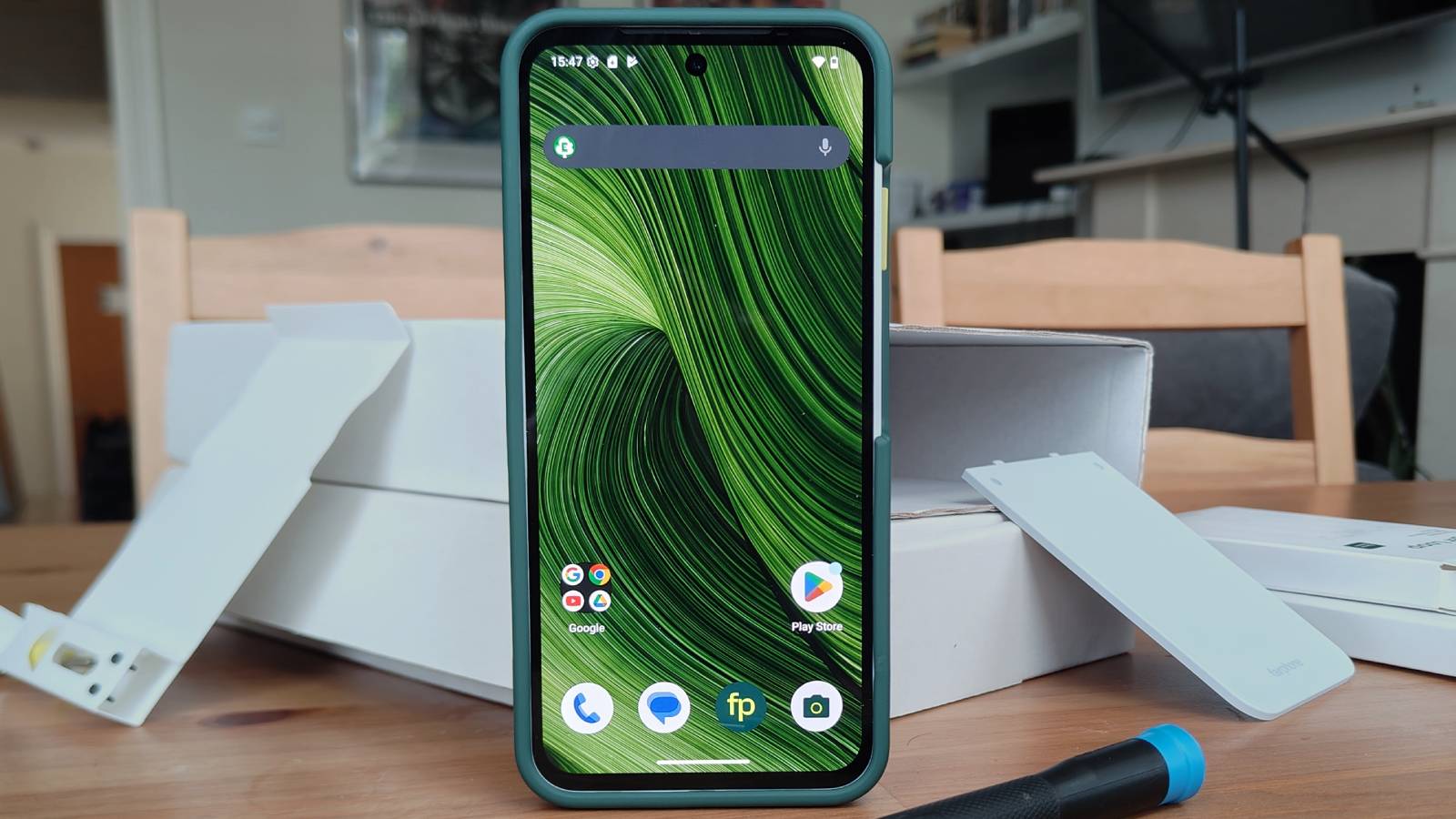
It’s important for brands to not just be seen to be doing the right thing but to follow through on delivering meaningful environmental changes. The Fairphone 6 is a perfect example of this philosophy, and other manufacturers should take note.
Which manufacturer will pull ahead?
The future of the smartphone industry is being fought on a number of different fronts, and it’ll be interesting to see which brands stay in the fight the longest.
Apple and Samsung need to up their game on the battery side of things, and if AI becomes a greater factor in consumers’ purchasing decisions, then the iPhone maker has a lot of catching up to do in that arena, too.
Of course, Apple has proven in recent years that well-designed hardware is still enough to keep hold of its vast user base (the iPhone Air notwithstanding, the iPhone 17 series is extremely popular). But consumer loyalty will only go so far if iPhones continue to fall behind the competition in terms of longevity and software capability.
Whatever happens, smartphone brands would do well to listen to their customers and act accordingly.
Follow TechRadar on Google News and add us as a preferred source to get our expert news, reviews, and opinion in your feeds. Make sure to click the Follow button!
And of course you can also follow TechRadar on TikTok for news, reviews, unboxings in video form, and get regular updates from us on WhatsApp too.
