

China’s leading smartphone maker Oppo has said it aims to double sales of its premium smartphones in Europe in 2027, with the global handset industry having to push its high-end products as volumes suffer from the unprecedented shortages and high prices of components.
The world’s fourth largest smartphone maker unveiled its latest premium Find X10 lineup on October 21 at an event in Mallorca, Spain, a key market where the company sees strong growth potential. The Find X10 Pro Max, its most advanced model in the flagship series, is powered by MediaTek’s latest premium chip, the Dimensity 9600 Pro, manufactured using Taiwan Semiconductor Manufacturing Company’s cutting-edge two-nanometer process technology—the same node used for Apple’s latest iPhone 18 Pro and iPhone Duo.
Find sales have grown fourfold in Europe in 2026 compared with the previous year, according to the company. In some markets, such as the UK, the Find series now accounts for nearly 50% of Oppo’s total shipments. Over the past two years, premium smartphones, as a share of overall shipments, have doubled year on year, underscoring their growing importance to Oppo’s business.
The Chinese handset maker sees Europe as offering the greatest potential for further premium growth and aims to double sales of its high-end models in the region next year, its overseas CMO Ling Liu told Nikkei Asia. In Latin America, Oppo’s high-end models are doing relatively well, with a market share of nearly 10% in models priced at USD 600 and above, while its overall market share there is about 5.6%, according to US research firm Omdia.
Oppo has said it ranks second in the overall smartphone market in Southeast Asia and holds the top spot in some countries, including Malaysia and Thailand, positions it aims to maintain. Omdia gives it a 15.4% market share in “Greater China,” including Hong Kong.
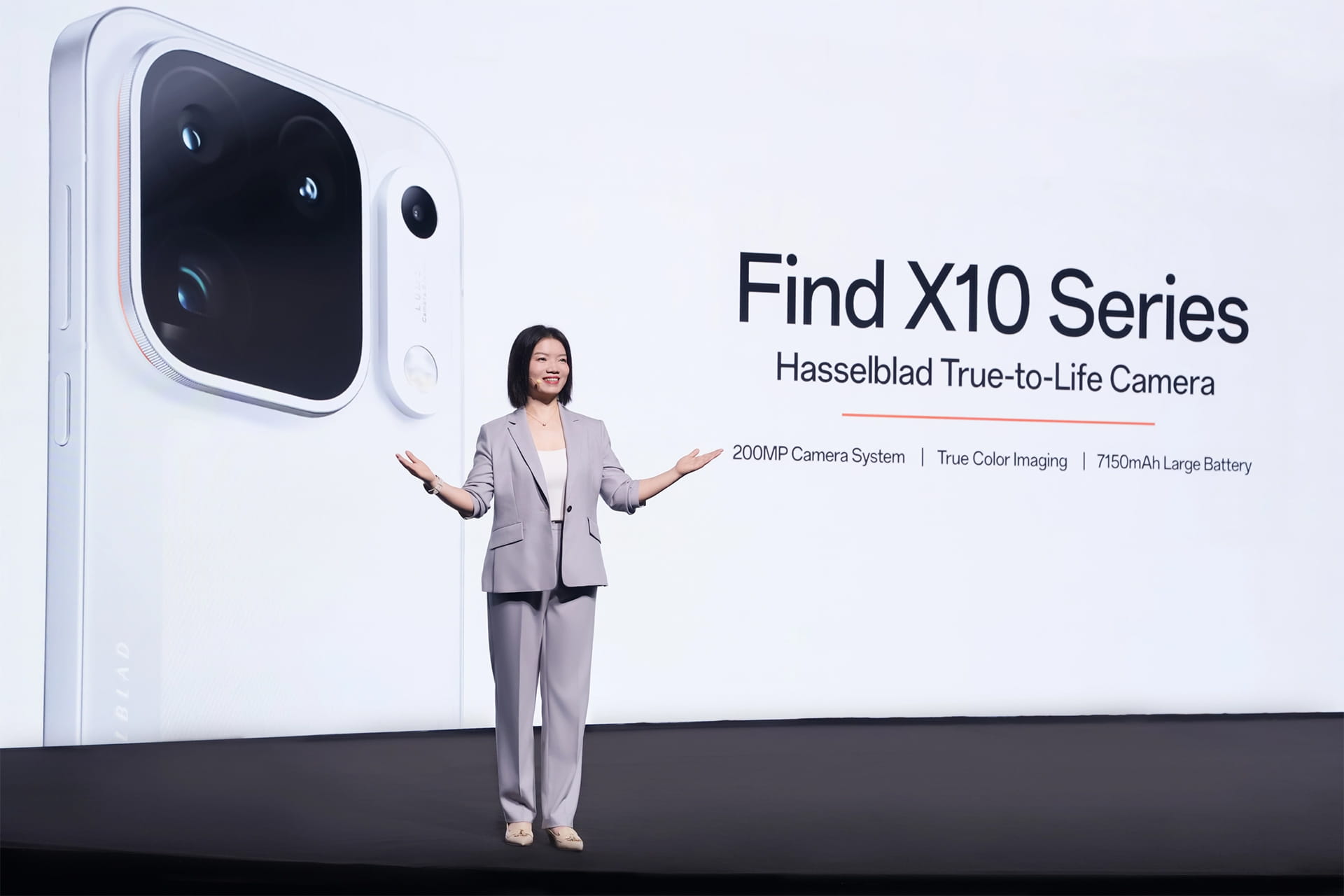
“Rising memory and component costs are adding pressure across the industry, making scale alone less sufficient and increasing the importance of value creation, product differentiation, and sustainable growth,” Liu said.
“Premiumization is not a pricing strategy. It is a value-creation strategy. Find series is our spearhead for premiumization, helping us turn technological innovation into stronger brand equity and sustainable business growth,” Liu said.
“A strong product portfolio is not about winning every price segment with volume, but about delivering the right value to the right consumers,” she added.
An unprecedented global component shortage has hit the entry-level smartphone segment particularly hard. In the first half of 2025, smartphones priced below USD 200 accounted for 41% of global shipments, but that share plunged to 31% in the first half of 2026, according to Omdia data. Meanwhile, the share of shipments for premium smartphones priced above USD 1,000 rose from 13% to 17%, when comparing the same periods.
Liu said Oppo’s global manufacturing footprint had helped strengthen its supply chain resilience. In addition to two production centers in China, the company operates factories in Indonesia, Turkey, Pakistan, Bangladesh, Brazil, and Egypt.
“More than 90% of our overseas factory workforce is hired locally. These centers also showcase our advanced manufacturing capabilities, from modern production lines to precision manufacturing. This gives us the flexibility to respond to local market conditions, strengthen our supply capabilities and build products closer to consumers,” she said.
However, Omdia forecasts total smartphone unit shipments will fall 12% year-on-year in 2026 and drop again in 2027, accelerating a pivot from “volume to value.”
“The smartphone industry is undergoing the most transformational period in its history. Following two years defined by emerging market expansion, premiumization, and generative AI integration, the market has been hit by its worst supply chain bottleneck yet,” Omdia analyst Runar Bjorhovde told reporters at a recent news conference.
“Driven by the ongoing memory crunch, vendors have rapidly shifted their focus from volume growth ambitions towards revenue and profit targets that can boost long-term operational sustainability,” he said.
This article first appeared on Nikkei Asia. It has been republished here as part of 36Kr’s ongoing partnership with Nikkei.
