

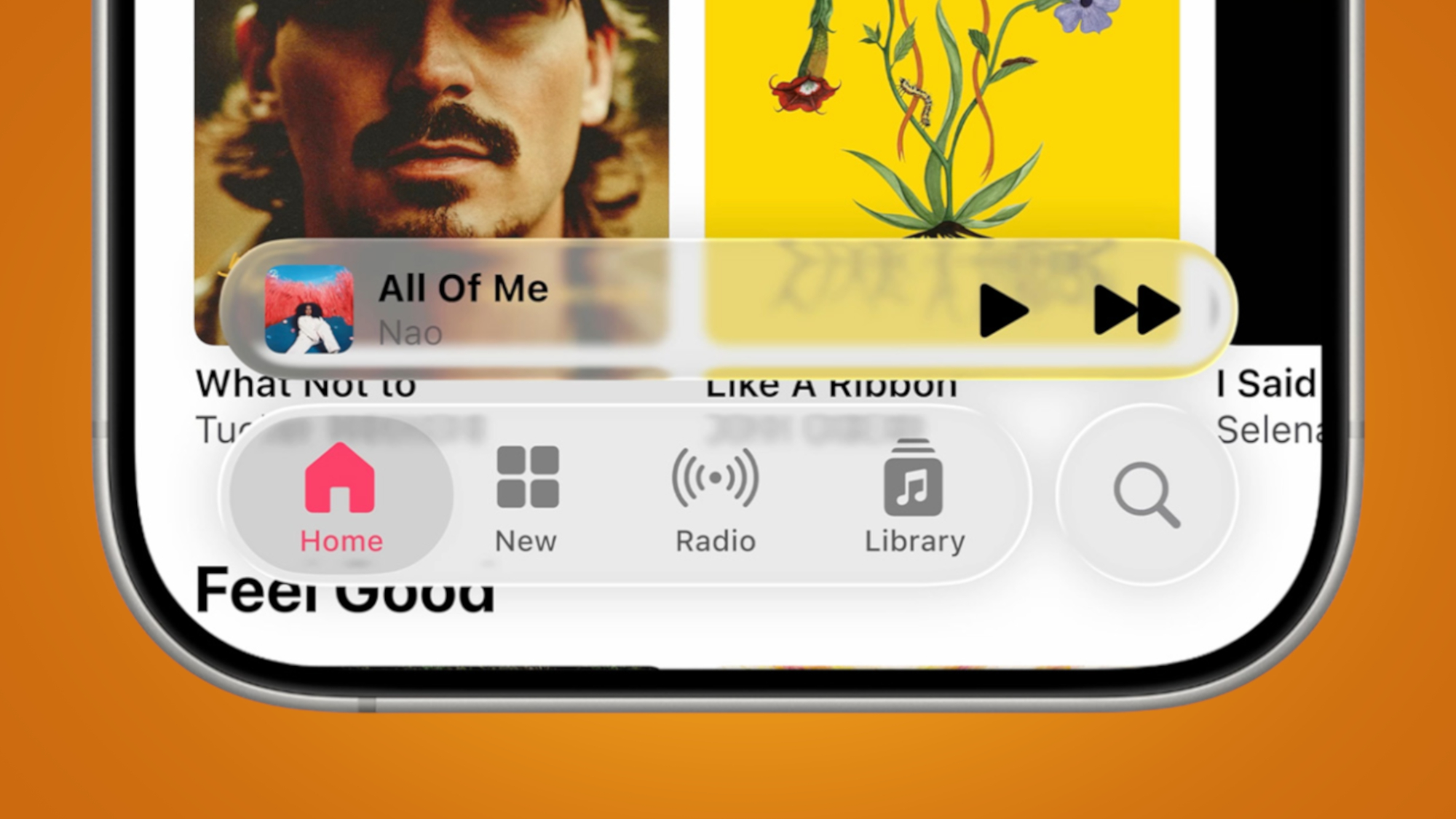
- Liquid Glass will reportedly remain a feature of iOS 27
- Apple is developing a system-wide slider to control its intensity
- iOS 27 will prioritize performance and stability over flashy features
Unless you’re running with an outdated version of iOS on your iPhone, you’ll know that Apple dramatically overhauled the appearance of its operating systems in 2025, and the company’s Liquid Glass interface looks set to remain a feature of iOS 27.
In his latest Power On newsletter, Bloomberg tipster Mark Gurman claimed that Liquid Glass “isn’t going anywhere anytime soon” despite early teething problems surrounding the interface’s readability and the surprise departure of Apple’s top software design brass at the end of last year.
Instead, the company will reportedly focus on performance improvements and stability in iOS 27, as well as the long-awaited overhaul of Siri and its integration with Google Gemini. “There isn’t much time to ditch Liquid Glass even if [Apple] wanted to,” Gurman joked.
Article continues below
There is, however, a silver lining for those who take umbrage with Liquid Glass’ occasionally unreadable widgets, menus, and app icons: according to Gurman, Apple could introduce a system-wide slider that allows users to finely control the intensity of Liquid Glass in iOS 27.
Apple was able to implement such a feature for the clock on the Lock Screen during the development of iOS 26, but “ran into engineering challenges when trying to extend it across the entire system.”
If the company can figure out a way to make this intensity slider apply to elements like app folders, app icons, and navigation bars simultaneously, then iPhone users will have much more control over the appearance of Liquid Glass across their iPhone.
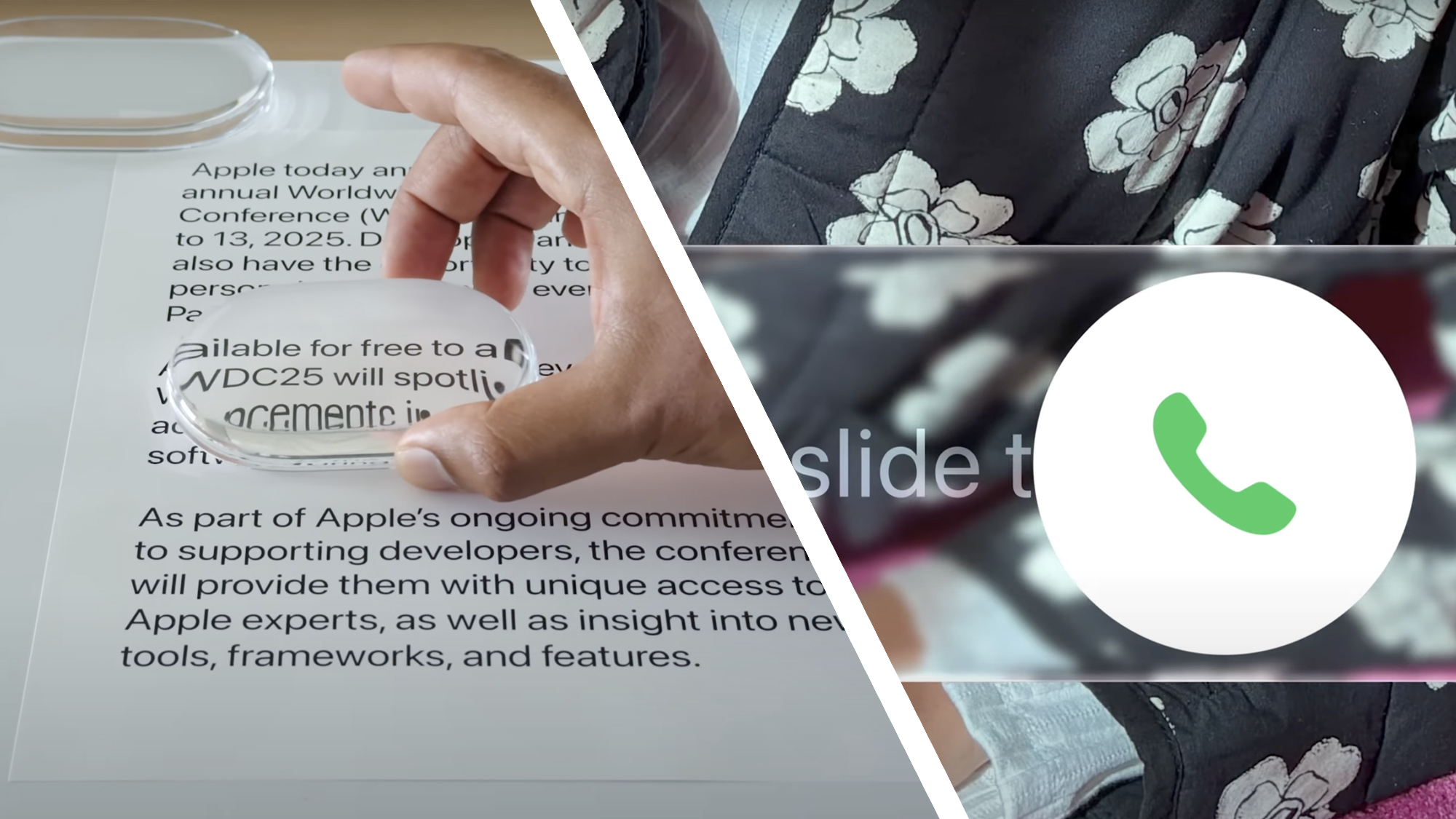
Of course, users do already have several Liquid Glass-altering settings at their disposal, including ‘Increase Contrast’, which makes interface elements more defined, and ‘Reduce Transparency’, which — surprise! — removes almost all the translucency from iOS 26.
Apple’s upcoming iOS 26.4 update will also add the option to disable Liquid Glass highlights, so the company is clearly aware that its new translucent interface — at least in its default state — isn’t working for everyone. A system-wide slider, though, seems like an upgrade on all three of those settings.
In iOS 27, then, Apple sounds like it’ll be doubling down on Liquid Glass customization while prioritizing under-the-hood stability, Mac OS X Snow Leopard-style. And, in truth, we’re more than happy for the company to focus on experience-improving bug fixes over experience-altering design changes this year.
Apple is expected to announce iOS 27 at WWDC 2026 in June, with the new operating system set to debut in the iPhone 18 Pro line in September.
Follow TechRadar on Google News and add us as a preferred source to get our expert news, reviews, and opinion in your feeds. Make sure to click the Follow button!
And of course you can also follow TechRadar on TikTok for news, reviews, unboxings in video form, and get regular updates from us on WhatsApp too.
